
The right hiking backpack keeps essentials organized, comfortable, and protected without adding unnecessary weight. This roundup compares 10 options ranging from compact foldable daypacks to larger framed packs for multi-day trips.
Use the buying guide below to match capacity, support, weather protection, and features to the way you actually hike.
Best 10 Hiking Backpacks Picks for 2026
Best Lightweight Capacity

- 40L capacity with multiple pockets and a wet compartment
- Includes a rain cover and water-resistant rip-stop nylon
- Breathable padding, trekking-pole storage, and hydration routing
Best For: Day hikes, travel, camping, and fishing
Best Tactical Organization
45L Military Tactical Hiking Backpack

- 45L capacity with five compartments and multiple pockets
- MOLLE system supports add-on pouches and accessories
- Padded ventilation, compression straps, and water-resistant fabric
Best For: Tactical-style hiking, camping, travel, and three-day packing
Best for Backpacking Trips
Teton 65L Explorer Internal Frame Pack

- 65L internal-frame design for extended trips
- Adjustable torso, lumbar padding, and airflow channels
- Sleeping bag compartment and rainfly included
Best For: Camping and extended hikes for beginners or experienced backpackers
Best Packable Option
MIYCOO 35L Ultralight Hiking Daypack

- 12.8-ounce pack folds into its inner pocket
- 35L capacity with wet-item separation
- Water-resistant fabric and upgraded stress points
Best For: Travelers, day hikers, cyclists, and compact backup storage
Best Large-Capacity Pick
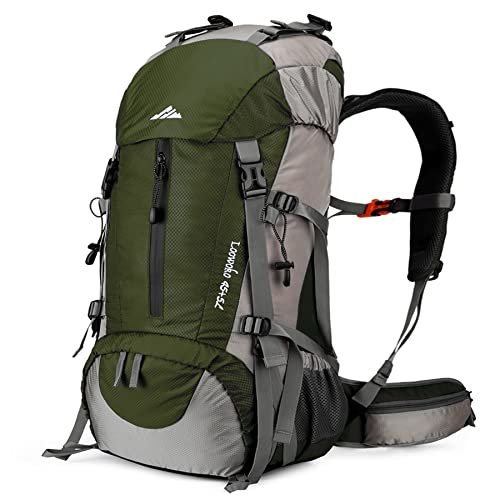
- 50L capacity for multi-day outings
- Rain cover included for added weather protection
- Six pockets plus gear attachment points
Best For: 3–5 day hikes, camping, and backpacking
Best for Everyday Use
15L Ultralight Hiking Backpack

- Weighs just 0.76 pounds
- Folds into a compact travel pouch
- Ten pockets for organized essentials
Best For: Short hikes, travel, commuting, and backup carry
Best Hydration Daypack
Osprey Sportlite 20L Hiking Backpack

- Includes a 2.5L hydration reservoir
- Ventilated AirScape backpanel
- Trekking-pole carry and padded hip wings
Best For: Hydrated day hikes and active excursions
Best Lightweight Pick
G4Free 20L Packable Hiking Backpack
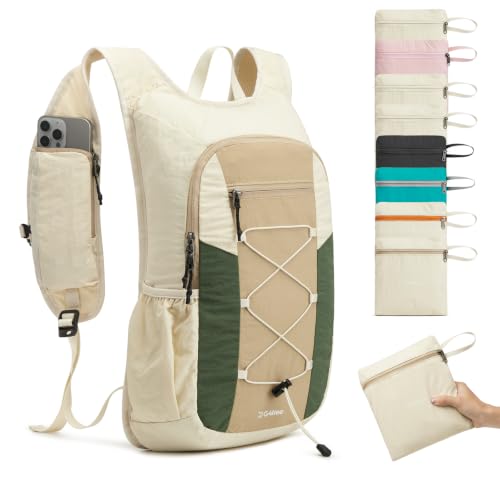
- 0.64-pound packable design
- Water-repellent nylon construction
- Phone and snack pockets on shoulder straps
Best For: Lightweight day hikes and travel backup use
Best High-Capacity Option
IGOLUMON 40L Packable Hiking Backpack

- Generous 40L multi-compartment storage
- Separate waterproof wet pocket
- Straps for poles, tents, and sleeping mats
Best For: Camping, longer day hikes, and gear-heavy travel
Best Compact Colorful Pick
15L Small Packable Hiking Backpack

- 13.4-ounce foldable design
- Quick-access phone and drawstring strap pockets
- Reflective strips and adjustable chest strap
Best For: Short hikes, cycling, commuting, and travel
Best Lightweight Capacity – Maelstrom 40L Hiking Backpack
For hikers who want substantial storage without a heavy-feeling pack, the Maelstrom 40L is a practical choice among hiking backpacks. Its rip-stop nylon construction, included rain cover, padded airflow-focused harness, and multiple storage zones make it suitable for day hikes, travel, camping, and fishing.
Best For: Hikers needing versatile 40L storage, organization, and weather protection for day trips or travel.
Pros:
- Includes a rain cover and uses water-resistant, tear-resistant rip-stop nylon.
- Offers a roomy main compartment, wet pocket, waist pockets, front pockets, and mesh side pockets.
- Padded, breathable shoulder straps and back support help reduce fatigue.
- Includes trekking-pole attachments, hydration-system routing, reflective details, and a whistle chest buckle.
Cons:
- The listed design has one main compartment, so organization depends heavily on its additional pockets.
- Hand-wash care may require more maintenance than wipe-clean packs.
The Maelstrom balances capacity, organization, and comfort in a lightweight hiking backpack. It is especially appealing when you want rain coverage and outdoor-focused features without moving to a larger framed pack.
Best Tactical Organization – 45L Military Tactical Hiking Backpack
This 45L tactical pack suits shoppers who prefer rugged materials, modular attachment points, and structured organization in their hiking backpacks. Its 900D Oxford nylon shell, compression system, padded back, and MOLLE webbing support hiking, camping, travel, and three-day-style packing.
Best For: Outdoor users who want a tactical-style pack with MOLLE customization and room for extended day trips.
Pros:
- 45L capacity with multiple compartments, interior pockets, mesh pockets, and a side bottle holder.
- MOLLE attachment points allow add-on pouches and accessories.
- Heavy-duty zippers, double stitching, and water-resistant 900D Oxford nylon support outdoor use.
- Ventilated padded back and shoulder straps improve carrying comfort.
Cons:
- At 1.3 kg, it is heavier than an ultralight pack of similar capacity.
- Its military styling and MOLLE system may be more gear-focused than some casual hikers need.
- It is water repellent rather than described as fully waterproof.
The tactical layout makes this pack a strong option for hikers who value expandability and durable construction. Choose it over a minimalist daypack if external attachment points and 45L storage are priorities.
Best for Backpacking Trips – Teton 65L Explorer Internal Frame Pack
For longer outings that require more gear, the Teton 65L Explorer is a full-size internal-frame option among hiking backpacks. It combines adjustable torso positioning, lumbar cushioning, compression straps, a sleeping bag compartment, hydration compatibility, and an included rainfly.
Best For: Beginner or experienced backpackers who need 65L of organized storage for camping and extended hikes.
Pros:
- 65L capacity provides room for clothing, camping equipment, and other extended-trip essentials.
- Multi-position torso adjustment accommodates medium and taller adventurers.
- Open-cell foam lumbar padding and molded airflow channels support comfort.
- Includes a sleeping bag compartment, compression straps, hydration pocket, and rainfly.
Cons:
- The five-pound weight is considerably heavier than lightweight daypacks.
- Its 65L size may be excessive for short hikes or minimalist packing.
- The listed water protection is water resistant, with rain coverage provided by the included rainfly.
The Explorer is built for carrying more equipment and adjusting the fit for longer adventures. Its internal frame and comfort features make it a better match for backpacking trips than quick day hikes.
Best Packable Option – MIYCOO 35L Ultralight Hiking Daypack
The MIYCOO 35L is designed for travelers and hikers who need a large-capacity pack that stores compactly when not in use. Weighing 12.8 ounces, it folds into its inner pocket and adds practical features such as a wet compartment, water-resistant fabric, zipper clips, and a survival whistle.
Best For: Travelers and hikers who want an ultralight backup pack for light rain, day trips, cycling, or extra shopping capacity.
Pros:
- Ultralight 12.8-ounce construction folds into a compact inner pocket.
- 35L capacity and three main compartments provide useful storage for day trips.
- Wet compartment separates damp items from dry gear.
- Upgraded zippers, reinforced stress points, zipper clips, and a shoulder-strap whistle add practical utility.
Cons:
- Its IPX4 water resistance is intended for splashes and light rain, not full waterproofing.
- The lightweight packable design may provide less structure than a framed hiking backpack.
- It has fewer capacity and support features than the larger internal-frame option in this roundup.
The MIYCOO stands out when portability matters most. Keep it folded in luggage, then deploy it as a 35L hiking backpack for day outings or extra carrying space during travel.
Best Large-Capacity Pick – Loowoko 50L Hiking Backpack
For multi-day trips, this 50L option is one of the more spacious hiking backpacks in the roundup. Its lightweight construction, included rain cover, multiple compartments, and attachment points make it practical for carrying camping and trekking gear.
Best For: 3–5 day hikes, camping trips, backpacking, and travelers who need substantial storage.
Pros:
- 50-liter capacity with a 2.1-pound listed weight.
- Includes a waterproof rain cover to help protect gear from heavy rain and dust.
- Large main compartment, shoe separator, six external pockets, compression straps, and gear attachment points.
- Padded, breathable shoulder straps and back support are designed to improve carrying comfort.
Cons:
- The pack has no internal frame.
- Its larger capacity may be more than needed for short day hikes.
Choose the Loowoko when carrying capacity and organization matter more than a compact profile. The no-frame design helps keep weight down, while the included cover adds useful weather protection.
Best for Everyday Use – 15L Ultralight Hiking Backpack
This compact 15L pack is a practical choice when portability is the priority. Among these hiking backpacks, it stands out for weighing just 0.76 pounds, folding into a small pouch, and offering organized storage for day trips and everyday errands.
Best For: Lightweight day hikes, travel, gym use, city exploration, and carrying as a secondary pack.
Pros:
- Weighs 0.76 pounds and folds to approximately 7.48 by 7.87 inches.
- Water-resistant polyester and reinforced zippers help handle light rain.
- Ten pockets, including a back anti-theft pocket, phone pocket, mesh pockets, and interior compartments.
- The 15L main compartment can fit a 13-inch laptop, tablet, clothing, and smaller gear.
Cons:
- 15L capacity is limited for overnight or multi-day packing.
- The fabric is described as water-resistant rather than fully waterproof.
This is a sensible grab-and-go pack for travelers and day hikers who want minimal bulk. Its foldable design makes it especially useful as a backup bag, though its smaller capacity limits heavier gear loads.
Best Hydration Daypack – Osprey Sportlite 20L Hiking Backpack
The Osprey Sportlite is a streamlined option for hikers who want hydration built into their daypack. It combines a 20L capacity with an included 2.5L reservoir, a ventilated AirScape backpanel, and trekking-pole carry features.
Best For: Day hikes, excursions, and active travelers who want on-the-go water storage.
Pros:
- Includes a 2.5L Hydraulics LS reservoir for drinking on the move.
- Lightweight 1.31-pound pack weight without the reservoir.
- AirScape backpanel uses cushioned foam and airflow channels for ventilation.
- Features a sternum-strap safety whistle, padded hip wings, stretch side pockets, and trekking-pole carry points.
Cons:
- The 20L capacity is intended for day trips rather than multi-day loads.
- The product notes list the reservoir as sold separately in one feature description, despite also specifying an included reservoir; verify the current package contents.
For day hikers who prioritize convenient hydration and a close-to-body fit, the Sportlite offers a focused feature set without excessive bulk. Its organized pockets and pole-carry system add useful trail functionality.
Best Lightweight Pick – G4Free 20L Packable Hiking Backpack
For hikers who prioritize low weight and easy storage, the G4Free 20L is a compact option among hiking backpacks. It weighs just 0.64 pounds, folds into its own pocket, and provides useful organization for day hikes, travel, cycling, and everyday errands.
Best For: Lightweight day hiking, travel backup use, and commuters who need a packable bag.
Pros:
- Folds into its own inner pocket and fits in luggage, a larger backpack, or a car.
- Water-repellent Taslan nylon helps handle light rain and abrasion.
- Includes a 20L main compartment, multiple pockets, side pockets, and a front bungee cord.
- Shoulder-strap phone and snack pockets keep small essentials accessible.
Cons:
- The 20L capacity is better suited to day trips than gear-heavy outings.
- The lightweight construction may provide less structure than a larger trekking pack.
The G4Free is a practical choice when portability matters more than maximum capacity. Its compact folded size and accessible strap storage make it especially convenient for travel and shorter outdoor excursions.
Best High-Capacity Option – IGOLUMON 40L Packable Hiking Backpack
The IGOLUMON 40L stands out among hiking backpacks for carrying more equipment without giving up a foldable design. Its multiple compartments, wet pocket, attachment points, and padded straps make it suitable for longer day outings, camping, and travel.
Best For: Hikers and campers who need generous storage, wet-dry separation, and external gear-carrying options.
Pros:
- Large 40L capacity with a main compartment, front pockets, side pockets, and utility storage.
- Separate waterproof wet pocket helps isolate sweaty clothing, towels, or other damp items.
- Padded mesh shoulder straps and an adjustable chest buckle help distribute the load.
- Side and bottom straps can accommodate trekking poles, tents, sleeping mats, and other gear.
Cons:
- Its larger dimensions may be more pack than needed for short, minimalist hikes.
- Hand washing is recommended, which may require more care than machine-washable packs.
Choose the IGOLUMON when capacity and organization are priorities. The foldable one-pound design adds travel flexibility, while the wet pocket and gear straps make it more versatile for active outings.
Best Compact Colorful Pick – 15L Small Packable Hiking Backpack
The 15L Small Hiking Backpack is a compact choice for shoppers seeking colorful hiking backpacks with organized storage. It folds for travel, weighs 13.4 ounces, and adds convenient strap pockets, reflective details, and multiple compartments for short adventures or daily use.
Best For: Short hikes, cycling, commuting, and travelers who want a small foldable daypack.
Pros:
- Lightweight 15L design folds into a compact shape for luggage or car storage.
- Zippered phone pocket and drawstring pocket on the shoulder straps provide quick access.
- Two main compartments, an expandable front pocket, hidden back pocket, and mesh side pockets aid organization.
- Chest strap and reflective strips support a secure fit and improved visibility at night.
Cons:
- The 15L capacity limits how much clothing, food, or equipment it can carry.
- The water-resistant material is not presented as fully waterproof.
This pack is a good fit for lighter loads and users who value convenience and style. Its foldable format, accessible strap storage, and reflective accents make it useful beyond the trail as well.
How We Picked These Hiking Backpacks
We selected these Hiking Backpacks across several common use cases, including short day hikes, travel, camping, hydration-focused outings, and longer backpacking trips. We considered capacity, portability, carrying support, weather protection, organization, and useful extras such as rain covers, hydration compatibility, and MOLLE attachment points.
Because no single pack suits every trail, the list includes compact 15L and 20L models, versatile 35L to 45L daypacks, and larger 50L to 65L internal-frame options. The goal is to make it easier to compare pack size and design before you buy.
Quick Comparison
- Short hikes and everyday carry: Choose a 15L to 20L pack for water, snacks, a light layer, and small essentials.
- Flexible day hiking: A 35L to 45L pack offers room for extra clothing, food, safety gear, and compact camping equipment.
- Overnight or multi-day trips: Look at 50L to 65L models, particularly those with an internal frame and adjustable suspension.
- Travel and backup use: Packable designs fold down easily and work well as secondary luggage or emergency daypacks.
Key Buying Factors for Hiking Backpacks
Capacity and Pack Weight
Choose capacity based on your gear, not just the length of the trail. A small pack is more comfortable when you pack lightly, while a larger model is useful for bulky layers, cooking equipment, or overnight supplies. An ultralight design can reduce fatigue, but make sure its fabric and straps suit your expected use.
Fit and Carrying Support
For heavier loads, prioritize padded shoulder straps, a supportive hip belt, load adjustment straps, and—ideally—an internal frame. A lightweight frameless pack may be adequate for short outings, but it can become uncomfortable when heavily loaded. Look for breathable back panels if you hike in warm conditions.
Weather Protection and Organization
Water-resistant fabric helps with light moisture, but a built-in rain cover provides more dependable protection during changing weather. Multiple compartments make it easier to separate wet layers, snacks, electronics, and safety equipment. External pockets are convenient, but avoid overloading them and throwing off the pack’s balance.
Hydration and Practical Features
A hydration reservoir sleeve or dedicated bottle pockets can make it easier to drink while moving. Reflective details, compression straps, trekking-pole loops, and attachment systems are useful extras when they match your routine. Packable models are especially convenient for travel, but they may offer less structure and padding.
Who Should Buy Which Hiking Backpacks?
Day hikers and commuters should focus on the 15L to 20L options for a compact, lightweight load. Travelers may prefer a foldable 20L or 35L pack that stores easily inside a suitcase. Casual campers and prepared day hikers will generally get more versatility from a 40L to 45L model with a rain cover.
Backpackers carrying substantial equipment should consider the 50L or 65L internal-frame packs, especially when comfort and load distribution matter more than minimal weight. If hydration is central to your outings, choose a design with reservoir support and easy-access water storage. Before ordering, confirm the listed dimensions, fit adjustments, included rain cover, and return policy.