
The right backpack makes a first hike more comfortable, organized, and enjoyable. These beginner-friendly options cover lightweight daypacks, hydration packs, and larger models for overnight trips.
We selected practical packs across several capacities and use cases, so you can match storage, comfort, weather protection, and water-carrying needs to the trails you plan to explore.
Best 10 Hiking Backpacks for Beginners Picks for 2026
Best Lightweight Starter

- Lightweight 20L capacity for day trips
- Includes a foldable rain cover
- Padded adjustable straps and multiple compartments
Best For: Slim-to-medium users taking short hikes, commutes, or weekend day trips
Best Hydration-Focused Pick

- Includes a 2L BPA-free water bladder
- Insulated pocket supports colder drinks
- Five pockets for water and small essentials
Best For: Short hikes, runs, and rides where hands-free hydration is the priority
Best for Multi-Day Trips
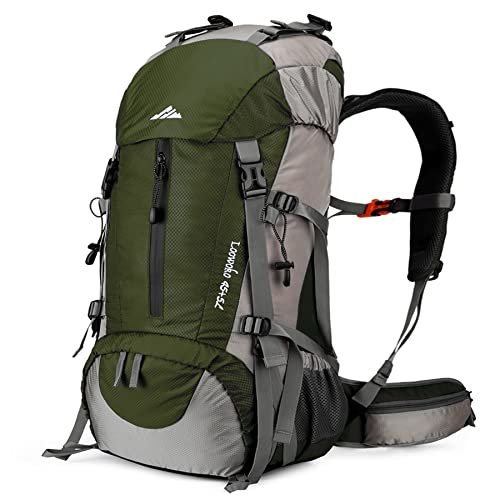
- 50L capacity for three-to-five-day adventures
- Includes a bottom-stowed waterproof rain cover
- Multiple pockets, straps, and gear attachment points
Best For: Beginner backpackers carrying camping gear on extended trips
Best Ultralight Hydration Option
12L Running Backpack with 2L Bladder

- Ultralight 8.5-ounce listed weight
- Includes a 2L PEVA hydration bladder
- Waterproof nylon with adjustable breathable fit
Best For: Fast hikes, runs, cycling, and other short active outings
Hydration-Focused Versatile Pick

- Hydration sleeve fits up to 3-liter bladders
- Stowable hip belt for adaptable comfort
- Padded laptop compartment fits up to 17 inches
Best For: Trail-to-town use and active daily travel
Lightweight Day-Hike Pick
G4Free 10L/15L Packable Daypack

- Weighs just 0.25 kg
- Folds into its own small pocket
- Multiple pockets plus two side mesh pockets
Best For: Short hikes, travel, and lightweight daily carry
Best Hydration Pick
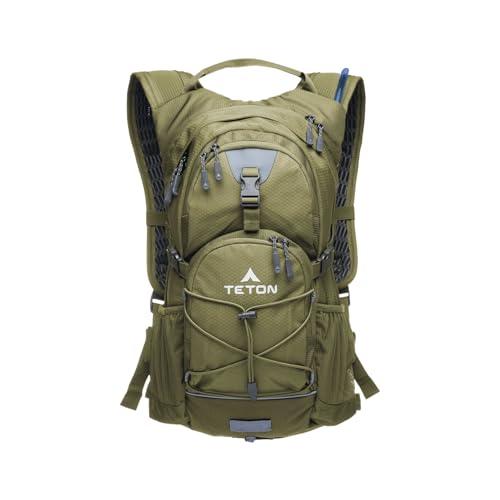
- Includes a 2-liter hydration bladder
- 18L storage with six pockets
- Sewn-in rain cover and adjustable fit
Best For: Day hikers who prioritize easy-access hydration
Best Packable Value

- Lightweight 13.4-ounce packable design
- Five compartments plus quick-access pockets
- Chest strap, whistle, and reflective strips
Best For: Casual hikers and travelers needing a compact daypack
Best for Extended Gear

- Large 50L capacity with seven compartments
- Attachment points for tents and trekking poles
- Includes rain cover and adjustable support straps
Best For: Longer hikes and camping trips with substantial gear
Best Lightweight Starter – 20L Small Hiking Backpack
For beginners comparing hiking backpacks for beginners, this 20L daypack offers a straightforward balance of low weight, everyday organization, and basic weather protection. Its two main compartments, multiple pockets, adjustable straps, and included foldable rain cover suit short hikes, commuting, and day trips.
Best For: Teens and adults with slim-to-medium builds who need a lightweight daypack for short outings.
Pros:
- Lightweight 20L design with a listed weight of 0.52 kg.
- Includes a foldable waterproof rain cover and water-resistant nylon shell.
- Adjustable, padded mesh shoulder straps and a chest buckle help improve carrying comfort.
- Six pockets and five compartments support everyday organization.
Cons:
- Not recommended for broad-shouldered or heavy-build users.
- The 20L capacity is better suited to day trips than extended camping.
- Water resistance is not the same as full waterproofing without using the rain cover.
This is an approachable option for beginners who want one compact pack for light hiking and daily use, provided the fit and modest capacity match their needs.
Best Hydration-Focused Pick – MIYCOO 10L Hydration Backpack
Among hiking backpacks for beginners, the MIYCOO is designed for people who want easy access to water without carrying a separate bottle. It includes a 2L BPA-free bladder, an insulated bladder pocket, breathable straps, and five pockets for small hiking essentials.
Best For: Day hikers, runners, cyclists, and other active users who prioritize hands-free hydration.
Pros:
- Includes a 2L food-grade, BPA-free, odorless hydration bladder.
- Insulated bladder pocket can help keep water cold for up to four hours when used with an ice pack.
- Breathable mesh shoulder straps and adjustable fit are intended to reduce heat and pressure.
- Five pockets include a bladder pocket, front zipper pocket, main pocket, and two shoulder-strap phone pockets.
Cons:
- The 10L capacity is limited compared with traditional hiking backpacks.
- Its compact design may not hold bulkier layers or overnight gear.
- The notes emphasize water-bladder organization rather than a full-size load-carrying system.
The MIYCOO makes sense for beginners planning short, active outings where frequent access to water matters more than maximum storage.
Best for Multi-Day Trips – Loowoko 50L Hiking Backpack
For beginners moving beyond day hikes, the Loowoko provides substantially more room than compact hiking backpacks for beginners. Its 50L capacity, rain cover, large main compartment, shoe separator, external pockets, compression straps, and attachment points are aimed at multi-day outdoor travel.
Best For: Beginners carrying camping or backpacking gear for approximately three to five days.
Pros:
- Large 50L storage volume for clothing, camping supplies, and other extended-trip gear.
- Includes a waterproof rain cover stored in a bottom pouch.
- Six external pockets, a shoe separator, compression straps, and gear attachment points improve organization.
- Padded S-shaped shoulder straps and breathable back support are designed to ease carrying pressure.
Cons:
- The pack has no internal frame, which may provide less structure for heavier loads.
- At about 2.1 pounds, it is heavier than the smaller daypacks in this roundup.
- Its 50L capacity may be excessive for simple day hikes.
This is the most capable choice here for beginners preparing for longer trips, but its frame-free design and larger size make careful packing and fit adjustment especially important.
Best Ultralight Hydration Option – 12L Running Backpack with 2L Bladder
This 12L hydration pack is a practical choice for beginners seeking hiking backpacks for beginners with a very low listed weight. It combines an 8.5-ounce nylon pack with a 2L bladder, adjustable shoulder and chest straps, breathable back mesh, and several small storage zones.
Best For: Fast-moving hikers, runners, and cyclists who want water plus compact storage.
Pros:
- Very lightweight at a listed 8.5 ounces.
- Includes a 2L BPA-free, food-grade PEVA water bladder with a leak-resistant bite valve.
- Adjustable shoulder straps fit 19–34 inches, while the chest strap adjusts 2.4–7.9 inches vertically.
- Waterproof, tear-resistant PU-coated nylon and breathable air-mesh back support active use.
Cons:
- The 12L capacity is intended for essentials rather than bulky hiking equipment.
- Its small-pocket layout may be less suitable for large clothing layers or camping gear.
- The notes list four pockets in the pocket description, while the storage layout includes several small compartments.
Choose this pack when low weight, hydration, and mobility are more important than carrying space; it is particularly well matched to short, active outings.
Roomy Rain-Ready Pick – 40L Waterproof Hiking Backpack
For beginners shopping for hiking backpacks for beginners, this 40L daypack offers generous storage and straightforward organization for multi-day trips. Its water-resistant rip-stop construction and included rain cover add practical protection when conditions change.
Best For: Beginners planning 3- or 4-day trips, camping, travel, and other activities that benefit from extra capacity.
Pros:
- Large 40L capacity with six compartments, a main storage area, interior water-bladder pouch, front pocket, cord storage, and side pockets.
- Includes a rain cover and uses water-resistant, tear-resistant nylon and polyester materials.
- Padded, adjustable shoulder straps, breathable back padding, and reflective shoulder-strap stripes support comfort and visibility.
- Designed to meet the size requirements for most airlines.
Cons:
- Its 40L size may be more capacity than needed for short day hikes.
- The product notes specify water resistance and a rain cover rather than complete waterproofing.
- Hand-wash care is recommended.
This is a practical entry point for beginners who want one versatile pack for longer outings. Choose it when capacity and included rain protection matter more than an especially compact profile.
Hydration-Focused Versatile Pick – 30L Hiking Travel Backpack
Among hiking backpacks for beginners, this 30L model stands out for its hydration sleeve, accessible shoulder-strap pocket, and adaptable hip belt. It also transitions from trail use to commuting with a padded laptop compartment rated for devices up to 17 inches.
Best For: Beginners who want a daypack for hiking, cycling, camping, travel, and everyday laptop-carrying needs.
Pros:
- Dedicated hydration sleeve supports bladders up to 3 liters, with an internal securing strap and tube-routing port.
- Ergonomic hip belt helps distribute weight and can stow away for lighter outings or urban use.
- Shoulder-strap pocket provides quick access to a phone, keys, or cards.
- Lightweight 30L design includes a padded compartment for laptops up to 17 inches.
Cons:
- The water-resistant finish is not described as fully waterproof.
- Its laptop-oriented design may be more functionality than needed for simple hikes.
- The notes do not mention an included hydration bladder.
For a beginner who wants one pack to cover trail and town, this is a flexible choice. Its hydration setup and stowable hip belt provide useful features without moving up to the larger 40L capacity of the first option.
Lightweight Day-Hike Pick – G4Free 10L/15L Packable Daypack
For short outings, beginners comparing hiking backpacks for beginners may prefer this compact G4Free daypack. Weighing just 0.25 kg, it folds into its own small pocket and provides enough organization for essentials, water, and light travel gear.
Best For: Day hikes, walks, cycling, excursions, and travelers who need a lightweight backup pack.
Pros:
- Very light at 0.25 kg and folds into an ultra-compact package.
- Water- and tear-resistant material, reinforced stitching, and an abrasion-resistant SBS metal zipper support durability.
- Includes a main pocket, compartments, front phone pocket, and two large side mesh pockets.
- Breathable, adjustable shoulder straps help with fit during casual outings.
Cons:
- The 10L size is suited to essentials rather than bulky clothing or overnight equipment.
- The supplied notes mention 10L while the title also references 15L, so capacity should be confirmed before purchase.
- It is water resistant, not specified as fully waterproof, and hand-wash care is recommended.
This is the simplest option for beginners who want to keep weight and storage demands low. Its packable design makes it especially useful as a travel daypack or spare bag, but longer hikes call for a larger model.
Best Hydration Pick – Teton Oasis Trailrunner
For beginners comparing hiking backpacks for beginners, the Teton Oasis Trailrunner is a practical choice when easy access to water matters. It includes a 2-liter bladder, insulated bladder pocket, organized storage, and a sewn-in rain cover for day hikes and other active outings.
Best For: Hikers who want integrated hydration and weather-ready storage for day trips.
Pros:
- Includes a 2-liter bladder with a wide opening for adding ice and cleaning.
- Offers 18 liters of storage, six pockets, and a bungee system for a jacket or helmet.
- Adjustable, breathable shoulder straps are designed to fit men, women, and youth.
- Includes a sewn-in rain cover and weather-guarded zippers.
Cons:
- Its 2-pound weight may be more than some minimalist day hikers want.
- The listed capacity is 18 liters, so it may not suit longer trips requiring more gear.
The Oasis Trailrunner stands out for beginners who want hydration handled in one package. Its comfort features and rain protection add convenience, while the moderate capacity keeps it focused on day hikes rather than extended backpacking.
Best Packable Value – 15L Foldable Hiking Backpack
For beginners seeking hiking backpacks for beginners that are easy to carry and store, this 15-liter daypack offers a lightweight, foldable design. Its multiple compartments, shoulder-strap pockets, and water-resistant nylon construction make it suited to short hikes, travel, and everyday outdoor use.
Best For: Travelers and casual hikers who need a compact backup daypack.
Pros:
- Weighs 13.4 ounces and folds down for storage in luggage or another backpack.
- Provides two main compartments, mesh side pockets, and a hidden back pocket.
- Shoulder-strap pockets keep a phone and small essentials within reach.
- Includes a chest strap with a survival whistle and reflective strips.
Cons:
- The 15-liter capacity is limited for bulky clothing or extended outings.
- It is described as water resistant rather than waterproof.
This pack is a straightforward starting point for beginners who value low weight and portability. The foldable construction is especially useful for travel, though hikers carrying substantial gear may prefer a larger pack.
Best for Extended Gear – NUBILY 50L Hiking Backpack
Beginners looking at hiking backpacks for beginners with room for more equipment may appreciate the NUBILY 50L pack. It combines large capacity with multiple compartments, attachment points for outdoor gear, adjustable support straps, and a included rain cover.
Best For: Hikers carrying camping equipment, extra clothing, or supplies for longer outings.
Pros:
- Offers 50 liters of storage across seven pockets and compartments.
- Includes a shoe compartment, wet pocket, waist pockets, and mesh side pockets.
- Adjustable straps can secure tents, mats, and trekking poles.
- Water-resistant nylon, a rain cover, reflective logo, and emergency whistle add useful outdoor features.
Cons:
- Its 50-liter capacity may be excessive for short day hikes.
- The pack requires hand washing according to the care instructions.
- The listing describes the harness as adjustable but does not provide a specific torso-size range.
The NUBILY is a capable option when beginners need to carry more than the basics. Its generous organization and gear attachment points are useful for camping-oriented trips, while its larger size may feel unnecessary for simple walks.
How We Picked the Best Hiking Backpacks for Beginners
We evaluated these Hiking Backpacks for Beginners by focusing on the features that matter most when you are still learning what works for your trips: capacity, weight, hydration compatibility, weather resistance, organization, adjustability, and versatility. The selection includes compact packs for short walks, hydration-focused designs for active day hikes, and 40L to 50L backpacks for camping or multi-day use.
Product descriptions and stated features were compared to identify useful differences without assuming that one pack suits every hiker. A lightweight 10L or 15L bag may be ideal for a short, warm-weather trail, while a larger pack is better for extra layers, food, shelter, and overnight equipment.
Quick Comparison
| Pack Type | Typical Capacity | Best For | Main Advantage |
|---|---|---|---|
| Compact daypack | 10L–20L | Short hikes and travel | Low weight and easy carrying |
| Hydration pack | Hydration-focused to 22L | Running, cycling, and active hikes | Convenient access to water |
| Mid-size hiking pack | 30L–40L | Long day hikes and camping | More room for layers and supplies |
| Large backpack | 50L | Overnight or extended trips | High storage capacity |
Key Buying Factors for Hiking Backpacks for Beginners
Choose the Right Capacity
Capacity should match both trip length and the equipment you carry. A 10L to 20L pack is generally sufficient for water, snacks, a phone, sunscreen, and a light layer. Choose around 30L to 40L if you need extra clothing, a larger lunch, first-aid supplies, or compact camping gear. Packs around 50L are more suitable for overnight adventures, but they can feel unnecessarily bulky on casual day hikes.
Check Comfort and Fit
Look for padded shoulder straps, a breathable back panel, and adjustable sternum or waist straps. A good fit keeps the load stable and reduces shoulder strain. Before a longer hike, adjust the pack with the items inside and keep heavier gear close to your back.
Consider Water and Weather Protection
A built-in bladder or hydration sleeve can make drinking easier while walking. If you prefer water bottles, confirm that the side pockets are accessible and large enough. Water-resistant fabric helps with light rain, while a dedicated rain cover offers more dependable protection during wet conditions.
Prioritize Organization and Weight
Multiple compartments help separate snacks, electronics, clothing, and emergency supplies. However, extra zippers and structure can add weight. For beginners, choose the simplest layout that supports your usual gear rather than paying for features you will not use.
Who Should Buy Which Hiking Backpacks for Beginners?
- For short hikes and everyday travel: Choose a compact 10L to 20L daypack that is lightweight and easy to store.
- For runners, cyclists, and hot-weather hikers: A hydration backpack with a 2L or 3L bladder provides convenient, hands-free drinking.
- For longer day hikes: A 30L or 40L model gives you room for layers, food, safety equipment, and changing weather conditions.
- For camping and overnight trips: Select a 50L backpack, preferably with a rain cover and adjustable support straps.
- For occasional travelers: A packable or foldable design is useful when you need a spare daypack that takes up little luggage space.
When comparing Hiking Backpacks for Beginners, do not choose by capacity alone. Match the pack to your normal trail length, expected weather, and the weight you can comfortably carry. Starting with a well-fitting pack at the appropriate size is more valuable than buying the largest model available.