
City glow can wash out stars, flatten contrast, and shift nighttime colors. The right compact light pollution filter helps reduce that interference while preserving a natural-looking sky for astrophotography and telescope viewing.
This roundup compares 10 options across common camera-thread and telescope formats, so you can match filter type, size, coating, and intended use to your existing gear.
Best 10 Compact Light Pollution Filters Picks for 2026
Best Compact Camera Filter

- Reduces yellow-orange urban skyglow
- Boosts star-to-sky contrast
- Low-profile design for wide lenses
Best For: 49mm camera lenses and wide-angle night photography
Best Compact Telescope Filter
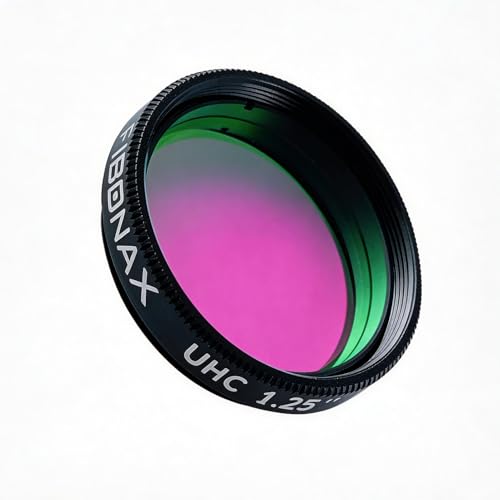
- Targets H-beta and O-III emissions
- Improves nebula and lunar contrast
- Includes case and stacking threads
Best For: 1.25-inch telescopes and compatible astrophotography cameras
Best Slim Natural Night Filter
K&F Concept 49mm Clear Natural Night

- 0.15-inch ultra-slim frame
- Designed for neutral color rendering
- Water-, oil-, and scratch-resistant coatings
Best For: 49mm camera lenses and wide-angle night scenes
Best Simple Starscape Filter
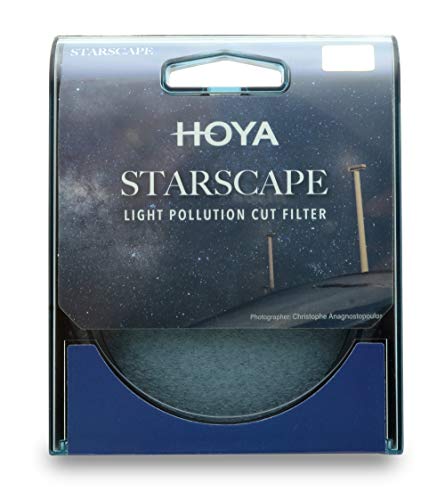
- Reduces yellow and green color casts
- Improves natural color and contrast
- Low-profile frame fits wide lenses
Best For: 49mm camera lenses and portable night photography
Best Compact System Filter

- Designed for NiSi P1-series holders
- Reduces yellow and orange light wavelengths
- Waterproof Nano-Coated optical glass
Best For: Compact cameras and mobile phones using the NiSi P1 system
Best Square Holder Option
K&F CONCEPT Natural Night Filter

- 100 x 100mm square format
- Fits several lens sizes and holder brands
- Nano-coated glass with no stated color cast
Best For: Square-holder night and astrophotography setups
Best Telescope Filter
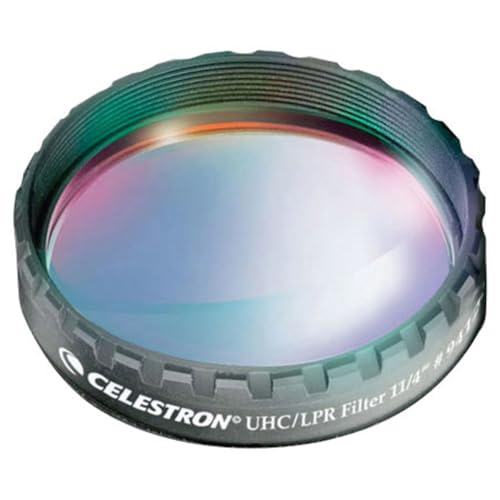
- Reduces selected artificial-light wavelengths
- Enhances nebula contrast and darkens sky backgrounds
- Standard 1.25-inch telescope thread
Best For: Visual telescope use with compatible 1.25-inch fittings
Urban Sky Clarity Pick
Walking Way Natural Night Filter

- Reduces urban light pollution and haze
- 28-layer protective multi-coating
- Designed for compatible 52mm lenses
Best For: Cityscapes and astrophotography with 52mm lenses
Slim Premium Choice
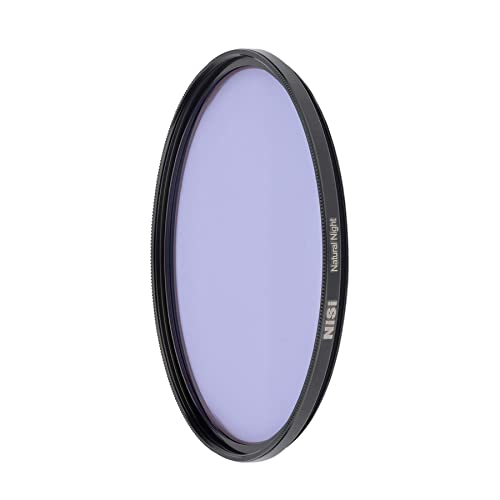
- Targets yellow and orange light wavelengths
- Ultra-slim frame for compact setups
- Nano-coated HD optical glass
Best For: Night scenes and astrophotography with 46mm lenses
Stacking-Friendly Value

- Reduces skyglow for clearer night skies
- Double-threaded for stacking accessories
- Includes storage case and one-year warranty
Best For: 49mm night-sky photography and filter stacking
Best Compact Camera Filter – Hoya Starscape 49mm
For photographers seeking compact light pollution filters, the Hoya Starscape uses Didymium glass to reduce yellow-orange skyglow from sodium and mercury lighting. Its 49mm screw-in format, low-profile frame, and stated 97%+ light transmission make it a practical choice for wide-angle night photography.
Best For: DSLR shooters capturing Milky Way scenes, auroras, urban night views, and time-lapses with 49mm lenses.
Pros:
- Reduces yellow-orange light pollution for cleaner night skies.
- Boosts star-to-sky contrast while preserving landscape color.
- Low-profile, lightweight frame is designed to help avoid vignetting.
- Multi-coated glass provides 97%+ stated light transmission.
Cons:
- Only fits lenses with a 49mm filter thread.
- Designed for camera lenses rather than telescope eyepieces.
The Hoya is a strong all-around pick when portability and wide-lens compatibility matter. Its specialized Didymium glass makes it particularly appealing for photographers who want more contrast in-camera.
Best Compact Telescope Filter – FIBONAX 1.25-Inch UHC
This FIBONAX UHC filter is one of the more compact light pollution filters for 1.25-inch telescope setups. Its narrowband design targets H-beta and O-III emissions while suppressing artificial light, making it useful for improving contrast on selected nebulae and lunar details.
Best For: Urban stargazers and astrophotographers using 1.25-inch telescopes or compatible cameras with M28.5×0.6 threads.
Pros:
- Suppresses sodium and mercury streetlight glare.
- Enhances emission nebulae such as Orion and Lagoon.
- Multi-coated glass provides stated light transmission above 90%.
- Dual threads support filter stacking, and a storage case is included.
Cons:
- Its 1.25-inch format is not suitable for larger telescope accessories.
- Narrowband performance is most specifically suited to emission targets.
Choose this filter when telescope compatibility is more important than camera-lens versatility. The aircraft-grade aluminum frame and included case also suit portable observing kits.
Best Slim Natural Night Filter – K&F Concept 49mm Clear Natural Night
The K&F Concept 49mm Clear Natural Night Filter is a slim option among compact light pollution filters. Its 0.15-inch frame is designed to minimize vignetting, while AGC optical glass and no-color-cast construction aim to preserve high-definition night images.
Best For: Camera users with 49mm lenses who photograph star fields, night cityscapes, and wide-angle scenes.
Pros:
- Reduces light pollution for clearer-looking night skies.
- Ultra-slim frame helps limit vignetting on wide-angle lenses.
- 28-layer coatings on both sides resist water, oil, and scratches.
- AGC optical glass is designed for no-color-cast image quality.
Cons:
- Compatibility is limited to lenses with 49mm filter threads.
- The supplied notes do not specify a light-transmission percentage.
This is a practical choice for photographers prioritizing a very slim profile and neutral color rendering. Its protective coatings add useful durability for outdoor night shooting.
Best Simple Starscape Filter – Hoya 49mm Light Pollution Cut
For a straightforward compact light pollution filter, this Hoya 49mm Starscape model reduces yellowish and greenish color casts from street lighting. Its low-profile frame is compatible with wide and super-wide-angle lenses, making it suitable for portable night photography kits.
Best For: Photographers using 49mm camera lenses who want more natural color and improved contrast in night scenes.
Pros:
- Reduces yellow and green streetlight color casts.
- Supports natural color reproduction and overall contrast.
- Low-profile design suits wide and super-wide-angle lenses.
- Multi-coated optical glass is supplied in a compact 49mm format.
Cons:
- It is not water resistant according to the supplied specifications.
- Compatibility is limited to cameras with 49mm filter threads.
This Hoya is a sensible choice for users who want a compact, familiar screw-in filter without moving to a telescope-specific format. Its main advantage is simple color correction with wide-lens compatibility.
Best Compact System Filter – NiSi P1 Natural Night
The NiSi P1 Natural Night is a practical choice when you want compact light pollution filters for a compact camera or mobile phone. It targets common yellow and orange light wavelengths and is designed specifically for the NiSi P1 filter system.
Best For: Compact-camera and mobile-phone night scenes or astrophotography when using the NiSi P1, P2, or P49 holders.
Pros:
- Reduces yellow and orange wavelengths associated with common light pollution.
- Uses high-definition optical glass with NiSi Nano Coating.
- Waterproof, scratch resistant, easy to clean, and designed for low reflection.
Cons:
- Requires a compatible NiSi P1-series filter holder.
- Its compact-system compatibility may not suit standard telescope or conventional lens setups.
This is the most purpose-built option here for small cameras and phones, provided you already use the NiSi P1 filter system. Its coated optical glass and compact compatibility make it convenient for portable night photography.
Best Square Holder Option – K&F CONCEPT Natural Night Filter
The K&F CONCEPT Natural Night Filter is a versatile square option for photographers comparing compact light pollution filters. Its 100 x 100mm format fits a range of holder systems and is intended to improve contrast, clarity, and color in urban night and astrophotography scenes.
Best For: Night photographers who use a square filter holder and want broad compatibility across common lens sizes and holder brands.
Pros:
- Blocks common light-pollution wavelengths while improving scene contrast and clarity.
- 100 x 100mm, 2mm-thick optical AGC glass is compatible with several holder systems.
- Double-sided nano coating provides waterproofing, scratch resistance, low reflection, and no stated color cast.
Cons:
- Requires a square filter holder rather than attaching directly as a conventional threaded filter.
- The larger 100 x 100mm format is less pocket-friendly than a small circular filter.
Choose this model when holder compatibility matters more than the smallest possible kit. Support for Lee, Cokin, NiSi, and multiple lens-size adapters gives it useful flexibility for a multi-lens setup.
Best Telescope Filter – Celestron UHC/LPR 1.25-Inch
The Celestron UHC/LPR filter is a compact telescope-focused choice among compact light pollution filters. Its 1.25-inch threaded format selectively reduces wavelengths from artificial lighting while aiming to provide darker sky backgrounds and improved nebula contrast.
Best For: Visual telescope use and cameras with a standard 1.25-inch or 31.75mm thread.
Pros:
- Designed to reduce selected artificial-light wavelengths.
- Helps enhance nebula contrast and create a darker sky background.
- High-transmission optical coating and a standard 1.25-inch format support telescope use.
- Includes a two-year limited warranty.
Cons:
- Not water resistant.
- Its 1.25-inch thread is intended for compatible telescopes and cameras, not general square-holder systems.
This is the clearest fit for telescope owners who want a threaded filter for visual observation. It emphasizes nebula contrast and sky-background darkening rather than the compact-camera compatibility offered by the other options.
Urban Sky Clarity Pick – Walking Way Natural Night Filter
For photographers looking for compact light pollution filters, the Walking Way Natural Night Filter is a practical option for 52mm-thread lenses. Its neodymium optical glass is designed to reduce the visual impact of streetlamps, neon signs, billboards, and urban haze while preserving clear, colorful night images.
Best For: Cityscapes, architectural photography, star trails, auroras, and astrophotography with compatible 52mm lenses.
Pros:
- Reduces common urban light pollution and haze for improved night-sky contrast.
- HD neodymium glass is designed for high light transmission and true-to-life colors.
- 28 layers of coatings provide water repellency, scratch resistance, and oil resistance.
- Includes a protective case and screws onto compatible lenses.
Cons:
- Only fits lenses with a 52mm filter thread.
- The supplied details contain a size inconsistency, so confirm the lens marking before purchase.
This filter stands out for its extensive multi-coating package and broad urban-photography use. Confirm your lens thread carefully, then consider it when portability, protection, and night-sky clarity are priorities.
Slim Premium Choice – NiSi Natural Night Filter
The NiSi Natural Night is a compact light pollution filter for 46mm-thread camera lenses. It targets yellow and orange wavelengths associated with common artificial lighting, making it a focused choice for night scenes and astrophotography without a bulky frame.
Best For: Night photography and astrophotography using lenses with a 46mm filter thread.
Pros:
- Blocks common yellow and orange light-pollution wavelengths.
- Ultra-slim frame helps maintain a compact setup.
- HD optical glass supports clear night images.
- Hydrophobic and oleophobic nano coating is waterproof, scratch resistant, and easy to clean.
Cons:
- Limited to lenses with a 46mm filter thread.
- Its color-reduction design is specialized for night scenes rather than general-purpose filtration.
NiSi’s slim construction, durable brass frame, and nano coating make this a well-rounded option for photographers who want a portable filter with straightforward night-sky applications. Check compatibility before ordering.
Stacking-Friendly Value – ICE LiPo Didymium Filter
ICE LiPo Didymium Filter Broadband Light Pollution Reduction for Night Sky/Star Optical Glass (49mm)
Check Price On AmazonThe ICE LiPo Didymium filter is a compact light pollution filter for 49mm lenses that reduces skyglow without changing the entire color spectrum. Its double-threaded frame also supports filter stacking, hoods, and caps, giving photographers added flexibility in the field.
Best For: Night-sky and star photography with 49mm lenses, especially when stacking filters or accessories.
Pros:
- Reduces light pollution and skyglow for clearer night skies.
- Designed to avoid changing the entire color spectrum.
- Double-threaded frame supports stacking, hoods, and caps.
- Includes a storage case and one-year warranty.
Cons:
- Only fits lenses with a 49mm filter thread.
- The supplied details list no coating, so it lacks the stated coated-surface benefits of some alternatives.
This is a sensible pick for photographers who value accessory compatibility and a natural-looking color response. Its 49mm thread and uncoated optical glass make careful size matching and handling especially important.
How We Picked These Compact Light Pollution Filters
We focused on filters designed to reduce the effects of urban and suburban lighting without treating every model as interchangeable. The selection includes didymium and natural-night filters for camera lenses, square systems for holders such as the NiSi P1, and UHC or LPR filters made specifically for 1.25-inch telescope eyepieces.
We compared the listed optical material, coatings, mounting format, intended application, and compatibility. A filter that works well for a wide-angle camera lens may not be suitable for a telescope, while a telescope UHC filter can produce a very different result from a broadband photographic filter.
Quick Comparison
- Best for compact camera setups: 49mm and 46mm circular filters from Hoya, K&F Concept, NiSi, and ICE LiPo.
- Best for interchangeable square systems: NiSi P1 Natural Night and K&F Concept 100x100mm filters.
- Best for telescopes: the 1.25-inch UHC and Celestron UHC/LPR filters.
- Best for broader lens compatibility: choose a screw-in size matching your lens thread, or use a step-up ring where appropriate.
Key Buying Factors for Compact Light Pollution Filters
Filter Format and Thread Size
Start with compatibility. Circular filters screw directly into a matching lens thread, but a 49mm filter will not mount natively on a 46mm or 52mm lens. Check the diameter symbol on your lens, and remember that square filters require a compatible holder. Telescope filters need the correct eyepiece barrel size, commonly 1.25 inches in this selection.
Broadband Versus UHC/LPR Design
Natural-night and didymium-style filters are generally intended for photographic color and contrast control across a broad scene. UHC and LPR filters are more specialized for telescope viewing and astrophotography, where selective transmission can improve the visibility of certain nebular targets. They are not automatically the best choice for ordinary landscape photography.
Glass, Coatings, and Image Quality
Look for optical glass and multicoated or nano-coated surfaces when available. Coatings can help reduce reflections and support easier cleaning, but they cannot compensate for a poor fit, flare-prone shooting angle, or severe skyglow. A filter should also be kept clean and free from scratches because night scenes make contrast loss especially noticeable.
Color Balance and Expectations
Light pollution filters reduce selected wavelengths; they do not make a heavily lit sky look completely dark. Results vary with the local lighting, weather, camera white balance, exposure, and post-processing. Test the filter against an unfiltered frame before committing to a full sequence.
Who Should Buy Which Compact Light Pollution Filters?
Choose a circular natural-night or didymium filter if you shoot night landscapes or Milky Way scenes with a camera lens and want a compact, simple setup. Select the diameter that matches your most-used lens.
Choose a square filter if you already use a holder system or need one filter to serve several lenses through adapter rings. This is often more flexible, though less portable than a screw-in filter.
Choose a 1.25-inch UHC or LPR filter for telescope observing and compatible deep-sky work. Confirm the eyepiece or accessory barrel size before buying, and do not assume it will behave like a general-purpose camera filter.