
Make Christmas extra curious with hands-on science gifts that invite kids to experiment, build, observe, and discover. These 15 ideas span chemistry, geology, astronomy, engineering, and more.
Choose an activity that fits the child’s age, interests, and the kind of time you can enjoy together during the holidays.
15 Christmas Science Experiment Gift Ideas Under $25 to Consider in 2026
Little Chemist Starter Kit
Doctor Jupiter My First Science Experiments Kit

- Explore 50+ experiments, from oobleck to color reactions.
- Includes kid-sized tools and an illustrated, step-by-step guide.
- A screen-free Christmas activity for hands-on discovery.
Best For: Children ages 4–8 exploring basic science with an adult.
Sensory Science Play
National Geographic Mega Sensory Science Kit

- Try slime, putty, and several kinds of sensory sand.
- Reusable materials invite repeat play and creative experiments.
- The learning guide adds science facts to a hands-on Christmas gift.
Best For: Kids 8 and up who enjoy tactile play and mixing materials.
Preschool Volcano Lab
Learning Resources Fizzy Volcano Science Lab

- Try 10 fizzy, foamy experiments with the full-color guide.
- Kid-sized lab tools support hands-on exploring and pretend play.
- Pieces fit inside the lab for storage after Christmas experiments.
Best For: Children ages 4–10 who are starting to explore science.
Outdoor Rocket Project

- Build a water rocket and explore pressure and kinetic energy.
- Try different bottles and water levels for varied experiments.
- A Christmas project for outdoor activity with adult help.
Best For: Older kids who enjoy outdoor engineering activities with an adult.
Chain Reaction Creations
Build Your Own Chain Reaction Machines

- Follow projects for 13 contraptions made with everyday items.
- Explore how mechanical elements work together in each machine.
- A book gift for building, tinkering, and Christmas break projects.
Best For: Kids ages 10–12 who enjoy contraptions and cause-and-effect puzzles.
Rock and Mineral Explorer
Toysmith STEM Rock & Mineral Science Kit

- Examine 30 rock and mineral specimens with included tools.
- Sort, test, and identify samples through hands-on discovery.
- A collection-friendly Christmas gift for budding geologists.
Best For: Nature-loving kids ages 8–12 who collect and study stones.
Tumbler Refill for Rock Fans
National Geographic Rock Tumbler Grit Refill

- Includes four stages of grit for shaping through final polishing.
- Compatible with all rock tumblers, according to the product details.
- A useful Christmas add-on for someone who already owns a tumbler.
Best For: Rock collectors who already have a compatible tumbler.
Science Magic Demonstrations
National Geographic Magic Chemistry Set
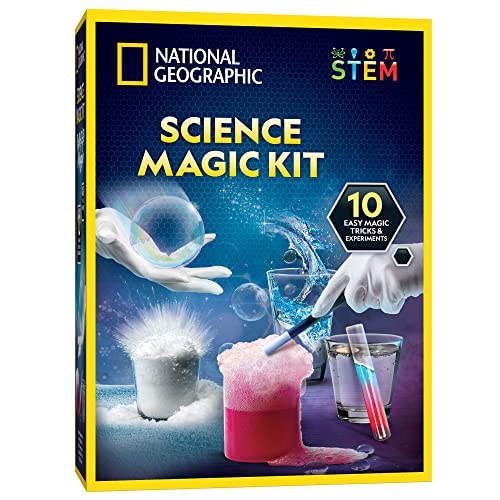
- Perform 10 experiments as magic tricks for family and friends.
- Includes the experiment tools, a guide, wand, and gloves.
- A Christmas gift that pairs demonstrations with science explanations.
Best For: Kids ages 8–12 who enjoy hands-on experiments and magic tricks.
Microscope Slide Collection
AmScope Prepared Microscope Slides, 25-Piece Set
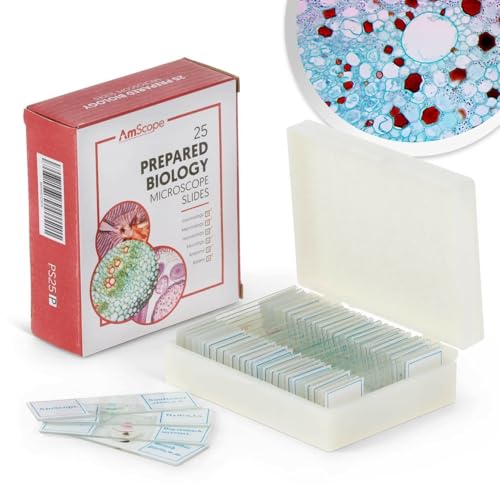
- Includes 25 prepared plant, fungus, insect, and animal tissue slides.
- Each slide is labeled, and a storage case is included.
- A compact Christmas gift for exploring samples under a microscope.
Best For: Children or teens who already have access to a microscope.
Beginner Experiment Set
Scientific Explorer My First Mind Blowing Science Kit

- A 20-piece kit introduces science tools and chemical reactions.
- Includes test tubes, cups, a pipette, supplies, and an activity guide.
- A Christmas starter set for trying a variety of beginner experiments.
Best For: Children ages 6 and up, with adult supervision.
Glow-In-The-Dark Planetarium
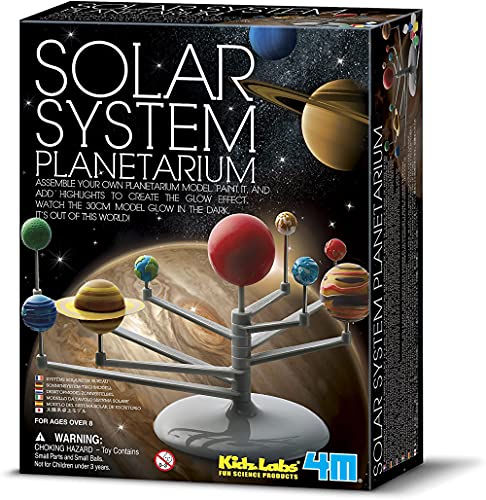
- Assemble and paint a model of the solar system.
- Includes planets, glow paint, a fact-filled wall chart, and quiz questions.
- A Christmas craft project for learning about space.
Best For: Kids ages 8 and up who enjoy astronomy and craft projects.
Build-A-Robot Project

- Build a small mechanical robot that moves near a table edge.
- Introduces mechanical and robotic engineering concepts through assembly.
- A Christmas project for hands-on building; requires a screwdriver and AA battery.
Best For: Kids ages 8–15 who enjoy building and simple mechanics.
Volcano Eruption Kit
National Geographic Ultimate Volcano Science Kit
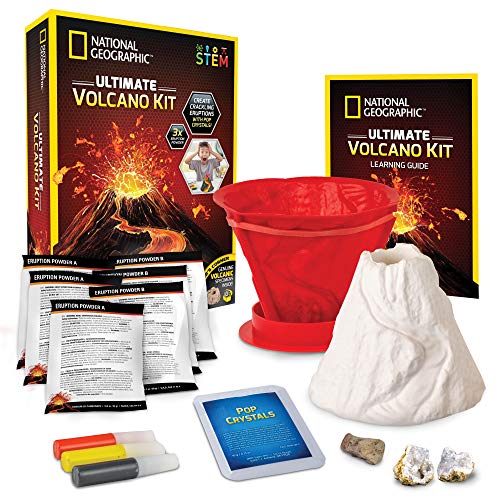
- Make repeated eruptions with the included mold and eruption powder.
- Includes pop crystals, paints, a brush, and a learning guide.
- Real pumice and a geode add geology to this Christmas project.
Best For: Kids ages 8 and up who are fascinated by volcanoes and earth science.
Soda Geyser Experiment
Steve Spangler Science Extreme Geyser Tube

- Use the tube, Mentos, and three caps to try different geyser styles.
- A 2-liter soda is needed for the outdoor demonstration.
- A shareable Christmas activity for family gatherings or parties.
Best For: Families with kids ages 6 and up who enjoy outdoor demonstrations.
Dinosaur Dig Discovery
National Geographic Dinosaur Dig Kit, 12 Eggs

- Excavate a dinosaur figure from each of 12 dig bricks.
- Includes digging tools and a guide about six dinosaur species.
- Individually wrapped eggs make this Christmas activity easy to share.
Best For: Kids ages 8 and up who enjoy dinosaurs and careful discovery.
Christmas Science Experiment Gift Ideas Under $25: How to Choose
Christmas science experiment gift ideas under $25 can suit many kinds of curious kids, from preschoolers who love fizz and color to older children ready to build a robot or study rocks. Start by matching the activity to the recipient’s age and interests. The product descriptions list age guidance for many options, so check those details before choosing, especially for younger children or projects that call for adult supervision.
Choose an Activity Style
Think about what the child enjoys doing. A hands-on chemistry set or volcano activity can appeal to kids who like visible reactions. Sensory sand, slime, or putty offers open-ended play, while a solar system model combines assembly with painting and astronomy. For children who like making things work, a chain-reaction project or tabletop robot brings engineering into the activity. Geology kits, prepared microscope slides, and dinosaur excavations suit young observers who enjoy examining specimens and learning what they find.
Consider where the gift will be used, too. Some projects are designed for outdoor experimentation, such as a water rocket or geyser activity. Others are better suited to a table or indoor workspace. Check the listed components and instructions to see whether the activity uses materials beyond what comes in the package. For example, the geyser tube description says a two-liter soda is needed, and the tabletop robot requires a small cross-head screwdriver and one AA battery, which is not included.
Budget Considerations for Christmas Science Gifts
For a gift under $25, compare the activity’s scope as well as its initial price. A kit with multiple experiments, a reusable mold, or a learning guide may provide several ways to explore. A refill product, such as rock tumbler grit, makes the most sense when the recipient already has the compatible equipment. Check whether a project requires household items, batteries, or tools so you can account for the complete setup when planning your budget.
For a group gift, look for activities described as shareable or collaborative. A dinosaur dig kit includes multiple excavation sets, while sensory science activities can be enjoyed with friends or family. If the gift is for one child, a project they can revisit or a collection they can sort and study may be a better fit. Prices can change, so confirm the current price before purchase to make sure it stays under your budget.
Personalization Tips
Make the choice feel personal by connecting it to a child’s favorite subject. A budding astronomer may enjoy assembling a planetarium model; a child fascinated by prehistoric life may prefer a dinosaur excavation. For a young builder, choose a mechanical or robotics activity. A future geologist might enjoy identifying and testing rock specimens. Matching the gift to an existing interest can make the activity feel considered without needing extra decoration.
You can also personalize how the gift is presented. Add a short note suggesting a time to try the activity together, or wrap it with a simple invitation to build, observe, or experiment over the holiday break. If the project needs an additional household item, mention it in the note so the recipient knows what to gather before starting.
Last-Minute Christmas Buying Advice
When time is short, prioritize clear product details over assumptions about delivery or availability. Review the listed age guidance, included components, and any extra supplies needed before ordering. If you are shopping in person, inspect the package for the same information and confirm the price. Since delivery dates vary, check the retailer’s current estimate directly rather than relying on a general holiday cutoff.
For a quick decision, narrow the options by age, activity setting, and the child’s interests. A compact experiment kit may be easy to wrap, while a build project can create an activity to share during the break. Choose one that fits the recipient and your budget, then make sure the instructions and materials match the occasion. A thoughtful science gift can turn Christmas downtime into a chance to ask questions, try ideas, and enjoy discovering how things work.