
A comfortable sleeping pad can make the difference between a restorative night outdoors and waking up sore. The best sleeping pads under $100 balance cushioning, insulation, portability, and dependable construction without requiring premium-backpacking prices.
This roundup includes inflatable, self-inflating, memory-foam, and closed-cell foam options for different camping styles. Use the guide below to compare thickness, packed size, warmth, setup, and value before choosing.
Best 10 Sleeping Pads Under 100 Picks for 2026
Comfort-Focused Pick
CYMULA Memory Foam Camping Mattress

- Plush 3-inch memory foam cushioning
- Waterproof, non-slip bottom
- Multiple sizes with carry bag
Best For: Car camping, sleepovers, and temporary guest beds
Lightweight Comfort Pick

- 4-inch thickness with built-in pillow
- Integrated foot pump
- 1.8-pound compact design
Best For: Backpacking, camping, and travel
Ultralight Foam Pick

- About 455 grams
- Foldable closed-cell foam design
- Aluminum film backing for insulation
Best For: Ultralight backpacking and thru-hiking
Connectable Air Pad Pick

- 3.54-inch thick inflatable design
- Built-in pillow and pump
- Connects to additional pads
Best For: Solo campers, couples, and family camping
Best Ultralight Coverage
Aluminum Insulated Camping Pad

- Wide 78.7-by-59-inch coverage
- Reflective, waterproof insulation
- About 160 g with carry pack
Best For: Lightweight tent-floor insulation and thermal blanket use
Best Cushioning
Wakeman 0.75-Inch Foam Sleeping Pad
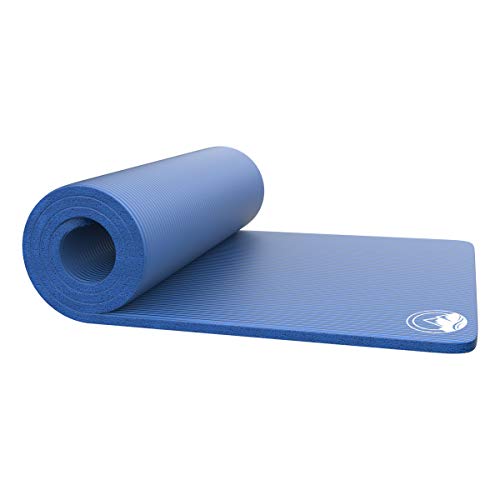
- Thick 0.75-inch NBR foam
- Waterproof, non-slip surface
- Includes carrying strap
Best For: Cots, car camping, sleepovers, and multipurpose use
Best Lightweight Solo Mat
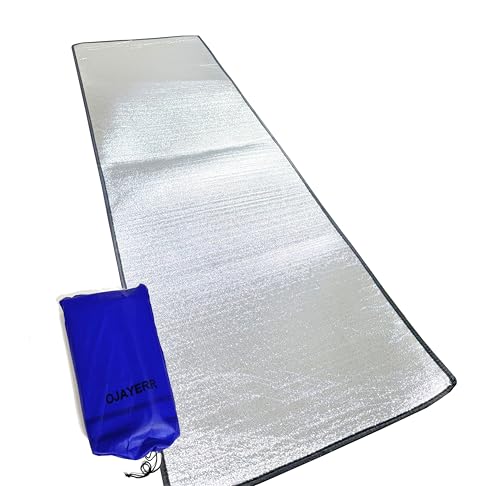
- Only about 120 g
- 78-by-39-inch individual surface
- Foldable and waterproof
Best For: Solo hiking and lightweight ground insulation
Powered Comfort Pick
OGERY Memory Foam Sleeping Pad

- Built-in electric pump for inflation and deflation
- 3.15-inch memory-foam-and-air construction
- Built-in pillow and adjustable firmness
Best For: Car camping, RV travel, and guest use
Best Heavy-Duty Pick
Wakeman Lightweight Camping Mat

- Lightweight 1-inch foam construction
- Non-slip and water-resistant surface
- Includes carrying strap for transport
Best For: Cots, floor camping, yoga, and basic outdoor cushioning
Backpacking Thickness Pick

- Thick air mat with included pillow
- Built-in foot pump inflates in 30–40 seconds
- Side snaps connect pads for extra width
Best For: Tent camping and backpacking with added cushioning
Comfort-Focused Pick – CYMULA Memory Foam Camping Mattress
For shoppers comparing sleeping pads under 100, the CYMULA memory foam camping mattress stands out as a plush, 3-inch option for car camping, sleepovers, and temporary beds. Its foam construction, waterproof non-slip bottom, and included carry bag favor comfort and convenience over ultralight backpacking portability.
Best For: Car camping, guest beds, sleepovers, and campers who prefer foam cushioning.
Pros:
- High-density memory foam adapts to body shape and weight.
- OEKO-TEX certified materials and a fiberglass-free flame-retardant layer add reassurance.
- Waterproof, non-slip bottom helps on tent floors and uneven surfaces.
- Available in multiple sizes and includes a storage bag and packing straps.
Cons:
- At 7.5 pounds, it is substantially heavier than inflatable backpacking pads.
- Requires roughly 24–72 hours to fully rebound after vacuum packaging.
- The listed 3-inch size is better suited to comfort-focused camping than minimal pack loads.
The CYMULA is a practical choice when sleeping comfort and versatility matter more than minimum weight. Its roll-up design works especially well for vehicle-based trips and occasional indoor use.
Lightweight Comfort Pick – Pretyw 4-Inch Sleeping Pad
Among sleeping pads under 100, this Pretyw model combines a 4-inch sleeping surface with an integrated pillow and foot pump. It packs to about 10 by 4 inches and weighs 1.8 pounds, making it a convenient fit for camping, travel, and backpacking.
Best For: Backpackers and campers who want thick cushioning without carrying a separate pump or pillow.
Pros:
- Inflates in approximately 30–60 seconds with the built-in pump.
- 4-inch thickness and an integrated pillow provide substantial cushioning.
- 40D nylon with multilayer TPU construction is waterproof and easy to clean.
- Side buttons allow multiple pads to be connected.
Cons:
- The included built-in pump still requires repeated pressing to inflate.
- Users must properly seal the deflation valve for quick deflation.
- Inflatable construction may require more care around sharp surfaces than closed-cell foam.
With its low listed weight, compact packed size, and generous thickness, the Pretyw is a versatile option for active travelers who value a faster setup and built-in comfort features.
Ultralight Foam Pick – Foldable IXPE Camping Pad
For hikers seeking sleeping pads under 100 with simple, no-fuss construction, this foldable IXPE foam mat is easy to carry and use. It weighs about 455 grams, folds to roughly 23.6 by 5.5 by 5.5 inches, and uses an aluminum film backing for added insulation.
Best For: Ultralight backpacking, thru-hiking, picnics, and campers who prefer a pad with no inflation process.
Pros:
- Lightweight foldable design is convenient for trekking and travel.
- Closed-cell foam requires no pump and resists punctures.
- Waterproof, moisture-proof, and corrosion-resistant construction.
- Aluminum film helps reflect body heat; listed insulation rating is 2.1.
Cons:
- At 0.7 inch thick, it provides less cushioning than inflatable or memory foam models.
- The 23.6-inch width is relatively narrow.
- No accessories are included.
This is the simplest and lightest option in the group, prioritizing portability and reliability over plush comfort. It makes sense for minimalist trips where a quick, durable sleeping surface is the goal.
Connectable Air Pad Pick – Covacure Inflatable Mattress
The Covacure is a strong contender among sleeping pads under 100 for campers who want thick cushioning, a built-in pillow, and easy inflation. Its 3.54-inch profile, integrated pump, and connectable edges make it suitable for solo trips as well as shared sleeping setups.
Best For: Campers and couples who want a lightweight inflatable pad that can link with additional mats.
Pros:
- Inflates with the built-in pump in about 40 seconds.
- 3.54-inch thickness and built-in pillow help separate sleepers from uneven ground.
- 40D nylon and multilayer TPU construction provide waterproof, wear-resistant performance.
- Edge buttons connect two or more pads into a larger sleeping surface.
Cons:
- The 1.9-pound weight is light but not the lowest among these options.
- Inflatable pads require care around sharp or abrasive surfaces.
- Its listed length of 77.17 inches may feel short for some taller sleepers.
Covacure balances portability with noticeable thickness and useful built-in features. The included repair patches are a practical extra, while the connection buttons add flexibility for couples and families.
Best Ultralight Coverage – Aluminum Insulated Camping Pad
For shoppers comparing sleeping pads under 100, this ultralight aluminum-and-foam mat prioritizes broad ground coverage and easy portability. Its waterproof, reflective construction helps insulate a sleeping bag from cold ground, while the included carry pack makes it practical for camping, hiking, picnics, or emergency thermal use.
Best For: Campers who want a very light, wide tent-floor mat or thermal blanket.
Pros:
- Large 78.7-by-59-inch surface provides generous tent-floor coverage.
- Double-sided aluminum foil and EPE foam help reflect heat and insulate from cold ground.
- Waterproof, foldable, easy to clean, and weighs about 160 grams.
- Includes a carry pack and has a stated two-year manufacturer warranty.
Cons:
- At about 0.07 inch thick, it offers minimal cushioning compared with thicker foam pads.
- Its broad shape may be less convenient for compact individual sleeping setups.
This is best viewed as a lightweight insulation layer and tent mat rather than a plush mattress. Add a separate cushioned pad if comfort on hard ground is a priority.
Best Cushioning – Wakeman 0.75-Inch Foam Sleeping Pad
This Wakeman foam pad is a practical choice among sleeping pads under 100 when cushioning matters more than ultralight weight. Its 0.75-inch NBR foam construction provides a more padded surface for cots, tents, sleepovers, car camping, RV use, or indoor activities.
Best For: Campers, cot users, and sleepover guests who want a thicker, multipurpose foam mat.
Pros:
- 0.75-inch-thick foam offers more cushioning than thin reflective mats.
- 72-inch length fits extra-wide cots and accommodates users of different sizes.
- Waterproof surface and non-slip texture help with insulation and stability.
- Rolls to about 24 by 9 by 9 inches and includes a carrying strap.
Cons:
- At about 3 pounds, it is substantially heavier than ultralight foam mats.
- The 24-inch width is relatively narrow for some sleepers.
- Its rolled dimensions may take more pack space than foldable alternatives.
Choose this model when a cushier surface and versatile use are more important than minimum packed weight. The non-slip, waterproof finish also makes it useful beyond overnight camping.
Best Lightweight Solo Mat – Compact Insulated Camping Pad
If you are comparing sleeping pads under 100 for a lightweight solo setup, this compact insulated mat combines aluminum foil with EPE foam to create a waterproof barrier from cold ground. It folds easily, includes a carry pack, and can serve as either a tent-floor pad or a thermal blanket.
Best For: Individual campers and hikers who need an ultralight, compact insulation layer.
Pros:
- Weighs about 120 grams, making it easy to carry on hikes.
- Aluminum-and-EPE construction reflects heat and helps insulate against cold ground.
- Waterproof, foldable, and easy to clean.
- 78-by-39-inch dimensions provide a useful individual sleeping surface.
Cons:
- At about 0.08 inch thick, it provides very little padding.
- The 39-inch width may not suit sleepers who want extra side-to-side room.
- It is primarily an insulation layer rather than a cushioned mattress.
This mat makes sense for travelers who value low weight and thermal protection above softness. For harder surfaces, pair it with a thicker sleeping pad to improve comfort.
Powered Comfort Pick – OGERY Memory Foam Sleeping Pad
For shoppers comparing sleeping pads under 100, the OGERY stands out as a thick, comfort-focused option for car camping, RV travel, and home use. Its 3.15-inch memory-foam-and-air construction, built-in electric pump, and raised pillow make setup and sleeping more convenient, though its 8-pound weight is better suited to vehicle-based trips than backpacking.
Best For: Campers who prioritize cushioning, adjustable firmness, and powered inflation over low weight.
Pros:
- Built-in electric pump supports inflation and deflation without an external pump.
- Thick memory foam and adjustable air pressure provide customizable support.
- Built-in pillow and quieter surface add convenience and comfort.
- Insulated foam core is suited to camping, RV travel, road trips, and guest use.
Cons:
- At 8 pounds, it is not designed for ultralight backpacking.
- Its 26.38-inch width accommodates one sleeper.
- The pad is not water resistant.
The OGERY is a practical choice when sleeping comfort and easy setup matter more than pack weight. It is especially appealing for car campers and travelers wanting a mattress-like feel under $100.
Best Heavy-Duty Pick – Wakeman Lightweight Camping Mat
Among sleeping pads under 100, the Wakeman foam mat is a simple, lightweight option for cots, tents, floors, and yoga. Its 1-inch EVA-style foam construction offers basic cushioning and portability, while the rolled size and carrying strap make it easy to bring along.
Best For: Campers, cot users, and travelers seeking an inexpensive, lightweight foam mat for basic cushioning.
Pros:
- Weighs about 0.6 pounds according to the product description.
- 72-inch length fits many extra-wide cots and floor setups.
- Non-slip texture helps keep the mat in place.
- Water-resistant surface helps protect against cold, damp ground.
Cons:
- One-inch thickness provides less cushioning than thicker inflatable pads.
- It has no integrated pillow or pump.
- The listed warranty is limited to 30 days.
The Wakeman is best viewed as a straightforward foam mat rather than a plush mattress. Choose it for low-weight portability, cot compatibility, and versatile home or outdoor use.
Backpacking Thickness Pick – AKSOUL 3.9-Inch Sleeping Pad
For shoppers seeking sleeping pads under 100 with substantial cushioning, the AKSOUL combines a 3.9-inch air-mat profile with a built-in foot pump. It weighs 850 grams, packs compactly, supports up to 440 pounds, and can connect to another pad for a wider sleeping surface.
Best For: Backpackers and tent campers who want thick cushioning, compact packing, and a convenient manual inflation system.
Pros:
- 3.9-inch thickness and included pillow provide a cushioned sleeping surface.
- Built-in foot pump can inflate the pad in about 30–40 seconds.
- Side snaps allow two pads to connect into a wider setup.
- 40D nylon and TPU construction is described as puncture-resistant and water resistant.
Cons:
- At 850 grams, it is heavier than minimalist sleeping mats.
- Foot-pump inflation still requires manual stepping.
- The single pad is designed for one sleeper.
The AKSOUL offers a strong comfort-to-portability balance for campers who dislike thin mats. Its connectable design is useful for couples or families, while the compact format keeps it practical for travel and hiking.
How We Picked the Best Sleeping Pads Under 100
We focused on the features that matter most at this price: sleeping comfort, insulation from cold ground, durability, portability, and ease of setup. The selection covers several designs, including compact inflatable mats, self-inflating models, roll-up memory-foam pads, and simple closed-cell foam bedding.
Because use cases vary, no single pad is ideal for everyone. A backpacker may prioritize low weight and a small packed size, while a car camper or guest may prefer thicker foam and a wider sleeping surface. We also considered practical details such as built-in pillows, pumps, waterproof surfaces, carry straps, and compatibility with cots or tent floors.
Quick Comparison
- Best for compact comfort: Inflatable and self-inflating pads generally provide the most cushioning relative to their packed size.
- Best for simplicity: Closed-cell foam pads need no inflation, batteries, or repair kit and work reliably in wet conditions.
- Best for car camping and guests: Memory-foam mats offer a familiar mattress-like feel but are bulkier to transport.
- Best for cold ground: Look for insulated construction, reflective layers, or thicker foam rather than choosing by thickness alone.
Key Buying Factors for Sleeping Pads Under 100
Comfort and Thickness
Side sleepers usually benefit from a thicker inflatable or memory-foam pad that cushions the hips and shoulders. A thinner foam mat can be adequate for back sleepers, short trips, or users who value light weight over plushness. Check the actual dimensions as well as thickness, since a narrow pad may limit movement.
Warmth and Insulation
The ground can draw heat away even during mild weather. Insulated foam, aluminum reflective surfaces, and air chambers can improve warmth. If a manufacturer provides an R-value, use it as a useful comparison, but also consider the season and whether you will place the pad directly on the tent floor.
Weight and Packed Size
For backpacking, every ounce and inch matters. Inflatable pads typically pack smaller than foam or memory-foam models, while closed-cell foam is often lighter but remains bulky when folded or rolled. For car camping, sleepovers, and cot use, a larger packed size may be a worthwhile trade-off.
Setup and Durability
Built-in pumps can simplify inflation, but electric or foot pumps may require more time or power. Foam pads are fastest to deploy. For inflatable models, inspect valve quality and consider carrying a patch kit. Waterproof surfaces are useful for tent floors, damp ground, and easy cleanup.
Who Should Buy Which Sleeping Pads Under 100?
Choose an Inflatable or Self-Inflating Pad If:
You want strong cushioning, a compact pack size, or adjustable firmness. These are especially practical for backpacking and campers who need more support than a thin foam mat provides.
Choose a Foam Pad If:
You want dependable, low-maintenance bedding for rugged trips, emergency use, or wet conditions. Foam is also a good choice when quick setup matters more than a mattress-like feel.
Choose a Memory-Foam Pad If:
You are car camping, hosting guests, or sleeping on a cot and prefer a softer, more familiar surface. These pads are comfortable but generally less convenient for long-distance carrying.
Before buying, match the pad to your sleeping position, expected temperatures, transport method, and available tent space. That approach will help you find the best value among sleeping pads under $100 rather than simply choosing the thickest or cheapest option.