
The right pack can make a long hike feel manageable instead of exhausting. Capacity, frame support, ventilation, weather protection, and fit all matter once miles and gear add up.
We’ve gathered 10 hiking backpacks for long hikes, including lightweight daypacks, versatile overnight bags, and larger internal-frame models. Use the guide below to narrow the list by trip length, load, and comfort priorities.
Best 10 Hiking Backpacks for Long Hikes Picks for 2026
Best Overall Capacity

- 65-liter internal-frame capacity
- Adjustable torso and compression straps
- Rainfly and sleeping-bag compartment included
Best For: Multi-day hikers carrying substantial gear
Best Lightweight Organization

- Lightweight 40-liter design
- 15 pockets for organized storage
- Hydration routing and rain-cover pocket
Best For: Compact day hikes and shorter overnight trips
Best Premium Suspension

- 68-liter listed storage volume
- Included PFAS-free DWR rain cover
- Removable sleeping-bag divider and pad straps
Best For: Extended backpacking trips with larger loads
Best Budget-Friendly 50L

- 50-liter capacity with sleeping-bag compartment
- Adjustable chest and waist belts
- Rain cover and padded breathable back support
Best For: Moderate multi-day hikes and camping trips
Trail-Ready Comfort

- Adjustable, ventilated AirSpeed suspension
- LightWire frame helps transfer load to hips
- Integrated removable raincover
Best For: Overnight backpacking and extended hikes with heavier gear
Organized All-Weather Value

- Padded, breathable harness for long days
- Ten pockets and a separate wet pocket
- Includes rain cover and hydration compatibility
Best For: Long day hikes, travel, and lighter camping loads
Ultralight Extended-Carry Pick
Naturehike 65L Internal Frame Pack

- 2.56-pound framed pack with 60L plus 5L capacity
- Breathable ergonomic padding for extended wear
- Attachment points for poles and sleeping bags
Best For: Extended camping and long hikes where low weight matters
Best Lightweight Capacity
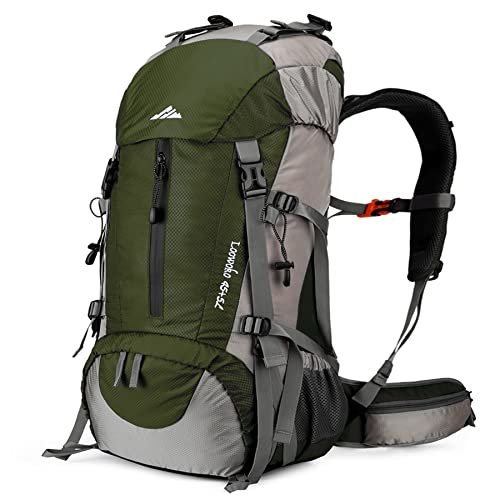
- 50L capacity weighs 2.1 pounds
- Rain cover included
- Six pockets plus gear attachment points
Best For: Three- to five-day hikes and organized camping trips
Best Adjustable Frame
Teton Scout 55L Internal Frame Backpack

- 55L internal-frame design
- Adjustable torso for medium and tall users
- Rain cover and sleeping bag compartment included
Best For: Structured support on hiking and backpacking trips
Best Hydration Bundle

- 3L hydration bladder included
- Rain cover and water-resistant fabric
- Steel-frame suspension with multiple pockets
Best For: Day hikes and active outings with built-in hydration
Best Overall Capacity – Teton 65L Explorer
For hikers who need substantial storage on multi-day trips, the Teton Explorer 65L is a feature-rich internal-frame option. Its adjustable torso, compression straps, sleeping-bag compartment, and included rain cover make it a practical choice among hiking backpacks for long hikes.
Best For: Multi-day hikers who want generous capacity, organized storage, and adjustable support.
Pros:
- Large 65-liter storage capacity with six compartments and six pockets.
- Multi-position torso adjustment accommodates medium and tall users.
- Includes a rainfly, hydration pocket, sleeping-bag compartment, and compression straps.
Cons:
- At approximately 5 pounds, it is heavier than lightweight alternatives.
- The 65-liter size may be more pack than needed for shorter trips.
The Explorer 65L emphasizes capacity and adjustability rather than minimal weight. It is a solid fit for hikers carrying bulky or extensive gear, especially when comfort features and organization take priority.
Best Lightweight Organization – Maelstrom 40L Waterproof
The Maelstrom 40L combines a relatively light 1.96-pound build with numerous storage zones and weather-focused features. For hikers seeking hiking backpacks for long hikes without moving to an oversized pack, its compression system, rain-cover pocket, and hydration compatibility are useful advantages.
Best For: Hikers who want a lightweight, organized pack for day hikes, travel, or shorter overnight outings.
Pros:
- 40-liter capacity with 15 pockets for sorting equipment.
- Waterproof nylon construction and an included rain-cover pocket help protect contents.
- Hydration-system routing, trekking-pole straps, and bottom gear straps add versatility.
- Ergonomic shoulder straps, back support, and load compression straps help manage the load.
Cons:
- Its 40-liter capacity may be limiting for extended trips with bulky equipment.
- The supplied details do not identify a framed suspension system.
This pack stands out for accessible organization and low weight. It is better suited to compact packing than large-volume expeditions, but its pockets and attachment points make it adaptable for varied outdoor use.
Best Premium Suspension – Osprey Atmos AG 65L
The Osprey Atmos AG 65L is a large men’s backpacking pack built around a framed design and extensive compartment layout. With a 68-liter listed volume, included rain cover, sleeping-bag compartment, and removable sleep-system features, it is designed for hikers carrying substantial loads on longer routes.
Best For: Experienced backpackers who need high capacity and a feature-rich framed pack for extended trips.
Pros:
- 68-liter listed storage volume suits extended trips and larger gear loads.
- Included rain cover uses PFAS-free DWR and bluesign-approved materials.
- Sleeping-bag compartment includes a removable divider, while removable straps secure a sleeping pad.
- Floating top lid with lash points and curved zip access improve gear access and carry options.
Cons:
- The large L-XL size is not intended as a compact daypack.
- At approximately 4 pounds, it is not the lightest option in this group.
The Atmos AG 65L prioritizes carrying capacity, access, and sleep-system organization. Its larger volume and L-XL sizing make it most appropriate for backpackers whose trips and gear demands justify a full-size pack.
Best Budget-Friendly 50L – WoneNice 50L Waterproof
The WoneNice 50L offers a practical middle ground for hikers who need more room than a daypack but want a relatively lightweight design. Its sleeping-bag compartment, adjustable waist and chest belts, breathable back support, and included rain cover make it a useful entry in hiking backpacks for long hikes.
Best For: Budget-conscious hikers who want a roomy, adjustable pack for camping and moderate multi-day trips.
Pros:
- 50-liter capacity includes a main compartment, front pockets, side mesh pockets, and a sleeping-bag compartment.
- Adjustable chest and waist belts help customize the fit.
- Padded S-shaped shoulder straps and breathable back support are designed to ease carrying strain.
- Water-resistant, tear-resistant fabric and an included rain cover add weather protection.
Cons:
- The listed weight is about 1.16 kg, so it is not an ultralight pack.
- With five pockets and four compartments, organization is less extensive than the Maelstrom’s layout.
The WoneNice 50L focuses on useful capacity and basic carrying comfort at a moderate size. It is a sensible option for hikers who want room for camping gear without stepping up to a 65- or 68-liter pack.
Trail-Ready Comfort – Osprey Rook 65L
For hikers comparing hiking backpacks for long hikes, the Osprey Rook 65L offers substantial capacity, adjustable suspension, and a load-transferring frame. Its straightforward design is suited to overnight and extended trail trips where comfort and weather coverage matter.
Best For: Overnight backpacking and long hikes requiring 65 liters of organized carrying space.
Pros:
- Adjustable AirSpeed backpanel accommodates different torso lengths and promotes ventilation.
- LightWire frame transfers weight to the hipbelt to reduce shoulder pressure.
- Integrated, removable raincover adds convenient weather protection.
- Includes a zippered sleeping bag compartment and is Daylite compatible.
Cons:
- At 3.7 pounds, it is heavier than the Naturehike option listed here.
- Its 65-liter capacity may be more than needed for shorter day hikes.
The Rook 65L is a practical choice when carrying overnight equipment takes priority over minimizing pack weight. Adjustable fit features and a framed load-transfer system make it especially appealing for longer, heavier outings.
Organized All-Weather Value – Maelstrom 40L Hiking Backpack
The Maelstrom 40L is a versatile option for shoppers seeking hiking backpacks for long hikes without moving to an especially large overnight pack. Its padded harness, numerous pockets, hydration features, and included rain cover support full-day outings and lighter travel loads.
Best For: Long day hikes, travel, camping, and activities where accessible organization is useful.
Pros:
- Breathable, padded shoulder straps and back support help reduce fatigue.
- Multiple compartments include waist pockets, mesh side pockets, and a wet pocket.
- Includes a rain cover and water-resistant, tear-resistant rip-stop nylon construction.
- Hydration-compatible design includes a water-bag attachment point and hose opening.
Cons:
- Its 40-liter capacity offers less room than the 65-liter packs in this roundup.
- The product is described as a daypack, so it may be less suitable for bulky overnight equipment.
Choose the Maelstrom when organization and versatility matter more than maximum capacity. It is a strong fit for long day hikes and travel, particularly when rain protection and hydration compatibility are priorities.
Ultralight Extended-Carry Pick – Naturehike 65L Internal Frame Pack
For hikers prioritizing low weight in hiking backpacks for long hikes, the Naturehike 65L combines a framed design with 60L plus 5L of storage. It is built for camping, mountaineering, and longer travel, with attachment points for bulky equipment and a stated load capacity of up to 15 kg.
Best For: Extended camping, mountaineering, and long hikes where low pack weight is important.
Pros:
- Weighs 2.56 pounds while providing 60L plus 5L of capacity.
- Breathable mesh padding and ergonomic cushioning support extended wear.
- Compression straps secure items such as trekking poles and sleeping bags.
- Includes a rain cover and hydration function.
Cons:
- The fabric is water-repellent rather than completely waterproof.
- Its listed three pockets provide less built-in organization than the Maelstrom.
- The stated maximum load recommendation is 14 kg, despite a separate 15 kg load-capacity claim.
The Naturehike stands out for carrying substantial gear while keeping pack weight relatively low. Its attachment points and large capacity make it well suited to extended trips, provided you use the rain cover in wet conditions.
Best Lightweight Capacity – Loowoko 50L Hiking Backpack
For hikers comparing hiking backpacks for long hikes, the Loowoko 50L stands out for its low 2.1-pound weight, generous capacity, and included rain cover. Its multiple compartments and attachment points make it practical for carrying several days of gear.
Best For: Three- to five-day hikes, camping trips, and travelers who want a lightweight, highly organized pack.
Pros:
- 50-liter capacity with a listed maximum weight recommendation of 40 pounds
- Includes a waterproof rain cover stored in the bottom pouch
- Six external pockets, eight compartments, and a separate shoe compartment support gear organization
- Padded, breathable shoulder straps and back support help improve carrying comfort
Cons:
- No internal frame is included
- The product notes identify the outer material as nylon and polyester rather than a fully waterproof shell
The Loowoko offers a strong capacity-to-weight balance for hikers who prioritize storage and organization without choosing a framed pack. Compression straps and attachment points add flexibility for bulkier equipment.
Best Adjustable Frame – Teton Scout 55L Internal Frame Backpack
The Teton Scout 55L is a practical choice among hiking backpacks for long hikes when adjustable support and load organization matter. Its internal frame, multi-position torso adjustment, and padded lumbar area are designed for a more structured carry.
Best For: Beginners and experienced backpackers who want a customizable 55-liter pack for hiking, camping, or travel.
Pros:
- Internal frame with multi-position torso adjustment for medium and tall users
- Open-cell foam lumbar pad and molded channels support comfort and airflow
- Large sleeping bag compartment, seven pockets, and multiple compression straps
- Rain cover is included
Cons:
- At 1.86 kg, it is heavier than the Loowoko option
- Listed as water resistant rather than waterproof
- The product notes describe it as medium weight and recommend hand washing
With a framed design and adjustable torso, the Scout is geared toward hikers who prefer a more supportive fit than a frameless pack can provide. Its compartment layout is especially useful when sleeping gear and other bulky items need dedicated storage.
Best Hydration Bundle – IX INOXTO 40L Hiking Backpack
For day-long outings and lighter long hikes, the IX INOXTO combines a 40-liter option with a 3-liter water bladder and rain cover. Its suspension system, steel frame support, and numerous pockets help balance hydration, comfort, and access to essentials.
Best For: Day hikes, travel, and outdoor activities where built-in hydration and organized storage are priorities.
Pros:
- Includes a 3-liter leak-proof hydration bladder with a wide opening for filling
- Water-resistant polyester construction and a waterproof rain cover are included
- Multiple compartments, hip pockets, and a bottom-access pocket improve organization
- Breathable suspension system, padded straps, and steel frame support are designed to distribute weight
Cons:
- The 40-liter configuration is smaller than the 50L and 55L alternatives
- It is listed as water resistant, so the rain cover remains important in wet conditions
- The product notes emphasize day trips and day-to-day use rather than multi-day backpacking
The IX INOXTO is a useful middle ground for hikers who want more storage than a small daypack while keeping hydration readily available. The included bladder and reflective design add practical features for active daytime use.
How We Picked These Hiking Backpacks for Long Hikes
We focused on the features that have the greatest effect on comfort and usefulness over extended distances: capacity, suspension design, weight, weather protection, organization, hydration compatibility, and adjustability. The selection spans roughly 26L to 65L so hikers can match the pack to a day trip, an overnight outing, or a longer backpacking itinerary.
We also considered practical inclusions such as rain covers, water-bladder compatibility, multiple access points, compression straps, and supportive hip belts. Product specifications can vary by size and version, so confirm the manufacturer’s measurements and fit range before ordering.
Quick Comparison
- 26L to 40L: Best for day hikes, travel, commuting, and light overnight loads.
- 45L to 55L: A flexible middle ground for minimalist overnights and weekend trips.
- 65L: Better for multi-day trips, bulky equipment, colder conditions, or less compact gear.
- Internal-frame models: Generally preferable when carrying heavier loads and needing better weight transfer to the hips.
- Waterproof or rain-cover-equipped packs: Helpful in changeable weather, but dry bags or pack liners still provide stronger protection for critical gear.
Key Buying Factors for Hiking Backpacks for Long Hikes
Capacity and Load Planning
Choose capacity based on your packed gear, not the maximum space available. A 40L pack can work for efficient day hikers and warm-weather overnights, while 50L to 65L packs offer more room for sleep systems, cooking equipment, extra layers, and food. Avoid filling an oversized pack with unnecessary items simply because space is available.
Fit and Suspension
Measure torso length and check the adjustment range. A padded hip belt should sit over the hip bones and carry much of the load, while shoulder straps should feel secure without digging into the neck. An internal frame, load lifters, sternum strap, and useful compression straps can improve stability on uneven terrain.
Weight, Ventilation, and Access
Every extra ounce matters over a long route, but the lightest pack is not automatically the most comfortable. Balance empty weight against padding and support. Look for breathable back panels in hot climates, side pockets that are reachable while walking, and openings that let you access frequently used gear without unpacking everything.
Weather Protection and Hydration
A built-in rain cover is convenient, but it should not replace waterproof liners for clothing, electronics, maps, and sleeping gear. Check whether the pack accepts a hydration reservoir and whether the hose routing is practical. Water-bottle pockets should hold bottles securely while remaining accessible.
Who Should Buy Which Hiking Backpacks for Long Hikes?
Day hikers and travelers should consider the 26L to 40L options, especially when low weight and simple organization matter most. Minimalist weekend hikers may prefer a 45L or 50L pack that provides useful expansion without excessive bulk. Traditional backpackers carrying more equipment should look toward the 55L to 65L internal-frame models, particularly when comfort and load transfer take priority over minimum weight.
If fit is your top concern, prioritize adjustable suspension and a properly sized torso over color, pocket count, or advertised capacity. Before a long trip, load the pack with realistic weight and walk with it for an extended test; that is the best way to identify pressure points before they become trail problems.