
Choosing the right mount matters more than almost any other telescope decision. A solid mount improves tracking, stability, and overall viewing or imaging results.
Below, we focus on computerized telescope mounts that balance GoTo accuracy, payload support, portability, and ease of setup for different types of astronomers.
Best 7 Computerized Telescope Mounts Picks for 2026
Best for Heavy Telescope Loads
Celestron Advanced VX Computerized Mount

- Supports up to 30 lbs for mid-size telescope setups
- NexStar+ controller with 40,000+ object database
- Sidereal, solar, and lunar tracking modes for flexible use
Best For: Observers who want a sturdy computerized equatorial mount for heavier telescope setups.
Best for Portable GoTo Tracking
Sky-Watcher Star Adventurer GTi Mount Kit

- Full GoTo EQ tracking in a compact travel-ready design
- Built-in Wi‑Fi and illuminated polar scope
- Includes tripod, pier extension, and counterweight hardware
Best For: Traveling astrophotographers who need a lightweight GoTo mount kit for portable imaging.
Best for Heavy-Duty Imaging
Celestron CGX German Equatorial Mount

- 55-lb payload capacity for larger rigs
- Belt-driven servo motors for smoother operation
- 40,000-object NexStar+ database with guided tours
Best For: Astrophotographers and advanced observers needing a high-capacity GoTo equatorial mount.
Best Portable GoTo Mount
Sky-Watcher AZ-GTi Portable GoTo Mount
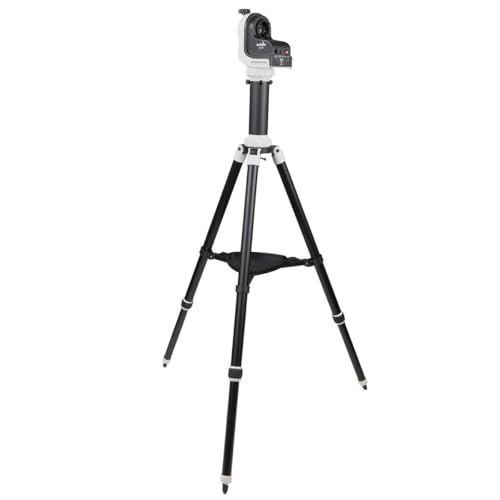
- 8.6 lb travel-friendly computerized alt-az mount
- WiFi app control with SynScan Pro compatibility
- Freedom Find encoders and included tripod/pier extension
Best For: Traveling observers who want a lightweight GoTo mount for visual astronomy and simple imaging.
Best for Imaging Stability
Celestron CGEM II Computerized Equatorial Mount
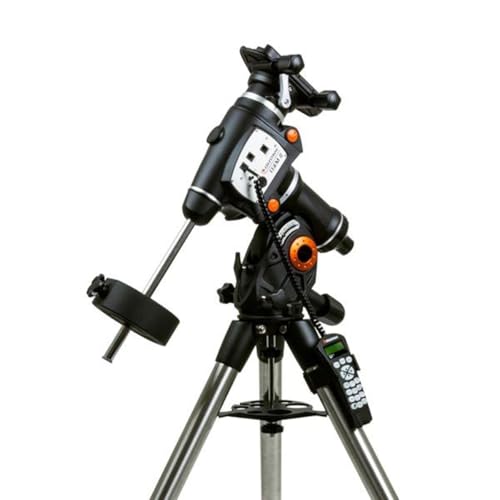
- 40 lb payload for larger telescope setups
- NexStar+ controller with 40,000+ object database
- Stable steel tripod with precise tracking
Best For: Astrophotographers and serious observers needing a stable, high-capacity computerized mount.
Best for Portable Astrophotography
Sky-Watcher Star Adventurer 2i Pro Pack
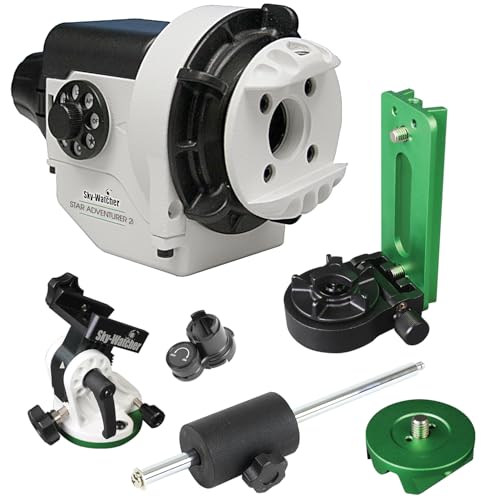
- Ultra-portable 2.4 lb tracking mount for travel
- Wi-Fi app control with SAM Console
- Great for Milky Way, panoramas, and time-lapse
Best For: DSLR shooters and travel astrophotographers who want a lightweight tracking mount for long exposures.
Best for Versatility
Sky-Watcher AZ-EQ5 Computerized GoTo Mount

- AZ, EQ, and dual-OTA modes expand setup options
- Quiet belt-driven motors for smooth GoTo tracking
- 30-lb payload and 42,900+ object database
Best For: Observers and imagers who want a highly flexible mount for multiple telescope configurations.
Best for Heavy Telescope Loads – Celestron Advanced VX Computerized Mount
For buyers comparing computerized telescope mounts, the Celestron Advanced VX stands out for handling heavier rigs while still offering the tracking and alignment tools needed for serious visual observing and entry-level imaging. Its 30 lb capacity, improved motors, and programmable PEC make it a practical step up when stability and smooth tracking matter.
Best For: Astronomers who need a portable equatorial mount that can support a larger telescope setup without giving up computerized tracking features.
Pros:
- 30 lb payload capacity suits many mid-size telescope and accessory combinations
- NexStar+ hand control includes a 40,000+ object database and multiple alignment options
- Sidereal, solar, lunar, EQ North, and EQ South tracking modes add flexibility
- Sturdy 2″ stainless steel tripod legs help reduce vibration during viewing
Cons:
- At 47 lbs total, it is not especially light for frequent transport
- More advanced than a beginner-only mount, so setup takes some learning
- Best performance depends on careful balancing and alignment
This is a strong pick among computerized telescope mounts if you want a mount that prioritizes stability, tracking control, and upgrade-friendly capacity over ultra-light portability. It is especially appealing for observers who expect to grow into heavier optical tubes or add imaging gear later.
Best for Portable GoTo Tracking – Sky-Watcher Star Adventurer GTi Mount Kit
If you want one of the most travel-friendly computerized telescope mounts for wide-field astrophotography, the Sky-Watcher Star Adventurer GTi kit is built to keep your rig compact without giving up GoTo accuracy. It combines a full GoTo EQ tracking mount head, built-in Wi‑Fi, polar scope illumination, and the included tripod, pier extension, and counterweight hardware for a ready-to-use portable setup.
Best For: Astrophotographers who want a lightweight, grab-and-go mount with GoTo control and solid polar alignment tools.
Pros:
- Compact full GoTo mount head with EQ tracking
- Built-in Wi‑Fi for wireless control
- Polar scope with illuminator helps speed alignment
- Includes tripod, pier extension, counterweight bar, and counterweight
Cons:
- Not aimed at heavier telescope setups
- Best suited to portable imaging rather than large visual rigs
This kit stands out among computerized telescope mounts when portability matters most, especially if you want an all-in-one package that reduces setup guesswork. It’s a smart fit for travelers and beginner-to-intermediate imagers who value convenience, tracking, and alignment aids over maximum payload capacity.
Best for Heavy-Duty Imaging – Celestron CGX German Equatorial Mount
If you need computerized telescope mounts that can carry a serious setup without feeling underbuilt, the Celestron CGX is designed for exactly that kind of workload. Its 55-lb payload capacity, motorized EQ design, and belt-driven servo system make it a strong fit for demanding visual observing and astrophotography.
Best For: Astrophotographers and advanced observers who want a sturdy, high-capacity GoTo mount for larger optical tubes and accessories.
Pros:
- 55-lb payload capacity suits heavier OTA and imaging gear
- High-torque servo motors with belt drive help support smooth tracking
- NexStar+ hand controller includes a 40,000-object database and guided tours
- Custom object filters add flexibility when planning observing sessions
Cons:
- Bulk and weight make it less portable than smaller mounts
- Overkill for beginners or lightweight grab-and-go use
- Costs more than entry-level computerized telescope mounts
For buyers comparing computerized telescope mounts by stability and carrying capacity, the CGX stands out as a serious step up. It’s best when you want a mount that can keep up with larger rigs and more ambitious observing goals.
Best Portable GoTo Mount – Sky-Watcher AZ-GTi Portable GoTo Mount
If you want computerized telescope mounts that are easy to carry but still bring GoTo tracking and app control, the Sky-Watcher AZ-GTi is a strong travel-friendly option. It combines a compact alt-az design with enough payload for many small telescope tubes and DSLR setups, making it useful for both observing and casual imaging.
Best For: Mobile astronomers and travelers who want a lightweight GoTo mount for visual observing, smartphone control, and simple photo work.
Pros:
- Only 8.6 lb, so it’s genuinely easy to pack and move
- WiFi and SynScan Pro app control make setup and operation convenient
- Freedom Find dual encoders let you slew manually without losing alignment
- Includes tripod, pier extension, and multiple power options for flexible use
Cons:
- 11 lb payload is best for smaller scopes and lighter imaging gear
- Alt-az design is less ideal for long-exposure astrophotography
For buyers comparing computerized telescope mounts, the AZ-GTi stands out for portability first and versatility second. It’s a practical choice if you want GoTo convenience, app-based control, and a setup that can double for time-lapse or panorama work without becoming bulky.
Best for Imaging Stability – Celestron CGEM II Computerized Equatorial Mount
Celestron CGEM II Computerized German Type Motorized Equatorial Mount with Tripod
Check Price On AmazonIf you want a serious option among computerized telescope mounts, the Celestron CGEM II is built for steady tracking, heavier optical tubes, and more demanding visual or astrophotography setups. Its German equatorial design, high payload rating, and computerized controller make it a practical step up from entry-level mounts.
Best For: Astrophotographers and advanced observers who need a stable, high-capacity mount for medium-to-large telescopes.
Pros:
- 40 lb payload capacity supports a wide range of telescope and imaging setups
- Low-cog servo motors and multiple tracking rates help keep targets centered
- NexStar+ controller includes a large object database and easy alignment routines
- Steel tripod adds stability and helps reduce vibration at higher magnifications
Cons:
- Heavier components make it less convenient for frequent carry-and-go use
- Overkill for beginners or very small telescopes
Overall, the CGEM II stands out for users who care more about stability, tracking accuracy, and mount capacity than compact size. Among computerized telescope mounts, it fits best in setups where performance matters more than portability.
Best for Portable Astrophotography – Sky-Watcher Star Adventurer 2i Pro Pack
If you want one of the most travel-friendly options in computerized telescope mounts, the Sky-Watcher Star Adventurer 2i Pro Pack is built for wide-field nightscape work, Milky Way tracking, and long-exposure imaging from a standard photo tripod. It gives DSLR shooters a compact way to follow the sky without carrying a full-size equatorial setup.
Best For: DSLR photographers, landscape astrophotographers, and travelers who need a lightweight tracking mount for long exposures, panoramas, and time-lapse.
Pros:
- Very portable at just 2.4 pounds, making it easy to pack for trips and dark-sky outings
- Wi-Fi app control adds convenient smartphone operation through Sky-Watcher’s SAM Console app
- Modular design works with existing tripods and supports wide-field astrophotography, time-lapse, and panoramas
- Deluxe equatorial base helps with polar alignment for more accurate tracking
Cons:
- Not a full-size computerized telescope mount for heavy telescope rigs
- Best suited to cameras and small optics rather than larger deep-sky setups
- Accessories may be needed to unlock its full equatorial mount functionality
For buyers comparing computerized telescope mounts, this stands out more as a portable tracking solution than a traditional observatory mount. It’s a strong pick if your priority is lightweight, precise star tracking for imaging rather than visual observing with a large telescope.
Best for Versatility – Sky-Watcher AZ-EQ5 Computerized GoTo Mount
If you want one of the more adaptable computerized telescope mounts for visual astronomy and astrophotography, the Sky-Watcher AZ-EQ5 stands out for its AZ, EQ, and dual-OTA flexibility. It combines a computerized GoTo system with quiet belt-driven motors and a sturdy all-metal build, making it a practical choice for observers who want tracking accuracy without giving up convenience.
Best For: Astronomers who want a versatile mount that can handle visual observing, equatorial tracking, and dual-telescope setups.
Pros:
- Works in alt-az, equatorial, and dual-OTA modes for maximum flexibility
- Quiet belt-driven stepper motors improve slewing smoothness and precision
- 30-pound payload capacity suits a wide range of common telescope setups
- SynScan controller includes a 42,900+ object database and GoTo control
Cons:
- Heavier and more expensive than entry-level mounts
- Advanced features may be more than casual beginners need
Overall, the AZ-EQ5 is a strong fit if you want computerized telescope mounts that can grow with your setup and support both observing and imaging workflows. It delivers real versatility without feeling like a compromise mount, especially for users who expect to upgrade optics over time.
How We Picked These Computerized Telescope Mounts
We focused on mounts that offer dependable GoTo performance, practical payload capacity, and broad compatibility with common observing and astrophotography setups. We also considered portability, included accessories, control options, and the type of user each mount best serves.
Quick Comparison
For visual observing, a lighter Alt-Az mount can be the easiest way to get started. For long-exposure imaging, a German equatorial mount with strong tracking and enough headroom for your telescope is usually the better choice. If you travel often, compact tracker-style mounts can be the most convenient.
Key Buying Factors for Computerized Telescope Mounts
Payload Capacity
Always buy with margin. A mount rated for your telescope is good; a mount with extra capacity is better, especially if you plan to add cameras, guidescopes, or heavier eyepieces later.
Tracking and GoTo Accuracy
Good Computerized Telescope Mounts should locate targets reliably and keep them centered with minimal drift. If astrophotography is the goal, tracking quality matters even more than raw speed.
Mount Type
Alt-Az mounts are often simpler and more portable, making them ideal for visual use and short sessions. Equatorial mounts are the standard for imaging because they follow the sky’s motion more naturally during long exposures.
Portability and Setup Time
Some mounts are designed to stay in an observatory or backyard setup, while others are made for travel. If you observe frequently from different locations, weight and assembly time can be decisive.
Control Options
Look at whether the mount uses a hand controller, app control, WiFi, or a mix of options. The best choice depends on whether you prefer a phone-based workflow or a physical controller in the field.
Who Should Buy Which Computerized Telescope Mounts?
Beginners who want simple visual observing should lean toward compact, easy-to-use mounts with straightforward GoTo operation. Traveling astrophotographers and DSLR users should look at lightweight tracker-style options. Intermediate and advanced users who want room to grow should prioritize sturdier German equatorial mounts with higher payload capacity and better stability.
If you expect to upgrade cameras, add accessories, or move to longer exposures, choose the most robust mount your budget can support. In Computerized Telescope Mounts, stability and headroom usually pay off more than extra features you may never use.