
Want a Christmas gift that turns curiosity into hands-on discovery? These 17 science-themed picks span astronomy, biology, chemistry, weather, and engineering.
Choose an activity to share, a tool for exploring outdoors, or a project a young scientist can build and revisit.
17 Christmas Science Gift Ideas Under $25 to Consider in 2026
Outdoor Observers

- Compact binoculars for carrying on nature outings
- 12x magnification and 25 mm objective lens
- A Christmas pick for exploring birds and the moon
Best For: Kids curious about birds, the moon, and outdoor exploring.
Microscope Explorers
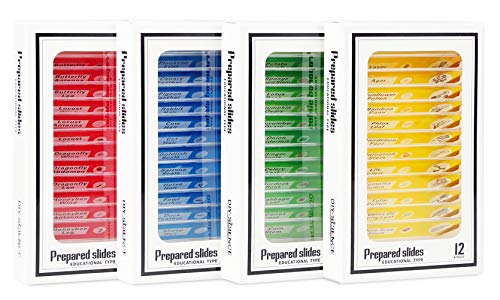
- Adds 48 prepared specimens to a microscope collection
- Includes labeled plant, insect, animal, and tissue slides
- A thoughtful Christmas add-on for hands-on biology learning
Best For: Microscope owners who want more specimens to explore.
Stargazers
Explore Scientific Double-Sided Planisphere

- Helps guide year-round sky explorations
- Double-sided design helps minimize distortion
- A practical Christmas gift for learning the night sky
Best For: Teens and adults learning to identify constellations.
Weather Watchers

- Combines tools for tracking wind, rain, and temperature
- Includes a 32-page guide with hands-on experiments
- Encourages outdoor observations and note-taking
Best For: Kids who like tracking weather and spending time outdoors.
Close-Up Discoveries
Carson MicroBrite Plus Pocket Microscope

- Portable microscope with built-in LED illumination
- Offers 60x to 120x magnification
- A Christmas-sized science companion for exploring small objects
Best For: Older kids and teens who like examining plants, fabrics, and tiny objects.
Slime Science
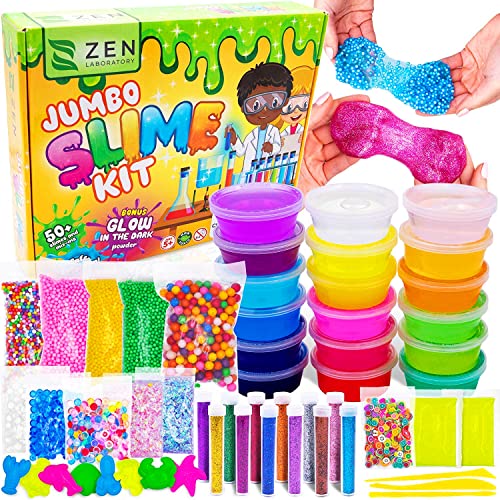
- Includes more than 50 slime-making supplies
- Features colorful slime, glitter, beads, and glow-in-the-dark powder
- Makes a hands-on Christmas activity for creative kids
Best For: Kids ages 8 and up who enjoy tactile experiments and colorful results.
Active Experimenters
Stomp Rocket Jr. Glow Launcher

- Includes seven glow-in-the-dark rockets and a launch stand
- Kid-powered play requires no batteries
- Turns stomping into a playful way to explore force and gravity
Best For: Kids ages 3 and up who enjoy active outdoor play and simple physics.
Crystal Collectors
4M Crystal Growing Experiment Kit

- Materials for seven crystal-growing experiments
- Includes a display case for finished crystals
- A Christmas project for kids curious about geology and chemistry
Best For: Kids ages 10 and up who like geology, chemistry, and display-worthy projects.
Solar Builders
Sillbird 12-in-1 Solar Robot Kit

- 190 parts support 12 build experiences
- Build options include a robot, car, or boat
- Introduces renewable energy through hands-on building
Best For: Kids ages 8 and up interested in renewable energy and building.
Science Show-And-Tell
National Geographic Magic Chemistry Set
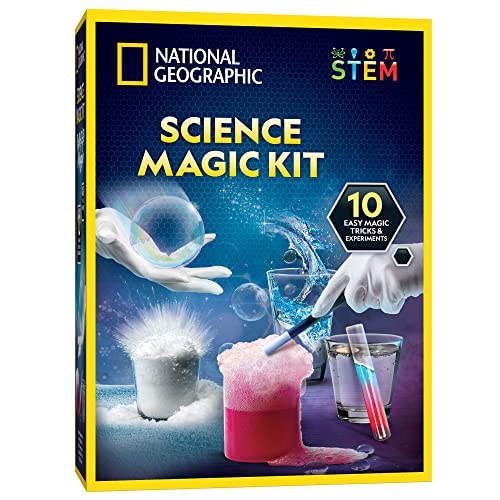
- Includes materials for 10 science experiments
- Magic wand, gloves, and illustrated experiment guide are included
- A Christmas gift that pairs demonstrations with science explanations
Best For: Kids ages 8–12 who enjoy science demonstrations and magic tricks.
Space Builders
LEGO Creator 3-in-1 Space Shuttle

- 144 pieces can be rebuilt into three space-themed models
- Build a shuttle, spaceship, or posable astronaut
- A Christmas choice for kids who enjoy space and construction toys
Best For: Kids ages 8 and up who enjoy space themes and construction toys.
A Glow-In-The-Dark Galaxy
4M Solar System Planetarium Kit
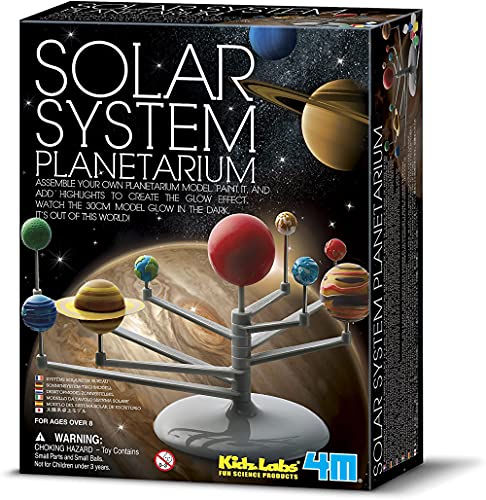
- Assemble and paint a model of the solar system
- Includes a glow paint pen, wall chart, and quiz questions
- A Christmas craft-and-science project for curious kids
Best For: Kids ages 8 and up who are curious about astronomy.
Budding Roboticists

- Build a scuttling mechanical crab
- Designed to introduce mechanical and robotic engineering concepts
- A hands-on Christmas project with easy-to-follow instructions
Best For: Kids ages 8 and up who enjoy building and simple robotics.
Tumbler Owners
National Geographic Rock Tumbler Refill Kit

- Includes a pound of rough stones in nine varieties
- Four grades of grit support the polishing process
- Jewelry settings and a learning guide add creative follow-up
Best For: Kids who already own a compatible rock tumbler.
Volcano Fans
National Geographic Ultimate Volcano Kit
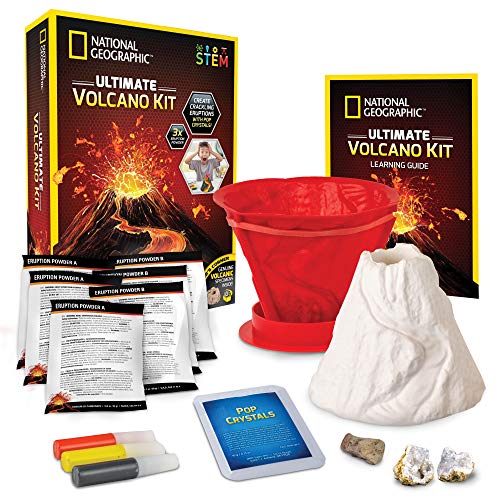
- Reusable volcano mold and eruption supplies support repeat experiments
- Includes pumice and a geode specimen
- Learning guide explores volcanoes and earth science
Best For: Kids ages 8–12 interested in rocks, volcanoes, and earth science.
Magnetism Fans
4M Anti-Gravity Magnetic Levitation Kit

- Hands-on activities explore magnetic force
- Experiments include floating a pencil and building a maglev
- A compact Christmas project for curious young engineers
Best For: Kids ages 8 and up fascinated by magnets and engineering.
Young Science Note-Takers
The Little Scientist’s Log Notebook

- 100 pages offer room for experiments, observations, and sketches
- Flexible prompts include materials, hypotheses, and conclusions
- A useful Christmas companion for home, classroom, or science club
Best For: Kids who like documenting observations and making their own experiments.
Christmas Science Gift Ideas Under $25: How to Choose
Christmas science gift ideas under $25 can suit very different interests, so start with what the child already likes to explore. A young astronomer may enjoy a star chart or a model of the solar system; a child who loves nature may prefer a pocket microscope, prepared slides, or binoculars. For a hands-on project, consider crystal growing, a volcano experiment, magnetic levitation, or a robot build. The best fit is the one that matches the child’s curiosity and the kind of activity they’ll enjoy doing.
Match the Activity to the Child
Check the age guidance in the product listing, then consider how much adult help may be welcome. Some options focus on observing and recording, while others ask children to assemble, experiment, paint, or launch. A log notebook can accompany many kinds of activities by giving a child space to note a question, sketch what they see, and record what happened. If the gift is for a family or classroom, think about whether it invites shared participation or works well as an individual project.
Think About Where It Will Be Used
Some science gifts make the most sense indoors, such as a chemistry set, a crystal experiment, or a building kit. Others invite outdoor observation: a weather station can help a child track conditions, and a planisphere can guide a look at the night sky. A glow rocket launcher is designed for outdoor play, so consider whether there is a suitable open space available. The setting can help narrow the choice as much as the topic does.
Budget Considerations for Christmas Science Gifts
With a strict budget of under $25, compare the complete gift’s observed price before buying and confirm it remains below your limit at checkout. Prices can change, and a product’s appearance in a budget roundup does not guarantee its current price. Also check what is included. Some kits list the parts and instructions needed for their activities, while others mention an additional item, such as a battery or small screwdriver, that may be needed separately. A refill kit, for example, is intended to go with a rock tumbler, so it may not be a standalone choice if the recipient does not already have one.
Think about the value of repeat use, too. A journal, viewing tool, or astronomy chart can support many observations over time. An experiment kit may offer a more structured activity with a clear starting point. Neither style is automatically better: choose according to how the child prefers to play and learn.
Personalization Tips for a Thoughtful Christmas Gift
Make a science gift feel personal by connecting it to a genuine interest. Pair an astronomy-themed present with a plan to identify stars together, or add a handwritten note inviting the child to record weather observations in a journal. For a budding builder, write a small challenge—such as sketching a new idea after completing a model. These gestures add meaning without changing the gift or relying on extra supplies.
You can also tailor the wrapping and note to the recipient’s favorite subject. A simple message about what you hope they’ll discover can make a practical kit feel considered. If the child enjoys showing what they learn, invite them to share a drawing, observation, or explanation after trying the activity.
Last-Minute Christmas Buying Advice
Before ordering, verify the listing’s current price, age guidance, included components, and any separately needed supplies. Review the delivery estimate shown by the retailer for your location, since timing can vary. If shipping may not arrive in time, a printed card describing the science activity you plan to do together can serve as a festive placeholder, but avoid promising a specific arrival date.
For a quick decision, use three checks: does the subject interest the child, is the activity suitable for their age and setting, and does the complete purchase stay under budget? That simple filter can help you choose from these Christmas science gift ideas with confidence and give a curious young learner something engaging to explore.