
Looking for a gift that turns numbers and shapes into play? These picks bring together tactile puzzles, family games, and books for a range of ages and solving styles.
Each listed item has an observed price below $25, with ideas for young learners, seasoned puzzle fans, and anyone who enjoys a screen-free challenge.
11 Christmas Math Puzzle Gift Ideas Under $25 to Consider in 2026
Shape-Shifting Desk Challenge
Shashibo DODECA Magnetic Puzzle Cube

- Transforms into more than 100 possible shapes for open-ended geometric play.
- A quiet, screen-free fidget activity for home, school, or a desk.
- Recommended for ages 8 and up; connects with other Shashibo cubes.
Best For: A teen or adult who enjoys tactile shape challenges and desk fidgets.
Family Math Game
Classic Shut the Box Dice Game

- Number-and-dice play brings quick mental-math challenges to a group.
- Designed for up to six players and recommended for ages 6 and up.
- A portable game option for family gatherings, classrooms, or travel.
Best For: Families or groups looking for a simple shared number game.
Geometric Fit Puzzle
BSIRI Wooden Pentominoes Puzzle
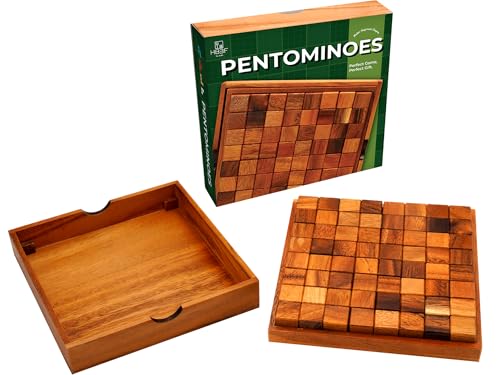
- Interlocking pentomino shapes create a fit-and-arrange challenge.
- The set includes puzzle pieces and a wooden box.
- Its compact tray format suits a desk, coffee table, or travel bag.
Best For: A puzzle fan interested in geometry, tiling, and spatial reasoning.
Early Math Learning Set
Numberblocks Blockzee Balance Activity Set

- Includes 61 MathLink Cubes for building Numberblocks One to Ten.
- The balance indicates greater than, less than, and equal to as cubes are added.
- Ten double-sided activity cards offer 20 math activities; recommended for ages 3 to 6.
Best For: A young learner exploring number comparisons and early arithmetic with an adult.
Hands-On Pattern Play
SpriteGru Wooden Pattern Blocks Set
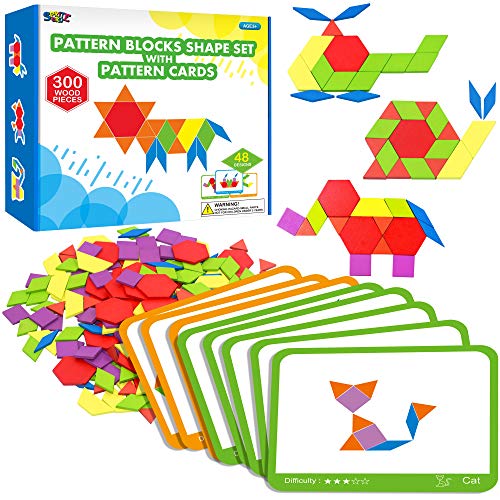
- Includes 300 wooden blocks in several geometric shapes.
- Twenty-four double-sided design cards provide 48 patterns to try.
- A storage bag and gift box are included for keeping the set together.
Best For: A child who enjoys shapes, patterns, and hands-on learning.
Arithmetic Grid Puzzles
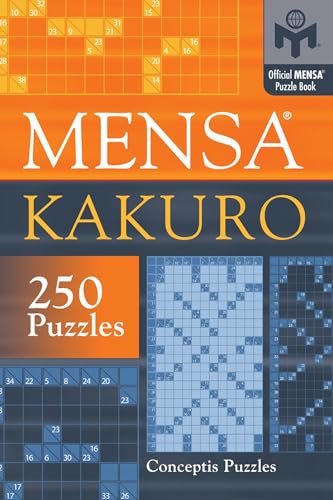
- Contains 250 Kakuro puzzles that combine sums with crossword-style grids.
- Players fill entries with digits 1 through 9 without repeats in each run.
- Puzzles begin simply and become more difficult as the book progresses.
Best For: Someone who enjoys arithmetic and crossword-style deduction.
Classic Tangram Challenge
Tangram Wooden Puzzle with 48 Silhouettes

- Seven pieces can be arranged to solve silhouette challenges.
- Includes a wooden box and a 20-page challenge booklet.
- Designed for tabletop play and recommended for ages 12 and up.
Best For: A child, teen, or adult who enjoys geometry and visual problem-solving.
Geometric Origami Book
The Complete Book of Origami Polyhedra

- Explains modular origami using folded paper units assembled without glue or tape.
- Features 64 geometric models, including stars, cubes, and boxes.
- The book is recommended for experienced folders and up.
Best For: A creative math fan who enjoys folding and building geometric forms.
KenKen Puzzle Collection

- Collects 500 KenKen puzzles ranging from easy to hard.
- Includes large grids with room for solving in the book.
- Edited by New York Times crossword editor Will Shortz.
Best For: A student or adult who likes calculation and logical reasoning.
Variety Math Puzzle Book
Brain Workout: 500 Math and Logic Puzzles

- Offers 500 puzzles across 10 math-related types.
- Rules and a solving example are provided for each puzzle type.
- Includes a sum cheat sheet and complete solutions.
Best For: An adult or older student who likes varied numerical brain teasers.
Sudoku for Quiet Breaks

- Includes over 540 puzzles across four difficulty levels.
- Solutions are included, with challenges ranging from warm-ups to Samurai Sudoku.
- The spiral-bound format is designed to lay flat for solving at home or on the go.
Best For: A number-puzzle fan who likes solving puzzles on paper.
Christmas Math Puzzle Gift Ideas Under $25
Christmas math puzzle gift ideas under $25 can suit a wide range of people, from preschoolers learning to compare numbers to adults who like filling a grid or building a geometric shape. The right choice depends less on finding the hardest puzzle and more on matching the format, challenge level, and social setting to the recipient.
How to Choose the Right Gift
Start with how the person likes to solve problems. A tactile learner may enjoy moving pieces, transforming a puzzle, or balancing cubes. Shape-based options can make geometry feel hands-on: pattern blocks and tangrams invite players to arrange forms, while pentominoes focus on fitting pieces into a larger design. For someone who likes quick rounds with other people, a dice-and-number game offers a shared activity and mental-math practice.
Books are a good fit for recipients who prefer working independently or returning to a puzzle whenever they have a spare moment. Look at the kind of thinking each title involves. Kakuro combines sums with crossword-like grids; KenKen and mixed math puzzle collections involve calculation and logic; Sudoku focuses on number placement. Some collections include a range of difficulty, rules, examples, or solutions, which can help a recipient choose a comfortable starting point and work up to tougher challenges.
Match the Challenge to the Recipient
Check the listed age guidance where it is provided, then consider experience. A young child may benefit from a guided activity set with cards and manipulatives, while an older student might prefer a puzzle book or a more open-ended shape challenge. Adults who already enjoy logic puzzles may appreciate variety or a large collection. If you are unsure, choose a format that offers more than one way to engage, such as pieces that can be arranged freely or puzzles that progress in difficulty.
Budget Considerations for Math Puzzle Gifts
Every complete gift on this list has an observed price below $25. Within that range, think about what the recipient gets to do rather than comparing gifts only by piece or puzzle count. A book can provide many individual challenges, while a physical set may encourage repeat play, experimentation, or a game shared with family. Activity cards, a storage box, or included solutions can also make a format more convenient to start and revisit.
Prices can change, so check the current listing before buying and confirm that the selected item and any included components suit your needs. Keep the overall gift plan simple: one well-matched puzzle can be more satisfying than several options that do not fit the recipient’s interests.
Personalization Tips
Make the gift feel personal by pairing it with a short note about why you chose that style: a geometry fan might enjoy a shape-building challenge, while a daily puzzle solver may prefer a book with many grids. You can also tailor the presentation to the person’s habits. For a family member who likes game night, suggest opening the game during a get-together. For someone who enjoys quiet breaks, write a note inviting them to try a first puzzle over coffee or during downtime.
For younger recipients, a parent or teacher can join in and turn the activity into a shared learning moment. For independent solvers, a simple bookmark or handwritten challenge invitation can add a thoughtful touch without changing the gift itself.
Last-Minute Buying Advice
Before ordering, verify the recipient’s age and preferred puzzle style, then review the listing for the exact title and included pieces or book format. If the gift needs to arrive by a particular date, use the retailer’s current delivery estimate rather than assuming timing. When uncertain between two choices, favor the one that is easiest to begin: clear rules, examples, challenge cards, or solutions can reduce setup and help the recipient enjoy it sooner.
A math puzzle gift can offer a practical mix of play, concentration, and discovery. Choose a format that fits the person’s age and interests, and the gift is more likely to become part of a relaxing holiday routine or an ongoing favorite pastime.