
Looking for a science-minded Christmas gift? These biology kits and learning activities make it easy to explore cells, anatomy, insects, and plant growth at home.
Find ideas for different ages and interests, including hands-on projects, reference materials, and tools for budding naturalists.
11 Christmas Biology Kit Gift Ideas Under $50 to Consider in 2026
A Root-Growth Discovery
Kids’ Root Viewer Plant-Growing Kit

- Watch roots grow through the transparent planter.
- Includes seeds, soil, stickers, and a guide.
- A hands-on Christmas gift that introduces botany.
Best For: Children and beginners curious about plant growth.
A Microscope-Slide Refill
100 Microscope Slides and 200 Coverslips

- Stock up for plant-cell, pond-water, or insect observations.
- Pre-cleaned slides have ground edges and clipped corners.
- A practical Christmas add-on for an existing microscope.
Best For: Students or hobbyists who already own a microscope.
An Animal-Cell Build

- Assemble a cell model from 26 detachable parts.
- Includes a display platform and illustrated guide.
- The guide adds anatomy descriptions and quiz questions.
Best For: Students learning animal-cell structure through a hands-on activity.
A Plant-Cell Build
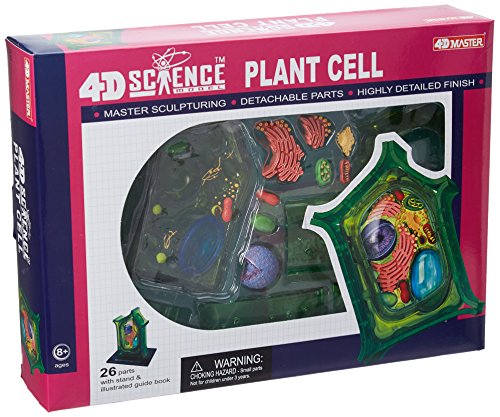
- Explore plant-cell parts with 24 detachable pieces.
- Includes a display platform and illustrated assembly guide.
- A hands-on Christmas gift for learning cell anatomy.
Best For: Students interested in plant-cell structure.
A First Microscope Adventure
Wow in the World Kids’ Microscope & Biology Kit

- Offers 80x, 360x, and 720x magnification with LED illumination.
- Includes prepared plant and animal slides plus tools for preparing specimens.
- Companion audio content adds a family science listening activity.
Best For: School-age beginners ready to explore specimens at home.
A Removable-Organ Anatomy Model
Human Torso Model with 15 Removable Parts

- Take apart and place organs in the torso model.
- Includes brain, heart, lungs, stomach, and other organs.
- A hands-on Christmas gift for exploring body anatomy.
Best For: Students interested in how body organs fit together.
A Book of Biology Experiments
Biology for Every Kid: 101 Easy Experiments

- Features 101 experiments about living organisms.
- Activities include materials, steps, expected results, and explanations.
- A book-led Christmas activity for home or classroom.
Best For: Readers ages 8–12 who enjoy guided biology activities.
A Four-Specimen Insect Set
Celestron Real 3D Insect Specimen Set

- Includes a scorpion, cicada, orb-weaver, and leaf beetle preserved in resin.
- Observe the specimens from different angles.
- Pairs with a microscope for closer study.
Best For: Young biology learners curious about insects and arthropods.
A Mushroom-Growing Experiment
Back to the Roots Mini Mushroom Grow Kit

- Grow oyster mushrooms indoors with the included kit and booklet.
- The instructions call for misting twice a day.
- A Christmas gift that combines growing with everyday observation.
Best For: Older teens and adults curious about fungi and indoor growing.
A DIY Terrarium Project

- Includes moss, soil, vermiculite, pebbles, plant food, and finishing tools.
- Add your own container and plants to build a terrarium.
- Miniature dinosaurs and care guides round out the project.
Best For: Plant lovers who enjoy building small indoor environments.
A Brain-Anatomy Puzzle
Brain Model & Functional Areas Puzzle
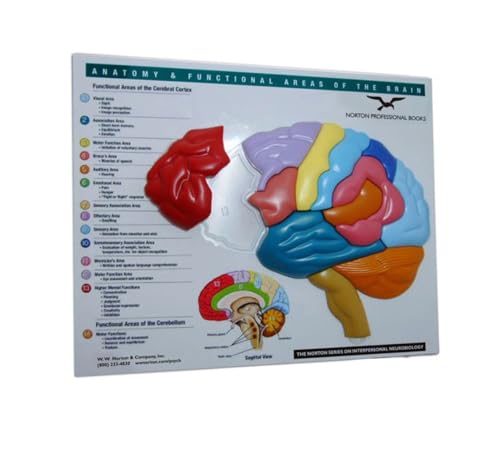
- Explore major brain areas with color-coded removable pieces.
- Puzzle-solving makes this an interactive anatomy activity.
- A Christmas gift for a shelf or study space.
Best For: Teens and adults fascinated by brain anatomy and neuroscience.
Christmas Biology Kit Gift Ideas Under $50: How to Choose
Christmas biology kit gift ideas under $50 can suit children who like building, observing, reading, or growing things. Start with the recipient’s age, patience, and preferred way to learn. A microscope kit invites close observation, while cell models and anatomy puzzles make structures easier to explore by assembling or handling parts. Books can work well for a reader who enjoys following experiments at their own pace.
Think about whether the gift will be used independently or with an adult. Some projects involve small parts or specimen preparation, so check the product’s age guidance and consider how much help the child may need. A grow kit can make biology part of a daily routine, while a specimen set or model can be revisited without waiting for something to grow.
Match the Gift to Their Biology Interests
For a young learner fascinated by plants, a root viewer, mushroom-growing kit, or terrarium supplies can connect biology with visible change and care. A microscope and slides can appeal to someone eager to examine tiny details. For learners drawn to the human body, a removable-parts torso model or brain puzzle offers a tactile way to explore anatomy. Cell models provide another hands-on option for understanding how plant and animal cells are organized.
Consider the space available, too. A microscope or model needs a place to use or display it, while a book is easy to store. Growing projects may need a suitable spot and regular attention. Choosing around the recipient’s interests and everyday setting makes the gift more likely to become an activity they enjoy.
Budget Considerations
With a strict under-$50 budget, compare the complete gift’s price before choosing. The listed products cover different kinds of value: some combine multiple components, while a book or individual model may focus on one subject. Think about what is included and what the recipient may already have. For example, microscope slides are most useful when there is a compatible microscope available, and a terrarium starter kit calls for a container and plants of the recipient’s choosing.
A gift does not need to be elaborate to feel thoughtful. Choose a format that fits the person rather than adding items they may not use. If you are comparing options, include any supplies or equipment needed to get started in your budget, and verify the current price before purchasing.
Personalization Tips for a Biology Gift
Personalize the choice around a specific curiosity: plant roots, fungi, insects, cells, or human anatomy. A child who likes to build may enjoy a model or puzzle, while someone who asks questions about nature may prefer a book or observation activity. For a family gift, consider whether several people can take part together, such as assembling a model or tending a growing kit.
You can also make the presentation personal with a short note that names a shared activity, such as observing a specimen together or recording plant growth. Keep the note specific to what the gift supports, without promising a particular result. For kits with instructions or guides, mention that these can help the recipient get started.
Last-Minute Christmas Buying Advice
When time is short, prioritize a gift that is straightforward to understand and fits the recipient’s interests. Books and models do not require a growing period, while kits may involve setup, regular care, or additional items. Read the listing carefully to see what is included, review age guidance where provided, and check whether you already have any equipment the activity calls for.
Before ordering, confirm the current price and availability, along with the seller’s estimated arrival information. Delivery timing can change, especially during the Christmas season, so avoid relying on a general promise that a gift will arrive by a particular date. If shipping timing is uncertain, choose an option available from a seller with a delivery estimate that works for your plans, or give a printed note describing the activity you selected.
The best biology gift is one that meets the learner where they are: an inviting first look through a microscope, a model they can assemble, a book of experiments, or a project that brings plant science into the home. Match the activity to their interests, check what it requires, and your Christmas choice can encourage curiosity long after the wrapping is opened.