
Finding the right guide camera can make telescope alignment, tracking, and planetary imaging far easier without pushing your equipment budget too high. The best options under $500 range from simple USB eyepiece cameras to higher-resolution color models and wireless electronic eyepieces.
This roundup compares ten affordable cameras and guide-scope options, focusing on sensor performance, telescope fit, software connectivity, and the type of observing or imaging each setup supports.
Best 10 Telescope Guide Cameras Under 500 Picks for 2026
Best Dedicated Guide Camera

- Sensitive 1.23MP color CMOS sensor
- ST4 interface and broad software compatibility
- Compact 1.25-inch design for guide scopes or OAGs
Best For: Dedicated autoguiding and occasional planetary imaging
Best Guide Scope Package
Astromania 70mm 400mm Guide Scope
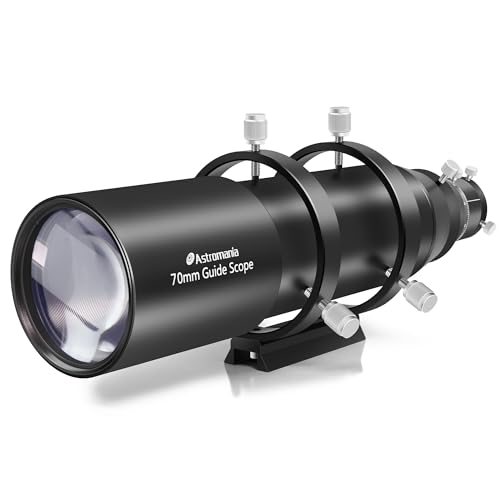
- Wide-field 70mm aperture and 400mm focal length
- Precise double-helical focusing mechanism
- Includes rings and Synta-style mounting plate
Best For: Building a complete guide-scope setup around a separate camera
Best Beginner Camera
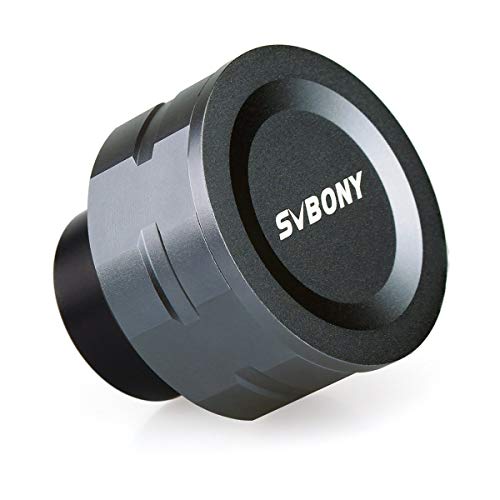
- Plug-and-play USB telescope camera
- 1080p video at up to 30 frames per second
- 1.25-inch barrel with filter thread
Best For: Beginner lunar, planetary, and terrestrial imaging
Best High-Resolution Video

- 7.05MP IMX415 color sensor
- USB 3.0 and up to 30 fps at 1080p
- 1.25-inch barrel for direct telescope connection
Best For: High-resolution lunar and planetary video capture
Wireless 4K Pick
Telonixium 4K Telescope Camera

- 8MP sensor with 4K video recording
- 2.8-inch screen and WiFi remote viewing
- Fits 23mm–60mm eyepieces
Best For: Beginners seeking wireless observation and recording
Planetary Imaging Pick

- IMX662 color sensor for planetary imaging
- ROI, binning, and SharpCap capture modes
- 1.25-inch astronomy interface with CS-C adapter
Best For: Entry-level planetary astrophotography and EAA
Easy WiFi Value

- 4MP imaging with 2K video at 30fps
- WiFi phone control and live viewing
- Fits 25mm–50mm eyepieces
Best For: Casual observers wanting simple phone-based imaging
Best Planetary Detail

- 1.45μm IMX715 color sensor for planetary detail
- USB 3.0 transfer up to 45.5 fps at full resolution
- Supports SharpCap, AstroDMX Capture, and NINA
Best For: Computer-based planetary imaging
Best Wireless Starter
Andoer WiFi Electronic Eyepiece
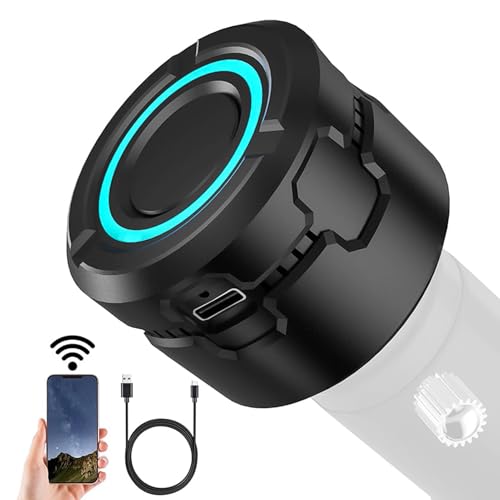
- Wireless live viewing through a smartphone or tablet
- Fits telescopes with a 1.25-inch barrel
- Built-in 1600mAh battery with USB-C charging
Best For: Beginner-friendly portable telescope viewing
Best Dedicated Guide Camera – SV905C 1.23MP Guide Camera
For shoppers comparing telescope guide cameras under 500, the SVBONY SV905C is a compact option designed specifically for autoguiding and planetary imaging. Its sensitive color CMOS sensor, small pixels, ST4 interface, and broad software compatibility make it a practical fit for a computer-guided setup.
Best For: Autoguiding with a guide scope or off-axis guider, especially when compatibility with PHD2, NINA, MDL, or similar software matters.
Pros:
- 1.23MP 1280×960 color CMOS sensor with 3.75-micron pixels.
- High peak QE and low read noise support tracking on faint guide stars.
- Includes USB 2.0 and ST4 guide interfaces and fits standard 1.25-inch setups.
- CS interface and CS-C adapter ring add lens-mount flexibility.
Cons:
- Not compatible with ASI AIR.
- USB 2.0 is less modern than faster camera interfaces.
The SV905C is the most purpose-built guide-camera choice in this group. Choose it when autoguiding performance and software connections are more important than high-resolution planetary video.
Best Guide Scope Package – Astromania 70mm 400mm Guide Scope
Among telescope guide cameras under 500, a guide scope can be just as important as the camera itself. This Astromania model combines a 70mm objective, 400mm focal length, helical focusing, tube rings, and a mounting plate to provide a wide-field platform for an autoguiding camera.
Best For: Astrophotographers who need a complete guide-scope setup that can also serve as a visual finder.
Pros:
- Wide-field 70mm, 400mm optics help present numerous potential guide stars.
- Helical worm focuser provides precise adjustment and helps prevent camera rotation.
- Accepts 1.25-inch eyepieces and autoguiding cameras.
- Includes matching pipe clamps and a Synta-style mounting plate.
Cons:
- At 2.5 pounds, it adds substantial weight to a telescope setup.
- Manual focusing requires adjustment and locking of the drawtube.
- This is a guide scope rather than a camera, so a separate guide camera is needed.
This is a strong foundation for a guide-camera system rather than a standalone imaging device. Its wide field and included mounting hardware make it useful for users building a traditional guide-scope arrangement.
Best Beginner Camera – SV105 IMX307 Planetary Camera
For beginners browsing telescope guide cameras under 500, the SVBONY SV105 offers a straightforward way to start electronic astronomy imaging. It uses a 1.25-inch format, connects over USB 2.0, and records lunar, planetary, and terrestrial views at up to 30 frames per second.
Best For: Beginners who want simple lunar and planetary imaging from a Windows, Linux, Android, or macOS computer.
Pros:
- Plug-and-play design with no driver required.
- 1/2.8-inch IMX307 color sensor records up to 1920×1080 at 30 fps.
- Standard 1.25-inch barrel includes an M28.5×0.6 filter thread.
- Supports commonly available capture software for several operating systems.
Cons:
- Designed primarily for lunar, planetary, and terrestrial imaging rather than dedicated deep-sky guiding.
- USB 2.0 limits connection speed.
- Compatible with Apple laptops running macOS, but not Apple phones or tablets.
The SV105 is an accessible entry point for computer-based telescope imaging. It is better suited to bright targets and beginner experimentation than to a specialized autoguiding workflow.
Best High-Resolution Video – SV205 7.05MP IMX415 Camera
For buyers comparing telescope guide cameras under 500 who also want detailed video, the SVBONY SV205 offers a 7.05MP IMX415 color sensor and USB 3.0 connectivity. Its 1.25-inch format is designed for direct telescope connection, with recording options ranging from fast 2K video to higher-resolution uncompressed output.
Best For: Lunar and planetary imaging where higher resolution and faster USB transfer are more valuable than a dedicated guide-camera feature set.
Pros:
- 7.05MP IMX415 color sensor with 1.45-micron pixels.
- USB 3.0 cable supports fast video capture and transfer.
- Records up to 30 fps at 1920×1080 in MJPG mode.
- Compact 1.25-inch machined-aluminum adapter barrel connects directly to many telescopes.
Cons:
- Focused on lunar and planetary imaging rather than dedicated autoguiding.
- Requires a suitable adapter if the telescope does not accept a 1.25-inch eyepiece interface.
- Manual focusing is required.
The SV205 is the resolution-focused option here. It makes sense for recording detailed bright-target video, but users seeking a purpose-built autoguiding camera should look for features such as an ST4 interface and guide-software support.
Wireless 4K Pick – Telonixium 4K Telescope Camera
If you want a flexible option among telescope guide cameras under 500, this Telonixium model combines 4K video, wireless viewing, and a built-in screen. Its universal locking groove fits eyepieces from 23mm to 60mm, though its manual focus and general-purpose design may suit casual observation better than specialized guiding.
Best For: Beginners who want wireless lunar, planetary, wildlife, or microscope imaging with an integrated display.
Pros:
- 8MP sensor supports 4K video and high-resolution image capture.
- Rotatable 2.8-inch IPS screen provides immediate electronic viewing.
- WiFi supports remote viewing on up to two devices within 32 feet.
- Includes a 2000mAh battery, time-lapse features, and support for microSD cards up to 512GB.
Cons:
- Manual focus requires user adjustment.
- The broad eyepiece mounting range does not replace a dedicated astronomy guiding interface.
This is a feature-rich choice for convenient recording and sharing. Choose it when an onboard screen and app control matter more than astronomy-specific capture workflows.
Planetary Imaging Pick – SVBONY SV305C Camera
For shoppers comparing telescope guide cameras under 500 for planetary work, the SVBONY SV305C is the most astronomy-focused option here. Its 2.1MP IMX662 color sensor, ROI controls, binning, and SharpCap shooting modes are designed around lunar, planetary, and electronically assisted astronomy imaging.
Best For: Entry-level astrophotographers who want a computer-connected color camera for planetary imaging and EAA.
Pros:
- IMX662 sensor offers low readout noise, improved near-infrared sensitivity, and no glow.
- ROI and BIN2*2 modes can improve capture speed or sensitivity for selected targets.
- SharpCap modes support quick planetary and long-exposure setup.
- Uses a 1.25-inch astronomy interface and includes CS-C compatibility.
Cons:
- Its 2.1MP resolution is lower than the other cameras in this roundup.
- Requires a computer-based workflow rather than an integrated viewing screen.
- The supplied notes identify USB 2.0 connectivity, which may limit transfer speed.
The SV305C is the strongest match when astronomy-specific controls matter more than wireless convenience. Its feature set is better aligned with serious planetary capture than with simple phone-based viewing.
Easy WiFi Value – dgtenk EP907 Eyepiece Camera
This dgtenk model is a practical contender among telescope guide cameras under 500 for users who prefer simple wireless operation. It mounts to 25mm–50mm eyepieces, records 2K video, and connects to a phone through its built-in WiFi hotspot and companion app.
Best For: Casual observers, families, and beginners who want phone-based lunar, planetary, microscope, or bird-watching images.
Pros:
- 4MP sensor supports photos up to 24MP and 2K video at 30fps.
- WiFi enables remote control, live viewing, and phone downloads.
- 1500mAh battery provides up to four hours of photo shooting.
- Includes a 32GB TF card plus interval-shooting and time-lapse functions.
Cons:
- Its 25mm–50mm compatibility is narrower than the Telonixium camera’s range.
- Uses a phone app workflow and does not include a built-in viewing screen.
- Automatic focus specifications may provide less hands-on control for advanced imaging.
The EP907 emphasizes accessibility and quick sharing rather than advanced astronomy controls. It is a sensible value pick for straightforward wireless viewing with compatible eyepieces.
Best Planetary Detail – SVBONY SC715C IMX715 Camera
For shoppers comparing telescope guide cameras under 500, the SVBONY SC715C is a focused planetary-imaging option with a small-pixel IMX715 color sensor. It supports 4K-resolution detail, fast USB 3.0 transfer, and popular astronomy software, but requires a computer and your telescope’s focuser.
Best For: Planetary imaging and high-resolution video capture from a computer-based astronomy setup.
Pros:
- 1.45μm pixels and an IMX715 sensor are designed for detailed planetary images.
- USB 3.0 supports up to 45.5 frames per second at full resolution.
- Works with SharpCap, AstroDMX Capture, and NINA.
- Includes an ST4 autoguider interface and lightweight 147g body.
Cons:
- Not compatible with smartphones; dedicated download software is required.
- Has no built-in focus adjustment, so focusing depends on the telescope’s focuser.
- Its feature set is more specialized for planetary capture than casual viewing.
The SC715C is a strong choice when detail, frame rate, and software control matter most. It is less convenient for phone-first users, but its low-noise sensor, cache, and guiding connection suit more advanced planetary workflows.
Best Wireless Starter – Andoer WiFi Electronic Eyepiece
Among telescope guide cameras under 500, the Andoer WiFi Electronic Eyepiece offers a simple, portable way to view and record through a 1.25-inch telescope. Its wireless connection sends live views to a smartphone or tablet, making it approachable for beginners and convenient for travel.
Best For: Beginners who want wireless telescope viewing, basic recording, and a compact travel setup.
Pros:
- Connects directly to smartphones and tablets over WiFi for live viewing.
- Supports image capture and video recording without a wired computer connection.
- Built-in 1600mAh rechargeable battery charges through USB-C.
- Compact, lightweight design is suitable for travel and bird watching.
Cons:
- Designed for telescopes with a 1.25-inch barrel.
- The supplied notes do not specify sensor resolution or advanced guiding features.
- Requires a compatible smartphone or tablet for wireless viewing and control.
The Andoer emphasizes ease of use rather than advanced imaging controls. Choose it for convenient wireless observation and casual capture, especially if portability and phone compatibility are higher priorities than detailed planetary processing.
Best Phone-Controlled Recording – NEEWER LS-T22 WiFi Eyepiece
For buyers evaluating telescope guide cameras under 500, the NEEWER LS-T22 combines a 1.25-inch electronic eyepiece with a built-in WiFi hotspot and phone app control. It records 1080p video at 60fps and offers photo, video, and time-lapse modes, though it needs a TF card for storage.
Best For: Smartphone-controlled skywatching, recording, and sharing through a compatible telescope or spotting scope.
Pros:
- Integrated WiFi hotspot enables real-time viewing and control from a phone.
- 2MP sensor supports 1080p video at 60fps and still images up to 16MP.
- App provides exposure, ISO, zoom, white balance, and other image settings.
- 1900mAh battery offers up to four hours of recording after a full charge.
Cons:
- Requires a telescope or spotting scope and is not a standalone lens.
- A TF card is required for photo and video storage and is sold separately.
- The phone cannot access the internet while connected to the eyepiece hotspot.
The LS-T22 is a practical pick for users who want app-based control and straightforward video capture. Its recording modes and adjustable settings add flexibility, while the separate storage requirement is worth including in the setup budget.
How We Picked the Best Telescope Guide Cameras Under 500
We focused on cameras and compatible guiding equipment priced below $500, prioritizing useful specifications rather than headline resolution alone. Our comparison considers sensor size and type, pixel size, stated video resolution, mounting format, connection options, and suitability for guiding, planetary imaging, or general electronic observing.
We also looked for practical flexibility. A camera that fits a standard 1.25-inch focuser, supports a common USB connection, or offers dependable Wi-Fi may be more useful than a higher-resolution model with limited compatibility. Because included software and operating-system support can vary, buyers should confirm current requirements before ordering.
Quick Comparison
| Best for | What to prioritize | Models to consider |
|---|---|---|
| Basic autoguiding | Sensitive sensor, low latency, USB compatibility | SV905C, SV105, NEEWER 2MP |
| Planetary imaging | Color performance, frame rate, small pixels | SV305C, SC715C, SV205 |
| Wireless viewing | Wi-Fi hotspot, app support, rechargeable operation | Andoer, 4K Wireless, WiFi 4MP |
| Longer focal-length setups | Stable focusing and a properly matched guide scope | Astromania 70mm guide scope |
Key Buying Factors for Telescope Guide Cameras Under 500
Sensor Sensitivity and Pixel Size
For guiding, sensitivity is often more important than maximum megapixels. A camera that produces a clean, responsive image can help guiding software identify stars more reliably. Smaller pixels may provide finer sampling, while larger pixels can collect more light; the best balance depends on your guide scope and focal length.
Mounting and Telescope Compatibility
Most products in this group use a 1.25-inch eyepiece-style barrel, but verify the actual diameter, back focus, and adapter requirements. A guide camera also needs a suitable guide scope or off-axis guider. A wide-field guide scope can simplify star acquisition, while a longer focal length may improve calibration precision for some mounts.
Connection, Software, and Power
USB cameras generally offer a direct connection and are often the better choice for computer-controlled guiding. Wireless models are convenient for casual viewing and mobile setups, but app compatibility, Wi-Fi range, battery life, and video latency matter. Check whether your preferred guiding or capture software recognizes the camera before buying.
Guiding Versus Imaging Features
High resolution and 4K recording are attractive for lunar and planetary work, but they do not automatically make a camera ideal for autoguiding. If guiding is the priority, favor responsiveness, driver support, and low-light performance. If you want one camera for multiple roles, choose a model with dependable USB operation and a useful color sensor.
Who Should Buy Which Telescope Guide Cameras Under 500?
Choose a basic USB guide camera if you want reliable computer-assisted tracking at the lowest practical cost. Consider a higher-resolution color camera if planetary imaging or lunar video is equally important. Wireless eyepiece cameras suit observers who prefer viewing on a phone or tablet and do not need the lowest possible guiding latency. Finally, pair a dedicated guide camera with the Astromania 70mm guide scope when you need a complete, stable guide-scope arrangement rather than an eyepiece camera alone.