
Choosing among the best stereo microscopes for gemstones means balancing three priorities: three-dimensional detail, comfortable viewing, and enough working distance to handle stones without constantly repositioning them.
This roundup includes binocular and trinocular optical microscopes, digital HDMI and 4K models, portable scopes, and beginner-friendly kits. Use the buying guide below to match magnification, lighting, camera features, and ergonomics to your gemstone work.
Best 10 Stereo Microscopes for Gemstones Picks for 2026
Best Classic Optics
AmScope SE306R-PZ Stereo Microscope

- 20X, 40X, and 80X settings
- Binocular widefield optical glass
- Top and bottom illumination
Best For: Traditional gemstone inspection and collecting
Best Digital Versatility

- 2160P video with HDMI output
- Lens A supports stones and coins
- Three lenses and measurement software
Best For: Screen-based gemstone, coin, and hobby inspection
Best Professional Gemology Setup
SWIFT Trinocular Stereo Zoom Microscope
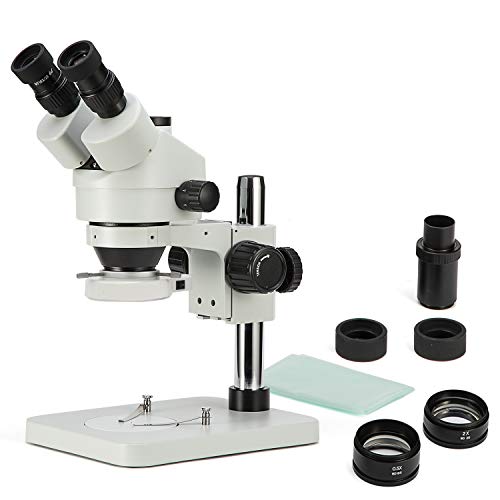
- 3.5X–90X expanded magnification
- 100 mm working distance
- Trinocular port and 56-bulb ring light
Best For: Gemologists and professionals needing optical flexibility
Best Autofocus Display
Elikliv EM4K-AF Digital Microscope

- Autofocus with TOF sensor
- 4K video and 52MP imaging
- 8-inch display with HDMI and USB
Best For: Convenient digital inspection and gemstone documentation
Professional Gemstone Inspection
Trinocular Stereo Zoom Microscope

- 3.5X–90X magnification range
- Camera-ready trinocular viewing
- Heavy-duty boom stand and LED ring light
Best For: Serious gemstone inspection and camera-assisted documentation
Digital Gemstone Viewing

- 7-inch LCD screen for shared viewing
- 12MP photos and 1080P video
- Adjustable stand and multi-angle lighting
Best For: Screen-based gemstone, jewelry, and collection inspection
Portable Gemstone Starter
AOMEKIE 20X/50X Stereo Microscope

- 20X and 50X binocular magnification
- Includes 12 mineral specimens and slides
- Battery-powered LED illumination
Best For: Beginners, students, and home gemstone exploration
High-Power Student Scope
PalliPartners Compound Microscope

- 100x–2000x stated magnification range
- Dual LED illumination for varied specimens
- Includes slides and smartphone accessories
Best For: Students and hobbyists needing a versatile educational microscope
Portable Digital Pick
Skybasic Wireless Digital Microscope

- Wi-Fi and USB device compatibility
- Eight adjustable LED lights
- Photo and video capture for digital inspection
Best For: Casual, portable gemstone and mineral viewing
Kid-Friendly Dual-Light Kit
National Geographic Dual LED Microscope

- Upper and lower LEDs for 3D objects and slides
- 20x and 50x optical lenses
- Includes a geode and 50+ accessories
Best For: Children ages 8–12 beginning STEM and mineral exploration
Best Classic Optics – AmScope SE306R-PZ Stereo Microscope
For buyers comparing stereo microscopes for gemstones, the AmScope SE306R-PZ is a straightforward binocular option with practical low-to-moderate magnification. Its 20X, 40X, and 80X settings, incident lighting, and transmitted lighting make it suitable for inspecting gemstone surfaces, inclusions, and small specimens.
Best For: Gemstone hobbyists and collectors who prefer traditional binocular viewing with adjustable magnification.
Pros:
- Offers 20X, 40X, and 80X stereo magnification settings.
- Includes widefield optical glass lenses and a forward binocular head.
- Built-in top and bottom lighting supports different specimen-viewing needs.
- Sturdy all-metal pillar stand provides stable support.
Cons:
- Uses a corded 120-volt halogen light source.
- Does not include the digital recording and HDMI features found on the digital models in this roundup.
The AmScope is a sensible pick when clear, conventional stereo viewing matters more than photography or a large display. Its 10X–80X stated magnification range and dual illumination give gemstone work a useful balance of detail and flexibility.
Best Digital Versatility – Andonstar AD246S-M Microscope
The Andonstar AD246S-M is a digital alternative for shoppers seeking stereo microscopes for gemstones alongside broader inspection tasks. Its Lens A is designed for stones and coins, while the 2160P camera, 7-inch display, HDMI output, and included storage support convenient viewing and documentation.
Best For: Users who want to inspect gemstones, coins, and other objects on a screen while also capturing photos or video.
Pros:
- Lens A is intended for observing stones and coins.
- Records 2160P video and supports HDMI output to a larger screen.
- Three interchangeable lenses cover general observation, electronics repair, and biological slides.
- Includes a 32GB microSD card, remote control, adjustable LED lighting, and measurement software compatibility.
Cons:
- The system is a multipurpose digital microscope rather than a dedicated binocular stereo microscope.
- Its very broad magnification claims vary by lens, digital zoom, and display output, so practical gemstone viewing depends on the selected lens.
This model stands out for screen-based inspection and sharing. The supplied Lens A and adjustable boom arm make it more relevant to gemstone and coin work than a soldering-only digital scope, while the extra lenses add flexibility.
Best Professional Gemology Setup – SWIFT Trinocular Stereo Zoom Microscope
For serious buyers of stereo microscopes for gemstones, the SWIFT trinocular model offers a professional-style optical platform with zoom viewing, a long working distance, and a dedicated ring light. Its trinocular port also makes it suitable for documenting specimens with a compatible camera.
Best For: Gemologists, engravers, collectors, and professionals who need flexible optical viewing and camera compatibility.
Pros:
- Provides a 3.5X–90X range with the included objectives and eyepieces.
- Offers a 100 mm working distance for working around specimens.
- Includes a 56-bulb LED ring light designed for bright, shadow-free illumination.
- Trinocular design supports an eyepiece or photo port for image capture.
Cons:
- Its professional configuration is more involved than a basic binocular microscope.
- Requires a compatible camera for trinocular documentation; the supplied notes do not specify that a camera is included.
The SWIFT is the strongest fit here for users building a dedicated inspection workstation. The broad optical range, added 0.5X and 2.0X objectives, stable metal stand, and cool LED ring light are particularly useful for detailed specimen work.
Best Autofocus Display – Elikliv EM4K-AF Digital Microscope
The Elikliv EM4K-AF is a screen-first option for shoppers considering stereo microscopes for gemstones but wanting autofocus and high-resolution digital imaging. Its autofocus system, 4K video, 8-inch IPS display, side lighting, and tall stand are suited to inspecting coins, stones, watches, and other small objects.
Best For: Users who prioritize easy on-screen viewing, autofocus, and image capture for gemstones and related collectibles.
Pros:
- Uses AI-assisted autofocus and a TOF sensor for quick focus adjustments.
- Provides 4K video, 52MP images, and an 8-inch IPS display.
- Includes HDMI and USB outputs, a controller, and a 16GB microSD card.
- Tall 10-inch stand and broad base accommodate coins and larger working setups.
Cons:
- It is a digital display microscope rather than a conventional binocular stereo microscope.
- The supplied notes emphasize coin inspection and soldering, so gemstone-specific optical performance is not detailed.
- Autofocus, digital zoom, and a stated 2000X maximum may not provide the same optical perspective as a traditional stereo zoom system.
The EM4K-AF is appealing when convenience and documentation outweigh direct eyepiece viewing. Its autofocus, freeze and split-screen functions, rechargeable battery, and high-resolution output make it a flexible inspection tool for gemstone and collectible work.
Professional Gemstone Inspection – Trinocular Stereo Zoom Microscope
For serious gemstone inspection, this trinocular stereo zoom microscope combines a broad 3.5X–90X range with a long, flexible working setup. Its binocular viewing, camera-ready port, sturdy boom stand, and adjustable ring light make it a versatile option for examining stones and documenting observations.
Best For: Gemstone hobbyists, jewelry work, and detailed inspection that may also require camera imaging.
Pros:
- Wide continuous zoom range, expandable from 3.5X to 90X with the included auxiliary lenses.
- Trinocular head supports electronic eyepieces and digital cameras, with simultaneous camera and binocular viewing.
- Heavy-duty steel base, flexible boom arm, and included dimmable 56S LED ring light.
- Adjustable interpupillary distance, diopters, and 360-degree head rotation improve viewing comfort.
Cons:
- The large professional stand and approximately 18-pound base are less portable than compact options.
- Camera or electronic eyepiece use may require selecting and connecting the appropriate adapter.
This is the most feature-rich choice here for users who want a stable gemstone inspection station with substantial magnification flexibility and image-capture potential.
Digital Gemstone Viewing – TOMLOV DM9 7-Inch Microscope
The TOMLOV DM9 is a digital alternative among stereo microscopes for gemstones, using a built-in 7-inch screen instead of traditional eyepieces. Its adjustable stand, camera, storage card, and flexible lighting suit close-up viewing of jewelry, rocks, and other small surface details.
Best For: Collectors and hobbyists who prefer screen-based viewing, photo and video capture, and shared inspection.
Pros:
- Built-in 7-inch LCD provides a comfortable enlarged view for extended inspection and demonstrations.
- 12MP camera, 1080P video capability, and included 16GB memory card support documentation.
- Adjustable LED lighting plus two flexible gooseneck lights help illuminate details from different angles.
- Metal base and adjustable 8.5-inch stand provide a steady platform for close-up work.
Cons:
- It is a digital screen microscope rather than a conventional binocular stereo microscope.
- The supplied notes emphasize adjustable viewing height and focus rather than a conventional optical magnification range.
Choose the DM9 when convenient screen viewing and recording matter more than traditional eyepiece observation. It is particularly practical for sharing gemstone or jewelry details with others.
Portable Gemstone Starter – AOMEKIE 20X/50X Stereo Microscope
This AOMEKIE stereo microscope offers straightforward 20X and 50X viewing for beginners exploring gemstones, minerals, jewelry, and other small specimens. Its battery-powered LED light and included mineral specimens make it a convenient starter option for home or classroom use.
Best For: Students, families, and beginners who want an affordable, portable setup for basic gemstone and mineral observation.
Pros:
- 20X and 50X magnification from WF10X, WF25X eyepieces, and a 2X objective.
- Includes 12 mineral specimens, insect specimens, and 10 slides for hands-on exploration.
- Battery-powered LED illumination enables use away from a power cord.
- Adjustable 65–102mm working range and 55–75mm interpupillary distance accommodate varied users and specimens.
Cons:
- The 50X maximum is substantially narrower than the professional zoom model’s range.
- Two AA batteries are required but are not included.
- Its elementary design is better suited to general inspection than advanced gemstone documentation.
For basic gemstone viewing and mineral exploration, the AOMEKIE keeps the setup simple and portable. The included specimens also make it a practical educational introduction to stereomicroscopy.
High-Power Student Scope – PalliPartners Compound Microscope
Although it is not a true stereo microscope, this PalliPartners model can serve as a flexible secondary option for shoppers comparing stereo microscopes for gemstones and other specimens. Its upper LED illumination is designed for opaque objects, while the compound optics provide much higher magnification for slides and biological samples.
Best For: Students and hobbyists who want one microscope for slides, educational experiments, and occasional opaque-object viewing.
Pros:
- Offers stated magnification settings from 100x to 2000x.
- Top and bottom LED illumination supports opaque and translucent specimens.
- Includes prepared and blank slides, a phone clip, and a Bluetooth shutter.
- SGS-certified materials and electrical safety are noted for student use.
Cons:
- It is a compound microscope rather than a dedicated stereo microscope.
- Very high magnification is less useful for viewing whole gemstones or three-dimensional surfaces.
Choose this model if slide-based science work matters as much as inspecting solid objects. For gemstone viewing specifically, its upper light may help with basic observation, but its compound design is not optimized for the depth perception and working distance of a true stereo scope.
Portable Digital Pick – Skybasic Wireless Digital Microscope
This Skybasic handheld digital microscope is a portable, camera-based alternative for shoppers researching stereo microscopes for gemstones. It can display magnified views on phones, tablets, or computers, making it convenient for quick surface checks, documentation, and outdoor inspection rather than precision bench work.
Best For: Casual gemstone, mineral, and hobby inspection when portability and digital image capture are more important than traditional optical viewing.
Pros:
- Supports Wi-Fi connections with Android and iOS devices and USB use with Windows or Mac computers.
- Eight adjustable LEDs help illuminate small objects.
- Captures photos and video, with stated 1080p smartphone output.
- Compact handheld design is convenient for travel and outdoor use.
Cons:
- It is described as a fixed-focus magnifying camera, not a traditional microscope.
- Sharpness depends on maintaining a 3–60 mm working distance.
- The notes caution that it is not intended for professional serious biology work.
This is the most convenient option here for sharing or recording close-up views, but it should be treated as a digital magnifier rather than a true stereo microscope. Gemstone buyers who need depth perception, comfortable binocular viewing, or detailed evaluation of facets may want a dedicated optical stereo model instead.
Kid-Friendly Dual-Light Kit – National Geographic Dual LED Microscope
The National Geographic Dual LED Microscope is an entry-level educational kit that can introduce children to both slides and solid objects. For shoppers comparing stereo microscopes for gemstones, its upper lighting and 3D-object mode are relevant, though the supplied 20x and 50x optics are intended primarily for basic STEM exploration.
Best For: Children ages 8–12 who want to explore minerals, a supplied geode, biological slides, and other classroom-style specimens.
Pros:
- Dual LED lighting supports slide viewing and inspection of 3D objects.
- Includes more than 50 accessories, including a geode and prepared slides.
- Simple 20x and 50x optical magnification is accessible for young users.
- Includes a padded storage container and a full-color learning guide.
Cons:
- Its 20x and 50x magnification is limited for detailed gemstone examination.
- It is designed as a children’s STEM kit rather than a professional stereo microscope.
- The supplied notes do not indicate binocular viewing.
This kit is a sensible choice when the goal is hands-on discovery rather than gemological analysis. The upper LEDs and included geode make it more relevant to solid specimens than a slide-only school microscope, but serious gemstone inspection will require more capable optics and adjustments.
How We Picked the Best Stereo Microscopes for Gemstones
We focused on features that matter when examining loose stones, settings, inclusions, facets, surface abrasions, and small jewelry components. The selection spans traditional stereo zoom designs, trinocular systems for photography, digital microscopes with built-in displays, and compact options for casual inspection. We also considered usable magnification ranges, illumination, working distance, viewing comfort, documentation features, and the intended skill level.
Magnification claims vary widely between optical and digital microscopes. For gemstone work, practical image quality, depth perception, and a clear view at a comfortable working distance are generally more valuable than the highest advertised number.
Quick Comparison
| Type | Best for | Main advantage | Potential limitation |
|---|---|---|---|
| Binocular stereo | Routine inspection and bench work | Natural 3D viewing with comfortable eyepieces | Usually requires a separate camera for recording |
| Trinocular stereo | Photography, teaching, and professional documentation | Dedicated camera port while viewing through eyepieces | Typically larger and more expensive |
| Digital HDMI or 4K | Sharing, recording, and soldering-style close work | Large-screen viewing and convenient image capture | May provide less natural depth perception |
| Portable or beginner kit | Students, hobbies, and occasional checks | Lower cost and easy storage | Less stability, control, or optical refinement |
Key Buying Factors for Stereo Microscopes for Gemstones
Optical Design and Magnification
A binocular stereo microscope is often the most intuitive choice because it preserves depth perception. Zoom systems are especially useful: lower magnification helps you locate and orient a stone, while higher settings reveal facet junctions, inclusions, and surface details. Check whether the stated range is optical magnification or a digital enlargement.
Working Distance and Viewing Comfort
Gemstones are easier to inspect when there is room to rotate them, use tweezers, or work on a setting. An auxiliary lens can change both magnification and working distance, so verify the configuration before buying. Adjustable interpupillary distance, diopter controls, and a stable stand also reduce fatigue during longer sessions.
Lighting and Image Control
Adjustable LED illumination is more useful than maximum brightness alone. Ring lights provide even general lighting, while directional or side lighting can emphasize inclusions and facet edges. Look for brightness control and enough clearance for the stone or jewelry piece.
Camera and Display Features
Choose a trinocular or digital model if you need photos, video, live demonstrations, or measurement workflows. HDMI and 4K systems can make sharing easy, but inspect the camera’s focusing controls, frame rate, storage options, and software support rather than relying only on resolution.
Who Should Buy Which Stereo Microscopes for Gemstones?
Choose a binocular stereo model for hands-on gemstone inspection, jewelry repair, and users who prioritize natural depth perception. Choose a trinocular zoom model when documenting stones, teaching, or building a repeatable photography setup is important. Choose a digital microscope for a larger shared display, convenient recording, or close electronic-style work where screen viewing is acceptable. Choose a portable or educational kit for occasional hobby use, children, students, or buyers who need a compact starting point rather than professional optical control.
Before ordering, confirm the included eyepieces, auxiliary lenses, camera connection, stand size, lighting style, and return policy. Those details often determine whether a microscope feels genuinely useful for your stones or merely impressive on paper.