
When cell service disappears, a satellite communicator can keep you connected enough to share your location, text for help, or trigger SOS alerts.
For hikers, the best choice usually comes down to size, battery life, network reliability, and how much you want to pay for service.
Best 10 Satellite Communicators for Hiking Picks for 2026
Ultralight Choice

- 3.5 oz compact handheld design
- Two-way messaging plus interactive SOS
- Up to 14 days battery in tracking mode
Best For: Hikers who want a lightweight communicator with navigation and SOS features
Simple SOS Pick

- Uses Globalstar satellite network
- Tracking and SOS with GPS coordinates
- Subscription required for operation
Best For: Hikers who want basic tracking, check-ins, and emergency SOS
Compact Navigator

- Compact handheld with button controls
- Two-way messaging and interactive SOS
- Up to 14 days battery in tracking mode
Best For: Backpackers who want a small communicator with navigation support
Smartphone Companion
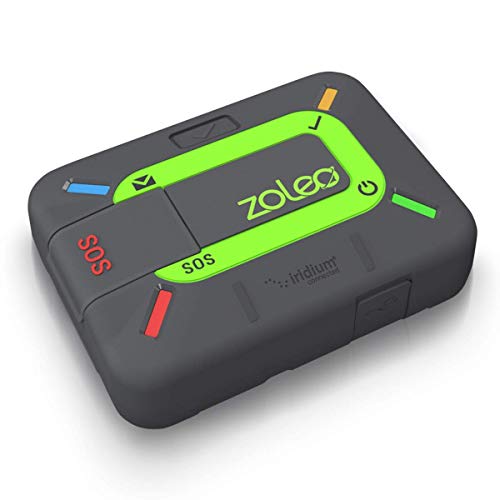
- Uses satellite, cellular, or Wi-Fi messaging
- 24/7 SOS monitoring with GPS location
- IP68-rated with 200+ hour battery life
Best For: Hikers who want phone-paired messaging and affordable service
Bluetooth-Ready Messenger
Bluetooth-Enabled 2-Way Messenger

- Two-way satellite messaging with a dedicated number
- Bluetooth pairing or standalone operation
- SOS support and GPS location sharing
Best For: Hikers who want a dedicated messenger with phone pairing and rescue alerts
App-Based Global Communicator
App-Controlled Global Communicator

- Iridium coverage for global two-way messaging
- App-based tracking, maps, and SOS features
- GroupTrack sharing for up to 12 people
Best For: App-based hikers who want global coverage and group location sharing
Compact Trail Navigator
Compact Rugged Hiking Communicator

- Ultra-compact design at about 3.5 oz
- Iridium coverage with two-way messaging and SOS
- TracBack routing plus weather and compass tools
Best For: Hikers who want a small rugged communicator with navigation help
Rugged Off-Grid Messenger

- Two-way satellite SMS and check-ins
- Rugged IP68 dustproof/waterproof build
- Unlimited SOS with service plan
Best For: Hikers wanting a compact smartphone-paired satellite messenger
Ultra-Light Trail Companion

- Compact 100 g handheld design
- Two-way messaging with interactive SOS
- Global network with up to 14-day battery life
Best For: Hikers prioritizing a lightweight satellite communicator
Ready-to-Go Bundle
Garmin inReach Mini 2 Flame Red Bundle

- Includes charger and battery extras
- Two-way messaging with interactive SOS
- Compact rugged build with 14-day battery life
Best For: Hikers wanting a bundled inReach Mini 2 setup with accessories
Ultralight Choice – Garmin inReach Mini 2 Orange
If you want a compact pick for satellite communicators for hiking, the Garmin inReach Mini 2 is built for staying connected without adding much weight to your pack. It supports two-way messaging, interactive SOS, location sharing, TracBack routing, and Garmin Explore trip planning, making it a strong fit for remote day hikes and backpacking trips.
Best For: Hikers who want a lightweight communicator with two-way messaging, GPS tracking, and TracBack navigation.
Pros:
- Very light at 3.5 oz, with a compact handheld design.
- Two-way global messaging and interactive SOS with an active satellite subscription.
- TracBack routing, digital compass, and Garmin Explore sync for trip planning.
- Up to 14 days of battery life in 10-minute tracking mode.
Cons:
- Requires an active satellite subscription for core messaging and SOS features.
- Some jurisdictions regulate or prohibit satellite communication devices.
- Small 1.27-inch monochrome screen limits on-device viewing.
This is one of the most practical satellite communicators for hikers who prioritize low weight and reliable emergency tools. It is especially appealing if you already use Garmin devices or the Garmin Explore app for planning and tracking.
Simple SOS Pick – Spot Gen4 Satellite Messenger
The Spot Gen 4 is a straightforward option for satellite communicators for hiking when you mainly want location sharing, tracking, and emergency SOS beyond cell coverage. It uses the Globalstar satellite network and can send GPS coordinates to friends, family, or emergency responders with a subscription plan.
Best For: Hikers and campers who want a simple satellite messenger for tracking, check-ins, and SOS alerts.
Pros:
- Critical communication tool when you travel beyond cell towers.
- Tracking can transmit location updates while moving and when stopped.
- SOS button sends GPS coordinates to emergency responders.
- Includes strap, carabiner, USB cable, batteries, and quick start guide.
Cons:
- Subscription is required for use.
- Messaging is more limited than two-way satellite communicators.
- Focused on basic messenger features rather than advanced navigation tools.
The Gen4 makes sense if you want a reliable, easy-to-understand safety device rather than a feature-heavy communicator. It is a practical fit for hikers who value tracking and an SOS button more than full texting tools.
Compact Navigator – Garmin inReach Mini 2 Black
This black Garmin inReach Mini 2 is a compact choice among satellite communicators for hiking if you want the same core safety and messaging tools in a small handheld format. It offers two-way global messaging, interactive SOS, TracBack routing, location sharing, digital compass guidance, and Garmin Explore app syncing for planning and maps.
Best For: Backpackers and hikers who want a compact satellite communicator with navigation support and long battery life.
Pros:
- Lightweight, compact handheld design for easy carrying.
- Two-way messaging and interactive SOS with an active satellite subscription.
- TracBack routing, location sharing, and digital compass features.
- Up to 14 days of battery life in 10-minute tracking mode.
Cons:
- Active satellite subscription required for key features.
- Some jurisdictions regulate or prohibit satellite communication devices.
- Small monochrome display and button-based controls keep it simple rather than spacious.
If you like the Mini 2 concept but prefer the black version, this model delivers the same hiking-friendly toolset. It is a strong pick for users who want a tiny communicator that still covers messaging, SOS, and route backtracking.
Smartphone Companion – ZOLEO Satellite Communicator
The ZOLEO satellite communicator is built for hikers who want flexible messaging through a smartphone accessory that can use satellite, cellular, or Wi-Fi. For satellite communicators for hiking, it stands out with two-way global SMS and email, check-ins, location sharing, weather forecasts, and a 24/7 SOS monitoring center.
Best For: Hikers who want a phone-paired communicator with flexible messaging and affordable service options.
Pros:
- Works with satellite, cellular, or Wi-Fi to send texts and emails.
- Includes SOS alerting with GPS location and 24/7 emergency monitoring.
- Unlimited check-ins, assigned SMS number, and location sharing features.
- IP68-rated durability and over 200 hours of battery life.
Cons:
- Requires a smartphone for full use.
- Service plan is required, even though plans start at a lower monthly cost.
- Less of a standalone device than some dedicated hiking communicators.
ZOLEO is a smart pick if you want a communicator that leans heavily on your phone while still offering serious backcountry safety features. It is especially appealing for hikers who care about messaging flexibility and long battery life.
Bluetooth-Ready Messenger – Bluetooth-Enabled 2-Way Messenger
If you want satellite communicators for hiking that can work as a standalone device or pair with your phone, the Spot X is built for practical off-grid messaging. It uses the Globalstar satellite network for GPS-based location sharing, and Bluetooth lets you sync with a cellphone when that’s more convenient.
Best For: Hikers who want a dedicated satellite messenger with Bluetooth phone pairing and SOS support.
Pros:
- Two-way messaging with a dedicated U.S. mobile number for receiving messages
- SOS alerting to 24/7 search and rescue, with confirmation when help is on the way
- Bluetooth syncing with a cellphone plus standalone use
- Long listed battery life of up to 240 hours
Cons:
- Subscription is required
- Uses the Globalstar network rather than Iridium coverage
- Bulkier than the smallest ultra-compact options
Overall, the Spot X is a straightforward choice if you value two-way communication, SOS protection, and the flexibility of either phone-linked or independent use on the trail.
App-Based Global Communicator – App-Controlled Global Communicator
The ACR Bivy Stick is a strong option for satellite communicators for hiking if you want most of your communication handled through an iOS or Android app. It offers global Iridium coverage for two-way SMS, email, GPS tracking, offline maps, and SOS features, along with location sharing and group tracking.
Best For: App-based hikers who want global coverage, tracking, and group messaging.
Pros:
- 100% global Iridium satellite coverage
- Two-way SMS, email, GPS tracking, offline maps, and weather updates through the Bivy app
- 24/7 SOS monitoring with Global Rescue
- GroupTrack supports messaging and location sharing with up to 12 people
Cons:
- Requires a subscription plan
- One-time 3-month commitment before month-to-month billing
- Depends on the mobile app for core functionality
If you want a lightweight, app-driven communicator with full global coverage and strong tracking tools, the Bivy Stick is one of the most versatile hiking picks here.
Compact Trail Navigator – Compact Rugged Hiking Communicator
For hikers who want a compact satellite communicator with serious trail-friendly features, the Garmin inReach Mini 2 focuses on portability, ruggedness, and dependable messaging. It uses the Iridium network for global coverage and adds tools like TracBack routing, weather updates, and Garmin MapShare sharing.
Best For: Hikers who want a small, rugged communicator with navigation support and long battery life.
Pros:
- Very compact and lightweight at about 3.5 oz
- Iridium global satellite coverage for two-way messaging and interactive SOS
- Up to 14 days of battery life in default tracking mode
- Includes TracBack routing, weather updates, and digital compass features
Cons:
- Requires a satellite airtime plan
- Some features rely on compatible Garmin or mobile devices
- Small screen may be less convenient for extended on-device interaction
Among satellite communicators for hiking, the inReach Mini 2 stands out for its compact build, global reach, and useful navigation features that fit long days on the trail.
Rugged Off-Grid Messenger – Motorola Defy Satellite Link
If you want one of the more straightforward satellite communicators for hiking, the Motorola Defy Satellite Link is built around simple check-ins, two-way satellite SMS, and emergency SOS support. It pairs with compatible iOS and Android smartphones, so it works well when you want satellite backup without carrying a large dedicated handheld.
Best For: Hikers who want a compact satellite messenger with basic check-ins, SOS, and smartphone pairing.
Pros:
- Two-way satellite-enabled messaging plus check-in and location sharing
- Unlimited SOS included with every service plan
- Rugged IP68 dustproof and waterproof design
- Up to 4 days of standby battery life
Cons:
- Service plan required at $19.99/month
- Requires a compatible smartphone for full use
Overall, this is a practical pick if you want satellite contact for the trail in a compact, tough package. It keeps the feature set focused on messaging, SOS, and location sharing rather than advanced navigation tools.
Ultra-Light Trail Companion – Garmin inReach Mini 2
Among satellite communicators for hiking, the Garmin inReach Mini 2 stands out for its small size, two-way messaging, and interactive SOS alerts. It is designed as a lightweight handheld for hikers who want global satellite messaging, location sharing, and a rugged build without adding much weight to their pack.
Best For: Hikers who want a compact, lightweight satellite communicator with reliable messaging and SOS features.
Pros:
- Lightweight, compact design at about 100 grams
- Two-way messaging, interactive SOS, and location sharing
- Global satellite network with flexible satellite plans
- Up to 14 days of battery life
Cons:
- Small 0.9-inch screen limits at-a-glance viewing
- Uses button-based controls instead of a full touchscreen
This is a strong choice if portability matters most on the trail. It combines core safety and communication features with Garmin’s hiking-friendly tools like TracBack routing and weather support.
Ready-to-Go Bundle – Garmin inReach Mini 2 Flame Red Bundle
If you’re comparing satellite communicators for hiking and want a setup with accessories included, this Garmin inReach Mini 2 bundle is a practical option. It keeps the same compact, rugged satellite communicator features as the base unit, including two-way messaging, interactive SOS, weather updates, and TracBack routing, while adding extra charging and cleaning accessories.
Best For: Hikers who want the Garmin inReach Mini 2 plus useful bundle extras right out of the box.
Pros:
- Global satellite coverage with two-way messaging and interactive SOS
- Compact, rugged, water-resistant design with MIL-STD-810 durability
- Up to 14 days of battery life in default tracking mode
- Bundle includes charging accessories and a portable battery charger
Cons:
- Still requires a satellite airtime plan
- Small display may feel limited for some users
This bundle makes sense if you want a trail-ready communicator and prefer to buy the add-ons at the same time. It is especially appealing for hikers who value a compact emergency device and extra power accessories for longer outings.
How We Picked the Best Satellite Communicators for Hiking
We focused on Satellite Communicators for Hiking that are compact enough to carry all day, offer dependable off-grid messaging or SOS, and are backed by established satellite networks. We also considered ease of use, battery performance, app support, and whether the device works better as a pure emergency beacon or a two-way communicator for real backcountry travel.
Quick Comparison
For most hikers, the main tradeoffs are size versus features. Ultra-light devices are easier to pack and clip to a shoulder strap, while larger models may be more comfortable to use and may offer extra controls or Bluetooth convenience. Some devices are ideal for basic check-ins and emergency alerts, while others are better if you want frequent messaging, tracking, and more flexible communication.
Key Buying Factors for Satellite Communicators for Hiking
Network Coverage and Reliability
Look at the satellite network first. Coverage quality and message delivery reliability matter more than extra features if you hike in remote terrain. Confirm whether the device uses a global network and whether it supports true two-way messaging.
Battery Life and Power Management
Long hikes demand efficient battery use. Compare standby time, active tracking time, and how the device behaves with frequent location updates. If you backpack for multiple days, battery life should be a top priority.
Weight, Size, and Carry Options
Smaller satellite communicators are easier to keep on your pack strap or in a hipbelt pocket. That matters on steep trails and long climbs, where every ounce counts. Rugged construction is also important because these devices are often exposed to rain, dust, and drops.
Messaging and SOS Features
Decide whether you need basic SOS plus check-ins or full two-way texting. Satellite Communicators for Hiking are most useful when they let you confirm plans, update trip progress, and communicate clearly during delays or emergencies.
Who Should Buy Which Satellite Communicators for Hiking?
Choose a minimalist communicator if you want a small, dependable emergency backup for occasional hikes. Pick a more feature-rich two-way messenger if you regularly travel solo, backpack in remote areas, or want to send status updates and coordinate with family. If you already rely on your smartphone, a Bluetooth-enabled model may be the most convenient option. If you want the simplest possible setup, a dedicated handheld communicator with built-in controls may be a better fit.
In short, the best choice depends on how far you go from cell coverage, how often you hike, and how much communication you want beyond emergency SOS.