
When you’re deep on the trail, cell service is often the first thing to disappear. A satellite communicator can keep you connected for check-ins, route updates, and emergency SOS when it matters most.
Below, we’ve rounded up the best satellite communicators for backpacking in 2026, focusing on portability, battery life, messaging, mapping, and real-world ease of use.
Best 10 Satellite Communicators for Backpacking Picks for 2026
Ultra-Compact Iridium Pick

- Two-way Iridium messaging and SOS
- Only 3.5 oz with compact build
- Up to 14 days battery in 10-minute tracking mode
Best For: Backpackers who want a tiny, dependable communicator with strong battery life
Bundle-Friendly SOS Option
ACR Bivy Stick 2-Way Communicator

- Global satellite communication with SOS
- Unlimited check-ins and GPS sharing
- Includes pouch case and carabiner
Best For: Backpackers who want phone-based messaging and a protective carry bundle
Simple Tracking Messenger
Spot Gen 4 Satellite GPS Messenger

- Globalstar GPS messaging and SOS
- Tracks location while moving or stopped
- Includes strap, carabiner, batteries
Best For: Backpackers who want a straightforward messenger for tracking and emergency use
Classic Lightweight Backup

- Two-way texting on the Iridium network
- Interactive SOS with 24/7 monitoring
- Optional weather and Earthmate app support
Best For: Backpackers who want a proven lightweight communicator with core safety tools
Top Value Pick
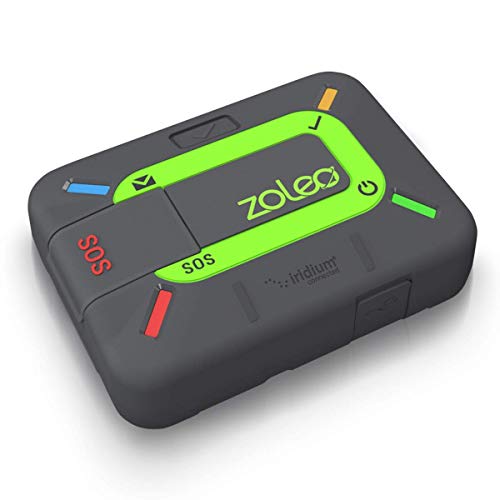
- Satellite, cellular, and Wi‑Fi messaging
- SOS, check-ins, and shared contact info
- IP68 build with 200+ hour battery life
Best For: Backpackers wanting an affordable phone-paired communicator
Best Compact Option

- Ultra-compact design for small packs
- Two-way messaging plus interactive SOS
- TracBack routing and compass included
Best For: Minimalist backpackers who want a tiny, capable communicator
Best Feature-Rich Pick
ACR Bivy Stick Satellite Communicator

- Two-way SMS, email, tracking, and offline maps
- GroupTrack supports up to 12 people
- 24/7 SOS monitoring with Global Rescue
Best For: Hikers wanting advanced tracking and group sharing
Topo-Map Navigator
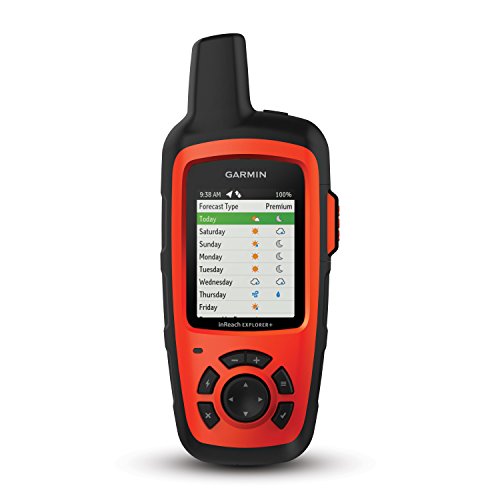
- Two-way global text messaging with satellite subscription
- Preloaded topo maps with onscreen GPS routing
- Built-in compass, altimeter, and interactive SOS
Best For: Backpackers who want navigation and messaging in one handheld
Phone-Linked Rescue Link

- Two-way satellite messaging through a paired smartphone
- Check-in messages, coordinates sharing, and SOS assist
- IP68-rated design with up to 4 days standby
Best For: Backpackers who want a compact phone-tethered messenger
Ultra-Light Messenger

- Small rugged design for easy packing
- Global two-way messaging with satellite subscription
- Up to 28 days battery life in 10-minute tracking mode
Best For: Ultralight backpackers who want long battery life and SOS
Ultra-Compact Iridium Pick – Garmin inReach Mini 2
If you want satellite communicators for backpacking that stay small in your pack but still cover the essentials, the Garmin inReach Mini 2 is built around that balance. It offers two-way messaging, interactive SOS, TracBack routing, and location sharing through MapShare, while pairing with the Garmin Explore app for trip planning and syncing.
Best For: Backpackers who want a very compact, feature-rich communicator with long battery life and Garmin ecosystem support.
Pros:
- Two-way messaging and interactive SOS over the Iridium network
- Very compact and lightweight at 3.5 oz
- TracBack routing plus heading and location-sharing features
- Up to 14 days of battery life in 10-minute tracking mode
Cons:
- Satellite subscription required for key features
- Small monochrome display limits on-device detail
- Some jurisdictions regulate or prohibit satellite communication devices
Overall, this is one of the strongest backpacking-focused picks if size and battery efficiency matter most. It is especially appealing for hikers who want a minimal device that still provides messaging, SOS, and route recovery tools.
Bundle-Friendly SOS Option – ACR Bivy Stick 2-Way Communicator
NEW ACR Bivy Stick 2-Way Satellite Communicator with Carrying Case and Carabiner Bundle
Check Price On AmazonFor backpackers comparing satellite communicators for backpacking, the ACR Bivy Stick stands out as a phone-linked option with practical safety and messaging tools. According to the supplied notes, it offers global satellite communication, SOS rescue capability, unlimited check-in messages, GPS location sharing, and offline maps and navigation without cell coverage.
Best For: Hikers who want a smartphone-connected communicator with SOS, check-ins, and bundled carrying protection.
Pros:
- Global satellite communicator with SOS emergency rescue
- Unlimited check-in messages and GPS location sharing
- Offline maps and navigation for no-cell areas
- Includes carrying case with belt attachment and carabiner
Cons:
- Designed to work with a smartphone
- Notes do not list battery life or device weight
- Some features depend on satellite service availability
This is a compelling choice if you want a communicator that emphasizes check-ins and navigation support alongside emergency features. The included pouch and carabiner add convenience for backpack carry and daily use.
Simple Tracking Messenger – Spot Gen 4 Satellite GPS Messenger
If you’re looking for satellite communicators for backpacking that prioritize basic safety and location updates, the Spot Gen 4 keeps the feature set straightforward. It uses the Globalstar satellite network to send GPS coordinates, offers tracking while moving and when stopped, and includes an SOS button for emergencies.
Best For: Backpackers who want a simple satellite GPS messenger for tracking, check-ins, and emergency signaling.
Pros:
- Globalstar-based GPS messaging and location sharing
- Tracking feature works when moving and when stopped
- SOS button sends GPS to emergency responders
- Includes strap, carabiner, USB cable, and batteries
Cons:
- Subscription required
- Two service plans are mentioned, which adds decision points
- Bulkier than the smallest communicator options
The Spot Gen 4 makes sense if you want a reliable, no-frills messenger rather than a feature-heavy navigation tool. Its value is in straightforward tracking and emergency communication backed by the satellite network.
Classic Lightweight Backup – Garmin inReach Mini
Garmin 010-01879-00 InReach Mini, Lightweight and Compact Satellite Communicator, Orange
Check Price On AmazonThe Garmin inReach Mini is a compact satellite communicator for backpacking that covers the core backcountry needs without adding much weight. It supports two-way text messaging on the Iridium network, interactive SOS, downloadable maps through the Earthmate app, and optional weather forecasts through inReach weather service.
Best For: Backpackers who want a lightweight, proven communicator with texting, SOS, and app-based map support.
Pros:
- Small, rugged, lightweight design
- Two-way text messaging on the Iridium network
- Interactive SOS with 24/7 search and rescue monitoring
- Optional weather forecast service and Earthmate app support
Cons:
- Satellite subscription required
- Older model with a tiny 0.9 x 0.9 inch display
- Battery life is listed at 90 hours, which is less than newer long-endurance options
This is a practical pick for hikers who want Garmin reliability in a very small package. It remains attractive if you need core satellite communication features and can live with the smaller screen and shorter battery life.
Top Value Pick – ZOLEO Satellite Communicator
For backpackers who want satellite communicators for backpacking without overcomplicating the setup, the ZOLEO pairs with your smartphone for two-way texting, email, check-ins, and SOS support over satellite, cellular, or Wi‑Fi. It’s built to keep messages flowing on the lowest-cost network available, making it a practical choice for trips where coverage is unpredictable.
Best For: Hikers who want affordable off-grid messaging, check-ins, and SOS backup with a phone-based interface.
Pros:
- Uses satellite, cellular, or Wi‑Fi and switches to the lowest-cost available network
- Includes unlimited SOS, check-ins, and Wi‑Fi messages on monthly plans starting at $20
- Offers a dedicated SMS number and email so contacts can reach you off-grid
- Rugged IP68 build with over 200 hours of battery life
Cons:
- Requires a service plan to use messaging and satellite features
- Uses a smartphone app as the main interface, not a full standalone screen
- Location sharing and waypoint features are optional add-ons
The ZOLEO stands out for backpackers who value flexible connectivity and lower ongoing cost over extra navigation hardware. If your priority is reliable messaging, emergency alerting, and simple trip communication, it covers the essentials well.
Best Compact Option – Garmin inReach Mini 2
Garmin inReach Mini 2, Lightweight and Compact Satellite Communicator, Hiking Handheld, Black
Check Price On AmazonIf you want satellite communicators for backpacking in the smallest possible package, the Garmin inReach Mini 2 is built around lightweight two-way messaging and interactive SOS. It also adds useful trip tools like TracBack routing, a digital compass, and app syncing for planning and topographical mapping.
Best For: Backpackers who want a compact, lightweight communicator with navigation-focused extras.
Pros:
- Very compact and lightweight for easy packing
- Supports two-way messaging and interactive SOS globally with a subscription
- Includes TracBack routing and a digital compass for getting back to start
- Syncs with Garmin Explore for trip planning and topographical mapping
Cons:
- Requires an active satellite subscription for core messaging and SOS features
- Small monochrome display limits on-device viewing compared with larger units
- Battery life is rated up to 14 days in 10-minute tracking mode
The inReach Mini 2 is a strong fit when pack size matters more than having a bigger screen or more advanced on-device controls. For minimalist hikers, it balances emergency communication and route tools in a very portable design.
Best Feature-Rich Pick – ACR Bivy Stick Satellite Communicator
For backpackers comparing satellite communicators for backpacking and wanting more than basic texting, the ACR Bivy Stick adds two-way SMS, email, GPS tracking, offline maps, weather updates, and location sharing through the Bivy app. It also supports group messaging and tracking, which can be useful for organized trips or shared adventures.
Best For: Backpackers who want a feature-rich communicator with tracking, group sharing, and offline maps.
Pros:
- Offers two-way SMS, email, GPS tracking, offline maps, and weather updates
- Includes 24/7 SOS monitoring through Global Rescue
- Provides unlimited GPS check-ins and live tracking with breadcrumb trail sharing
- Supports GroupTrack for messaging and location sharing with up to 12 people
Cons:
- Requires a plan and a one-time 3-month commitment per device
- App-based workflow means your smartphone does much of the heavy lifting
- Battery life is rated at 120 hours, shorter than some simpler alternatives
The Bivy Stick is a strong choice if you want communication plus trip-tracking tools in one off-grid package. It’s especially appealing for hikers who travel with a group and want shared visibility during the trip.
Topo-Map Navigator – Garmin inReach Explorer+
If you want one of the more capable satellite communicators for backpacking, the Garmin inReach Explorer+ stands out for combining two-way global texting with built-in GPS navigation and preloaded topo maps. It is designed for hikers who want both off-grid communication and a dedicated handheld navigation tool in one device.
Best For: Backpackers who want satellite messaging plus onboard maps, routing, and navigation tools.
Pros:
- 100% global Iridium coverage for two-way text messaging with a satellite subscription.
- Preloaded DeLorme topo maps with onscreen GPS routing for navigation in the backcountry.
- Built-in digital compass, barometric altimeter, and accelerometer add useful trail data.
- Interactive SOS support connects to a 24/7 search and rescue monitoring center.
Cons:
- Requires a satellite subscription to use messaging and SOS features.
- Bulkier than app-only satellite messengers, since it is a full handheld GPS unit.
- Battery life is listed at about 30 hours, so longer trips may require charging planning.
For backpackers who value navigation as much as communication, this model offers a strong all-in-one setup. The tradeoff is added size and subscription dependence, but the mapping and routing tools make it especially practical when trails are remote or poorly marked.
Phone-Linked Rescue Link – Motorola Defy Satellite Link
The Motorola Defy Satellite Link is aimed at backpackers who want a compact satellite communicator for backpacking without carrying a full navigation device. It pairs with a compatible smartphone and adds two-way satellite messaging, check-ins, and SOS support when you are outside normal cellular coverage.
Best For: Hikers who want a small satellite messaging accessory to pair with an Android or iPhone.
Pros:
- Provides advanced two-way satellite messaging through a paired smartphone.
- Includes check-in messaging and coordinates sharing for simple status updates.
- SOS assist works without a connection, with unlimited SOS included in service plans.
- IP68 dustproof and waterproof rating adds durability for rough weather and trail use.
Cons:
- Service plans are required, with pricing noted at $19.99/month.
- Depends on a compatible smartphone for full use, rather than working as a standalone GPS unit.
- Battery life is listed as up to 4 days of standby, which is modest for extended trips.
This is a practical pick if your main need is messaging and emergency contact rather than onboard maps. Its compact size and phone integration make it easy to pack, but backpackers who want standalone navigation will need a separate GPS solution.
Ultra-Light Messenger – Garmin inReach Messenger
Garmin inReach® Messenger Handheld Satellite Communicator, Global Two-Way Messaging
Check Price On AmazonFor backpackers looking for a lightweight satellite communicator for backpacking, the Garmin inReach Messenger focuses on messaging first. It offers global two-way text communication, preset check-ins, location sharing, and SOS support in a small rugged package that is easier to carry than a full handheld GPS.
Best For: Ultralight hikers who want a compact messenger with long battery life and emergency features.
Pros:
- Small, rugged, lightweight design is easy to pack on multi-day trips.
- Two-way global messaging works through the Garmin Messenger app and satellite subscription.
- Up to 28 days of battery life in 10-minute tracking mode is strong for longer outings.
- Supports preset messages, location sharing, group messaging, and interactive SOS.
Cons:
- Messaging, SOS, and location sharing require an active satellite subscription.
- It is messaging-focused and does not include the topo maps and routing of a full navigation handheld.
- Some jurisdictions regulate or prohibit satellite communication devices.
This model makes sense if you want a simple, compact safety tool rather than a full-featured navigator. Its standout strength is battery life, which can be especially useful on longer backpacking trips where charging options are limited.
How We Picked These Satellite Communicators for Backpacking
We focused on devices that make sense for backpacking: compact size, dependable satellite coverage, simple two-way messaging, and emergency SOS capability. We also considered battery life, app pairing, subscription flexibility, and how easy each unit is to carry in a pack or shoulder pocket.
Quick Comparison
The lightest options are best for minimalist backpackers who mainly want SOS and messaging. More feature-rich models add mapping, navigation, or better standalone messaging tools, which can be helpful on longer or more complex trips.
Key Buying Factors for Satellite Communicators for Backpacking
Size and Weight
For backpacking, every ounce matters. Smaller units are easier to stash in a hip belt pocket or shoulder strap, while larger models may offer more features but add bulk.
Battery Life
Look at how long the device lasts with location tracking enabled versus standby mode. If you plan multi-day trips, prioritize battery endurance and charging flexibility.
Messaging and SOS
Two-way texting is a major advantage because it lets you confirm help is on the way or update family on your status. SOS features should be easy to access and backed by a reliable response network.
Navigation and Mapping
Some Satellite Communicators for Backpacking are messaging-first, while others include maps or breadcrumb tracking. If you already carry a GPS watch or phone with offline maps, a simpler communicator may be enough.
App and Phone Integration
Many devices rely on a paired smartphone for typing messages and planning routes. Check compatibility with iOS or Android and make sure the companion app is stable and intuitive.
Who Should Buy Which Satellite Communicators for Backpacking?
Choose a lightweight messaging model if you want basic safety and check-ins without extra bulk. Pick a mapping-enabled unit if you navigate off-trail, travel in remote terrain, or want an all-in-one backup navigation tool. If your main priority is easy texting and SOS from a phone-friendly interface, a compact app-connected communicator is usually the best fit.
For most backpackers, the best choice balances weight, battery life, and confidence in an emergency rather than chasing the most features.