
A distant bird call is easy to miss when wind, traffic, and nearby wildlife compete for your attention. A directional microphone can help you focus on where the sound is coming from, but the right setup depends on whether you want to listen live or save a usable recording.
These 10 options range from a recording-focused microphone bundle to compact listening monoculars. The guide below explains what to check before choosing one for your birding routine.
Best 10 Parabolic Microphones for Bird Calls Picks for 2026
Best for Recording
SOUND SHARK RTG Parabolic Microphone
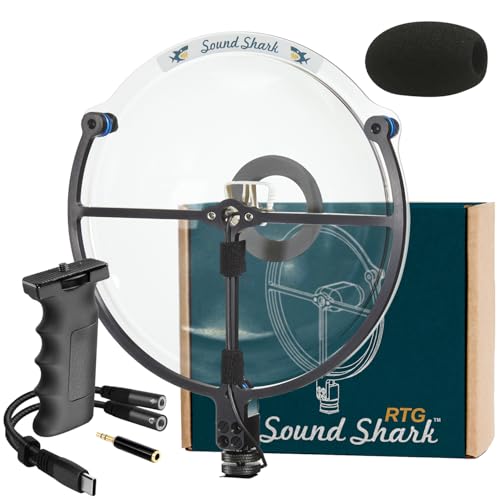
- Directional pickup rated to 50 feet
- Camera and USB-C adapters included
- Rugged dish and handheld grip
Best For: Recording bird calls with external devices
Best Sight-and-Sound Combo
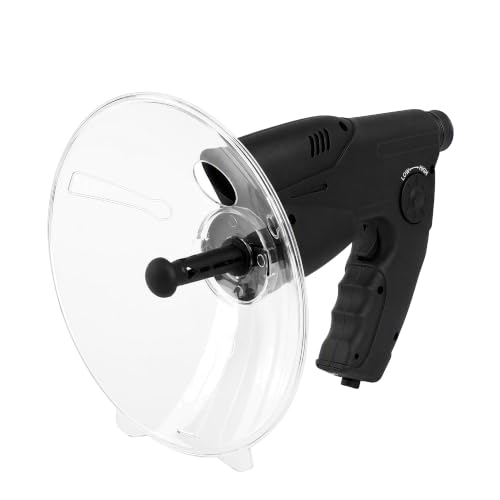
- 8x center-focus telescope
- Dish rated for listening to 100 meters
- Headphones and 12-second recording
Best For: Casual viewing and brief call playback
Best for Day Trips
8x Parabolic Microphone Monoculars

- 8x21 focusing telescope
- Advertised audio reach to 200 meters
- Adjustable volume and brief recording
Best For: Handheld listening on birding walks
Best for Family Birdwatching
Podoy Listening and Recording Device

- 8-power viewing and listening
- Advertised range up to 300 feet
- Headphones and 12-second recording
Best For: Supervised family nature outings
Best for Short Recordings
Bird Watching Microphone with 8x Monocular
- 8x monocular built in
- Records 12-second sound clips
- Earphone listening supported
Best For: Viewing birds while capturing brief calls
Best Starter Set
Asixxsix 8x Bird Listening Device

- Built-in 8x monocular
- Earphone and lens cloth included
- No recording feature listed
Best For: Family birdwatching and beginner nature listening
Best for Simple Listening
Compact Bionic Bird Listening Device

- Compact body for storage
- ABS structural components
- Listening range not specified
Best For: Casual bird listening with a compact device
Compact Optical Pick
Walfront 8x21 Bird-Watching Microphone

- Built-in 8x21 optics
- Compact, anti-slip body
- Listening and recording functions
Best For: Portable viewing and listening on bird-watching outings
Quick Playback Pick
Portable 8x Monocular Sound Amplifier

- Built-in 8x monocular
- 12-second recording and replay
- Headphones and 3.5mm jack
Best For: Replaying short bird sounds while observing wildlife
Specs-to-Verify Pick
Bionic Ear Bird-Watching Device
- Listed for distance listening
- Package weight: 1.52 pounds
- Audio and recording specs not supplied
Best For: Buyers prepared to verify features before ordering
Best for Recording – SOUND SHARK RTG Parabolic Microphone
Among parabolic microphones for bird calls, the SOUND SHARK RTG is the pick for recording rather than simply listening. Its directional dish is designed to isolate sounds from up to 50 feet away, and the bundle includes adapters for cameras and USB-C devices.
Best For: Birders who want to record distant calls on a camera, smartphone, or compatible recorder.
Pros:
- Parabolic design provides a tight pickup pattern and claimed 6X mechanical amplification.
- Includes 3.5mm TRS and USB-C adapters, a camera mount, and a handheld grip.
- Impact-resistant polycarbonate dish and anodized aluminum frame suit outdoor use.
Cons:
- Claimed pickup distance is up to 50 feet, shorter than the distance claims for some listening devices here.
- It is a microphone, so recording requires a compatible device rather than built-in storage.
Choose this if usable audio files and flexible connections matter more than having a built-in viewing telescope. Check your recorder’s input compatibility before heading out.
Best Sight-and-Sound Combo – 8x Bird Watching Mirror
If you want parabolic microphones for bird calls that also help you spot the bird, this handheld model pairs a sound-collecting dish with an 8x focusing telescope. Its included headphones, adjustable volume, and 12-second recording feature make it a compact observation tool.
Best For: Casual birdwatchers who want to look, listen, and replay brief sounds with one device.
Pros:
- 8x telescope has a center-focus knob for viewing distant subjects.
- Parabolic dish is advertised for listening at distances up to 100 meters.
- Includes headphones and adjustable listening volume.
Cons:
- Recordings are limited to 12 seconds at a time.
- The supplied details do not specify a recording format or battery requirements.
This is better suited to quick field listening than extended call recording. Its combined optics and audio pickup are the main draw; confirm the power requirements before buying.
Best for Day Trips – 8x Parabolic Microphone Monoculars
These parabolic microphones for bird calls combine an 8×21 focusing telescope with amplified listening and brief recording. At a listed 694 grams, this model is aimed at birders who want a single handheld tool for walks and day trips.
Best For: Outdoor listeners who value an 8x monocular, adjustable volume, and quick call capture.
Pros:
- Combines an 8×21 focusing telescope with parabolic sound pickup.
- Offers adjustable volume, noise reduction, and 12-second recording.
- ABS construction and a non-slip rubber coating provide a secure grip.
Cons:
- The 12-second recording limit makes it unsuitable for long, continuous clips.
- Requires a separate battery; the notes list a 9V or carbon battery.
The advertised audio reach is up to 200 meters, but real-world clarity will depend on conditions. Consider it a portable listening-and-spotting tool rather than a replacement for a dedicated field recorder.
Best for Family Birdwatching – Podoy Listening and Recording Device
For families exploring parabolic microphones for bird calls, the Podoy device brings together 8-power viewing, amplified listening, headphones, and push-button recording. Its advertised viewing and hearing range is up to 300 feet.
Best For: Supervised nature outings where children and adults want to hear and replay short bird sounds.
Pros:
- Combines 8-power optics with long-range listening.
- Headphones and an instruction manual are included.
- Push-button recording captures 12-second clips without an SD card.
Cons:
- Requires one 9V alkaline battery, which is not included.
- Recording time is limited to 12 seconds per clip.
- The listing warns that nearby electrical appliances can cause interference.
This is a straightforward option for short listening sessions, not extended field recordings. Adult supervision is recommended for children, and users should never point its viewfinder at the sun.
Best for Short Recordings – Bird Watching Microphone with 8x Monocular
Among parabolic microphones for bird calls, this model combines directional listening with an 8x monocular and a built-in 12-second sound recorder. It suits birdwatchers who want to look and listen from a distance without carrying separate optics.
Best For: Birdwatchers who want magnified viewing and brief sound clips in one device.
Pros:
- Built-in 8x monocular for viewing distant birds.
- Records up to 12 seconds of sound without a SIM or SD card.
- Supports listening through earphones.
Cons:
- The 12-second recording limit is restrictive for longer calls or soundscapes.
- Its stated listening and observation distances vary across the product notes, so real-world reach is uncertain.
Choose it for its combined viewing, listening, and short-recording functions rather than for a guaranteed long-distance range.
Best Starter Set – Asixxsix 8x Bird Listening Device
If you are comparing parabolic microphones for bird calls as an introduction to nature listening, this Asixxsix set pairs an 8x monocular with amplified listening through an included earphone. The package also includes a lens cloth and manual.
Best For: Families seeking an all-in-one viewing and listening set for outdoor exploration.
Pros:
- Built-in 8x monocular lets users view birds while listening.
- Includes an earphone, lens cloth, and manual.
- ABS body and optical-glass lens are specified in the product notes.
Cons:
- No recording feature is listed.
- The notes give different distance figures, so the practical listening range is unclear.
This is the more complete out-of-box set for shared nature observation, but buyers who need to save calls should look for a model with a stated recording feature.
Best for Simple Listening – Compact Bionic Bird Listening Device
This option keeps the focus on listening rather than advertised viewing range. Among parabolic microphones for bird calls, it stands out in the supplied notes for its ABS construction, compact body, and stated headphone waveform distortion of less than 0.6%.
Best For: Casual outdoor listeners who prefer a compact bird-listening device.
Pros:
- Compact body is described as easy to store.
- Internal and external structural parts use ABS engineering plastic.
- Manufacturer states headphone waveform distortion is below 0.6%.
Cons:
- Battery removal is recommended when the device is not in use.
- The supplied notes do not specify a listening range or recording duration.
It is a straightforward choice if portability matters most, though its unspecified range makes it harder to assess for distant birds.
Compact Optical Pick – Walfront 8×21 Bird-Watching Microphone
For shoppers comparing parabolic microphones for bird calls, this Walfront model combines listening and recording with an 8×21 optical viewfinder. Its compact, battery-powered design is intended for carrying on bird-watching outings.
Best For: Bird watchers who want an 8x viewfinder alongside a portable listening device.
Pros:
- Built-in 8×21 optics help you observe birds while listening.
- Compact body and anti-slip finish support handheld use.
- Supports sound recording and headphone listening.
Cons:
- Manual focus adds an adjustment step when tracking birds.
- Battery-powered operation requires battery management.
This is a practical option if combining optical viewing and audio matters more to you than having separately specified recording controls; the supplied details do not state a recording duration.
Quick Playback Pick – Portable 8x Monocular Sound Amplifier
Among parabolic microphones for bird calls, this portable model stands out for its built-in 8x monocular and 12-second recording with instant playback. An adjustable sensitivity dial lets you change the listening level while observing wildlife.
Best For: Bird watchers who want to replay brief sounds in the field.
Pros:
- Built-in 8x monocular helps you locate the source of a call.
- Records up to 12 seconds for immediate playback.
- Includes headphones and a 3.5mm jack that can connect to an external recorder.
Cons:
- Built-in recordings are limited to 12 seconds.
- Requires a 9V battery that is not included.
Choose this one for quick listening checks and short replays. If you want longer recordings, its stated external-recorder connection is worth considering, but an external recorder is not listed as included.
Specs-to-Verify Pick – Bionic Ear Bird-Watching Device
If you are comparing parabolic microphones for bird calls, this Bionic Ear is listed as a bird-watching and distance-listening device. The supplied product details are sparse, so it is harder to assess its field performance or features against better-documented options.
Best For: Buyers willing to verify listening features and included accessories before ordering.
Pros:
- Marketed for bird watching and nature listening.
- Listed package weight is 1.52 pounds.
Cons:
- No listening range or audio specifications are supplied.
- Recording capability and included accessories are not specified.
Its intended use fits the roundup, but the available notes do not establish how it performs. Confirm the features you need in the current listing before choosing it.
How We Picked the Best Parabolic Microphones for Bird Calls
We organized the 10 listed products around the details most useful to a birdwatcher: microphone format, live-listening features, recording connections, portability, and optical viewing. The selection includes a dedicated directional microphone bundle and several monocular-style devices intended for observing and listening at the same time. Specifications in product names, including magnification and claimed range, are not independent performance tests. Check the current listing for included cables, headphones, batteries, and recording features before buying.
Quick Comparison: Which Type Fits Your Outing?
- For recording: Start with the SOUND SHARK bundle if you need an external microphone with stated 3.5 mm TRRS and USB-C connection options. Confirm compatibility with your particular phone, camera, or recorder.
- For listening while watching: The 8× monocular-style options pair a visual aid with amplified sound. They are better suited to casual observation than to assuming studio-quality audio.
- For a straightforward birding kit: The Podoy device lists headphones and recording in its name. Verify how recordings are stored and whether additional accessories are required.
Key Buying Factors for Parabolic Microphones for Bird Calls
Listening Versus Recording
Decide what you want to take home. Headphone amplification may help you monitor a bird in real time, but it does not necessarily provide a clean file you can archive or share. If recordings matter, look for a documented output, supported recorder or phone connection, and a way to monitor levels.
Directionality and Real-World Range
A parabolic dish concentrates sound from the direction it faces, so careful aiming matters. Wind, leaves, insects, traffic, and overlapping calls can still interfere. Treat advertised distances such as 300 feet or 650 feet as claims, not guarantees: the clarity of a call depends on the bird, conditions, and microphone design.
Optics, Comfort, and Power
An 8× monocular can help you locate a bird, but magnification alone says little about audio quality. Check weight, grip, headphone comfort, and whether you can aim steadily for several minutes. Also confirm battery type and runtime, especially for early-morning walks when replacements may be hard to find.
Who Should Buy Which Parabolic Microphones for Bird Calls?
Choose a recording-oriented external microphone if identifying calls later or building an audio library is your priority. Pick a lightweight monocular-style listener if you mainly want to hear and spot birds during casual walks. If you want both, prioritize a model with clearly documented recording and headphone features rather than relying on “long range” wording. For any Parabolic Microphones for Bird Calls, check the return policy and test the device in your usual habitat: practical handling and intelligible sound matter more than the biggest distance claim.