
The best lightweight sleeping bags balance low packed weight with dependable warmth, weather protection, and enough room to sleep comfortably. This roundup compares 10 options for camping, backpacking, travel, and casual outdoor use.
Before choosing, consider the temperatures you expect, your sleeping position, packed size, and whether you need a versatile three-season bag or a compact warm-weather model.
Best 10 Lightweight Sleeping Bags Picks for 2026
Best All-Around Pick

- Approx. 3 lb with compression sack
- Rated around 50°F to 80°F
- Water-resistant, washable construction
Best For: Versatile family camping and casual backpacking
Best Warm-Weather Ultralight
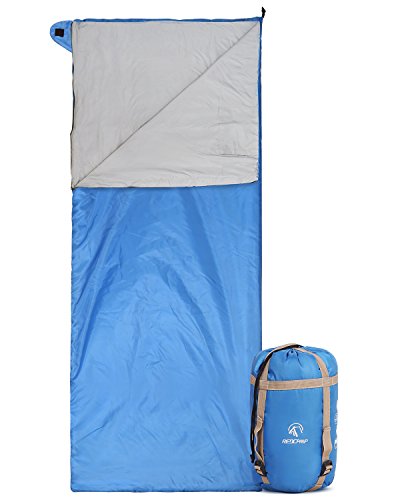
- Only 1.5 lb for easier carrying
- Compresses to about 7.9 x 4.7 in
- Two-way zipper converts to quilt
Best For: Spring and summer backpacking
Best Compact Comfort
Naturehike Envelope Sleeping Bag

- Weighs 1.68 lb and packs small
- Roomy 80.7 x 33.5 in design
- Durable, washable construction
Best For: Comfort-focused backpacking and travel
Warm Mummy Pick
TETON 20°F Lightweight Sleeping Bag

- 20°F rating with synthetic microfiber insulation
- Roomy footbox and zipper draft tube
- Includes stuff sack; weighs 2.9 pounds
Best For: Cooler-weather backpacking and camping
Ultralight Summer Pick
Portable Warm Weather Sleeping Bag

- Weighs just 1.5 pounds
- Converts to a blanket or quilt
- Includes compression sack and ventilation zippers
Best For: Mild-weather hiking, camping, and travel
Versatile 3-Season Pick

- Machine washable and water resistant
- 87-inch length suits taller adults
- Compression bag and adjustable ventilation features
Best For: Roomy spring-to-fall camping and travel
Best Lightweight Pick
ECOOPRO Warm Weather Sleeping Bag
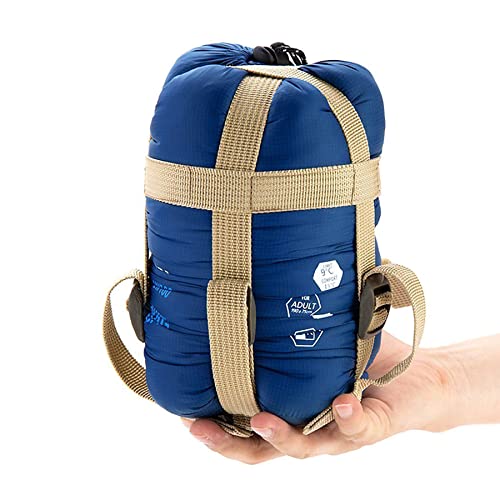
- 1.7-pound pack weight
- Waterproof nylon shell
- Compresses to about 11 inches
Best For: Warm-weather backpacking and camping
Best 3-Season Features
Sportneer 3-Season Sleeping Bag

- Hood with adjustable drawstring
- Two-way and bottom zippers
- Roomy 87-by-31.5-inch shape
Best For: Flexible spring-to-fall camping
Best All-Around Pick – MalloMe 3-Season Sleeping Bag
For shoppers comparing lightweight sleeping bags for varied camping conditions, the MalloMe offers a practical balance of coverage, durability, and packability. It is rated for roughly 50°F to 80°F, weighs about 3 pounds, and includes a compression sack for easier transport.
Best For: Year-round-minded campers, families, and casual backpackers who want a versatile rectangular bag.
Pros:
- Three-season comfort range suited to spring, summer, fall, and cool-weather trips.
- Water-resistant outer shell with double-layered construction and synthetic insulation.
- Includes a compression sack with straps and has washable, easy-care materials.
- Drawstring hood, snag-free double-sided zipper, and securing strap add convenience.
Cons:
- At about 3 pounds, it is heavier than the most ultralight options in this roundup.
- The supplied specifications list different temperature ranges, so users should treat the rating as approximate.
The MalloMe is a flexible choice when comfort and weather protection matter more than minimizing pack weight. Its roomy adult-friendly design and kid-suitable styling make it especially practical for shared household camping gear.
Best Warm-Weather Ultralight – REDCAMP Compact Sleeping Bag
If low carry weight is your priority, the REDCAMP is one of the lightest lightweight sleeping bags here. It weighs 1.5 pounds, compresses to about 7.9 by 4.7 inches, and is designed for spring and summer camping or hiking.
Best For: Warm-weather backpackers and travelers who prioritize a compact load.
Pros:
- At 1.5 pounds, it is easy to add to a backpack without much bulk.
- Comfort is listed at 68°F, with a broader stated range of 59°F to 77°F.
- Two-way reverse zipper can connect two bags or open fully as a quilt or blanket.
- Includes a compressed Oxford sack and an internal pocket for small belongings.
Cons:
- Its spring-and-summer rating makes it less suitable for colder conditions.
- The 75-inch length may feel short for some taller adults.
The REDCAMP stands out for minimalist warm-weather kits. Its low weight, small packed size, and convertible zipper make it a useful option for hikers who do not need a cold-weather bag.
Best Hooded 3-Season Value – oaskys Camping Sleeping Bag
The oaskys is a practical option among lightweight sleeping bags for campers who want a hood and extra flexibility at the foot. Its weather-resistant polyester shell, compression sack, and stated 50°F to 80°F comfort range support a variety of moderate outdoor trips.
Best For: Adults and kids camping in spring, summer, or fall who appreciate adjustable coverage.
Pros:
- Half-circle hood with drawstring helps retain warmth around the head.
- Separate bottom zipper lets you open the foot area for ventilation or movement.
- Waterproof, breathable outer fabric and double-filled construction help resist dampness.
- Compression sack with straps supports storage and carrying.
Cons:
- The listed 3-pound weight is not as light as the most backpacking-focused models.
- Its 10–20°C design range is better suited to moderate conditions than severe cold.
Choose the oaskys when adaptable ventilation and head coverage are more important than achieving the smallest possible pack weight. It offers useful comfort features for general camping and family trips.
Best Compact Comfort – Naturehike Envelope Sleeping Bag
For backpackers seeking lightweight sleeping bags with a roomy feel, the Naturehike combines a 1.68-pound weight with an 80.7-by-33.5-inch envelope shape. Its compact packed size and included compression sack make it convenient for hiking, travel, and camping.
Best For: Backpackers and travelers who want generous dimensions without a bulky sleeping bag.
Pros:
- Weighs 1.68 pounds and compresses to approximately 5 by 12 inches.
- Roomy dimensions allow an average-size adult or child to turn and reposition comfortably.
- Imitation silk-cotton fill is designed to save space while adding softness.
- Double-reinforced seams, tested zippers, durable fabric, and washable construction support regular use.
Cons:
- The supplied temperature details list both 59°F and 32°F, so buyers should verify the intended rating.
- As an envelope bag, it may provide less body-hugging warmth than a mummy-style design.
The Naturehike is compelling when packed size and interior room are equally important. Its modest weight and roomy envelope cut make it a strong fit for travel-oriented campers and recreational backpackers.
Warm Mummy Pick – TETON 20°F Lightweight Sleeping Bag
For campers and backpackers seeking lightweight sleeping bags with more cold-weather versatility, the TETON 20°F model combines synthetic microfiber insulation with a compressible design. Its mummy shape, roomy footbox, soft liner, and zipper draft tube are practical features for cooler nights.
Best For: Backpackers, hikers, and campers who want a 20°F-rated mummy bag with a compression sack and lifetime warranty coverage.
Pros:
- 20°F temperature rating and lofty microfiber insulation.
- Roomy footbox, soft liner, and zipper draft tube support comfort.
- Includes a stuff sack and weighs 2.9 pounds.
- Lifetime warranty covers qualifying material and workmanship defects.
Cons:
- At 2.9 pounds, it is heavier than the ultralight options in this roundup.
- The standard size is limited to a maximum recommended height of 72 inches.
This is a sensible choice when warmth and mummy-style insulation matter more than achieving the lowest possible pack weight. Use it with an insulated camp pad for better warmth.
Ultralight Summer Pick – Portable Warm Weather Sleeping Bag
Among lightweight sleeping bags for warm-weather trips, this model stands out for its 1.5-pound weight and compact compression sack. The rectangular shape, breathable washed cotton lining, and 50–70°F temperature range make it suited to summer camping and other mild conditions.
Best For: Warm-weather hikers, campers, travelers, and car campers who prioritize low weight and flexible use.
Pros:
- Weighs only 1.5 pounds and includes a compression bag.
- Two-way zipper allows two bags to connect or converts the bag into a blanket or quilt.
- Foot zippers provide extra ventilation, while pinch-resistant zippers and a Velcro collar add convenience.
- Designed for temperatures from 50°F to 70°F.
Cons:
- Its warm-weather range is not intended for cold camping.
- The 75-inch length may be restrictive for taller adults.
- The warranty is limited to 30 days.
This is the lightest option here and a practical choice for summer trips where packability matters most. Its convertible design also adds useful flexibility for indoor or outdoor use.
Versatile 3-Season Pick – PTEROMY Washable Sleeping Bag
For shoppers comparing lightweight sleeping bags for three-season use, the PTEROMY model offers a roomy rectangular design, water-resistant construction, and a compression bag. Its listed comfort range is 50°F–80°F, with a recommended limit extending to 40°F–90°F.
Best For: Taller campers and travelers who want a machine-washable, water-resistant sleeping bag for spring, summer, and fall.
Pros:
- Long 87-inch design accommodates adults up to 6–7 feet tall.
- Machine-washable hollowfiber cotton filling is designed to resist clumping.
- Water-resistant and windproof construction supports outdoor use.
- Includes a compression bag and weighs about 3 pounds.
Cons:
- At 3 pounds, it is not the lightest option for weight-focused backpacking.
- The rectangular shape may pack less compactly than a mummy design.
- The supplied details list a broad temperature range rather than a single standardized rating.
This bag makes the most sense for campers who value room, easy cleaning, and versatility over minimum trail weight. The bottom zipper, drawstring hood, and inner pocket add useful everyday functionality.
Best Lightweight Pick – ECOOPRO Warm Weather Sleeping Bag
For warm-weather trips where pack space and carry weight matter, the ECOOPRO is a practical choice among lightweight sleeping bags. Its nylon shell is waterproof, while the polyester lining is designed to feel breathable and skin-friendly. At 1.7 pounds, it compresses to about 11 inches for easier backpacking, hiking, and camping.
Best For: Warm-weather camping, backpacking, hiking, and anyone prioritizing a compact 1.7-pound setup.
Pros:
- Light 1.7-pound design compresses into a compact carrying sack.
- Waterproof nylon outer material helps resist damp conditions.
- 83-by-30-inch envelope shape fits most adults and can accommodate two children.
- Can also be used as a camping comforter.
Cons:
- Its stated 55–60°F comfort range is geared toward warm weather.
- The envelope design may provide less cold-weather coverage than a hooded bag.
The ECOOPRO stands out when low weight and easy storage are more important than deep-cold insulation. It is a sensible option for summer outings and mild conditions, but shoppers should match its temperature range to their expected overnight weather.
Best 3-Season Features – Sportneer 3-Season Sleeping Bag
The Sportneer combines a roomy rectangular shape with features useful across spring, summer, and fall trips. This option among lightweight sleeping bags includes a hood with an adjustable drawstring, a two-way zipper, and a bottom separating zip, while its compression sack makes transport more manageable for camping and hiking.
Best For: Campers who want a roomy 3-season bag with a hood, adjustable ventilation, and flexible zipper features.
Pros:
- 87-by-31.5-inch rectangular design accommodates users up to 7 feet tall.
- Adjustable hood drawstring helps retain warmth around the head.
- Two-way zipper and bottom zip provide ventilation and foot freedom.
- 190T polyester outer and pongee lining are designed for durability and comfort.
Cons:
- At 3.3 pounds, it is heavier than the ECOOPRO option.
- The listed comfort range of 50–80°F may not suit genuinely cold winter conditions.
The Sportneer is a feature-rich choice for shoppers who value room and adjustability over minimum pack weight. Its hood and opening options add versatility, though the 3.3-pound weight is worth considering for longer backpacking routes.
Best Budget Family Option – Waterproof 3-Season Sleeping Bag
This rectangular sleeping bag offers a practical balance of weather resistance, room, and portability for casual outdoor use. Its polyester shell is described as waterproof and breathable, while the hollow-fiber filling and adjustable hood support comfort in the listed 3-season temperature range. The included compression bag helps reduce its packed footprint.
Best For: Budget-conscious campers, kids’ outings, class camping, and vehicle emergency storage.
Pros:
- Waterproof, breathable polyester shell helps guard against dampness.
- Hood drawstring and foot zipper allow warmth adjustment.
- 86.6-by-31.5-inch shape offers room for users up to 5 feet 11 inches.
- Compression packing size is listed at 7.9–14.2 inches.
Cons:
- At 3.3 pounds, it is not the lightest option for extended backpacking.
- The listed 50–68°F design range is better suited to moderate conditions than severe cold.
- The stated height recommendation may be limiting for taller adults.
For casual camping and family-oriented use, this bag provides useful weather-resistant materials and adjustable ventilation at a practical packed size. It is less compelling for ultralight hikers or taller campers who need more room.
How We Picked These Lightweight Sleeping Bags
We focused on the features that matter most when carrying sleep gear outdoors: overall weight, packed size, insulation and temperature positioning, weather resistance, closure design, and ease of transport. The selection includes warm-weather envelope bags, compact backpacking models, and warmer mummy-style options for cooler conditions.
Because listed comfort ratings and real-world warmth can vary by sleeper, clothing, pad, and campsite conditions, treat temperature claims as a comparison point rather than a guarantee. A properly insulated sleeping pad is also essential for staying warm.
Quick Comparison
| Best For | Look For | Typical Design |
|---|---|---|
| Summer camping | Low weight and ventilation | Lightweight envelope |
| Three-season trips | More insulation and draft control | Roomy or mummy-shaped |
| Backpacking | Small compressed size | Ultralight compact bag |
| Family camping | Easy care and flexible sizing | Roomier rectangular bag |
| Cool-weather use | Lower temperature rating and hood | Insulated mummy bag |
Key Buying Factors for Lightweight Sleeping Bags
Temperature Rating
Choose a bag rated below the coldest temperature you reasonably expect, especially if you tend to sleep cold. Warm-weather bags are often best for summer and indoor or mild-climate camping, while three-season designs offer greater flexibility.
Weight and Packed Size
For backpacking, compare total weight and compressed dimensions rather than focusing only on the word “ultralight.” A slightly heavier bag may be worthwhile if it provides substantially better warmth or durability. Compression sacks can reduce bulk, but do not store insulation compressed for long periods.
Shape, Fit, and Ventilation
Mummy bags usually conserve heat and reduce weight, while rectangular and envelope styles provide more room to move. Check the stated length and shoulder or hip dimensions. Two-way zippers, foot ventilation, and the ability to open the bag flat can make a major difference in warm weather.
Weather Protection and Maintenance
Water-resistant shells help protect against condensation and light moisture, but they are not a substitute for a shelter. Look for practical details such as snag-resistant zippers, draft tubes, durable stitching, and machine-washable construction when easy maintenance matters.
Who Should Buy Which Lightweight Sleeping Bags?
Choose a compact warm-weather model if you prioritize the smallest carry and usually camp in summer. A three-season option is the better all-purpose choice for unpredictable spring, fall, and mild mountain conditions. Backpackers should prioritize packed size, weight, and insulation efficiency, while car campers and families may prefer extra room and simpler cleaning over minimum weight.
If you sleep cold, select a warmer-rated mummy bag and pair it with an insulated sleeping pad. If you sleep warm or camp in humid climates, prioritize ventilation and a breathable, easy-to-open design. Finally, verify the bag’s dimensions and temperature specifications before purchase, since fit and personal comfort can matter as much as the advertised weight.