
Choosing the right camera can make a bigger difference to your FPV experience than almost any other upgrade. From tiny whoops to high-speed racing builds, the best FPV drone camera modules balance latency, low-light performance, field of view, and size.
Below, we focus on practical buying factors so you can match the camera to your build, flying style, and video system without overpaying for features you will not use.
Best 8 Fpv Drone Camera Modules Picks for 2026
Best for Durable Analog FPV
RunCam Phoenix 2 SPV5 Micro Camera

- 1000TVL analog image with Global WDR
- Compact 19x19mm size for many builds
- Replaceable lens hood reduces glare and adds protection
Best For: Freestyle and racing pilots who need a durable micro analog FPV camera.
Best Thermal FPV Vision
Thermal FPV 256x192 9mm CVBS Module

- Thermal imaging for heat-signature detection
- CVBS output fits many analog FPV setups
- Compact 9mm, micro-sized drone module
Best For: FPV pilots needing a lightweight thermal camera for search, inspection, or night use.
Best for Night Flying
FPV Camera Ratel 2 1200TVL Starlight
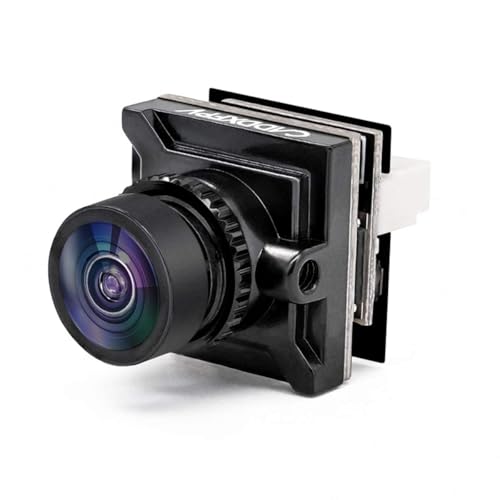
- Starlight sensor improves low-light image quality.
- 165° FOV with Super WDR boosts situational awareness.
- Tiny 14x14mm, 3g design fits most FPV builds.
Best For: Pilots who want a compact FPV camera that performs especially well at dusk, indoors, or in other low-light conditions.
Best All-in-One Tiny Whoop Pick

- Camera, VTX, and antenna in one compact unit
- Switchable 0/25mW/50mW/200mW output
- Only 4.7g for ultra-light micro builds
Best For: Tiny Whoop and ultra-micro pilots who want a simple all-in-one FPV camera module.
Best for Micro Builds
RunCam Robin 3 Micro FPV Camera

- 19×19mm micro size for tight frames
- 1/3" 4:3 CMOS sensor with 150° FOV
- 6-pin universal interface with menu settings
Best For: Compact analog FPV, RC car, and RC plane builds that need a tiny camera with a wide view.
Best for Low-Light FPV
Readytosky 2000TVL Mini Camera

- 2000TVL output for a sharper FPV feed
- 1/1.8" Starlight HDR sensor for dim conditions
- Compact, low-power design with PAL/NTSC switching
Best For: Pilots flying in low light who want a tiny analog FPV camera with easy compatibility.
Best for Radio-Link Control
Radiolink 5.8G FPV Camera 48CH 800TVL

- Smartaudio enables transmitter-based channel and power control
- Adjustable 25mW/100mW/200mW output for flexible range
- Tiny, lightweight body fits mini drones and RC builds
Best For: Radiolink users and compact FPV builds that need easy remote tuning.
Best with Extra Features

- Ultra-compact 4g design suits toothpick and micro quads
- 170°/155° wide-angle view supports close-quarters FPV flying
- Auto D-WDR, AGC, and shutter control help stabilize the image
Best For: Micro FPV pilots who need a tiny analog camera for lightweight builds.
Best for Durable Analog FPV – RunCam Phoenix 2 SPV5 Micro Camera
If you want a tough analog option in the world of fpv drone camera modules, the RunCam Phoenix 2 SPV5 is built for pilots who care about clear image handling, wide viewing angles, and reliable everyday use. Its 1/2″ CMOS sensor, Global WDR, and 160° FOV make it a practical pick for freestyle, racing, and mixed RC builds.
Best For: Freestyle and racing pilots who want a compact, durable micro FPV camera with strong daylight-to-low-light performance.
Pros:
- 1000TVL analog output with Global WDR for more balanced image detail
- Micro 19x19mm form factor fits many drones, cars, and planes
- Replaceable lens hood helps reduce glare and protect the lens
- Easy menu setup with 6-pin connector support and selectable aspect ratios
Cons:
- Analog-only camera, so it is not for digital FPV systems
- Wide FOV can introduce more edge distortion for some pilots
- Menu tuning may take a bit of setup if you want the best image
For pilots comparing fpv drone camera modules, this one stands out for its rugged build and all-around analog performance rather than flashy extras. It is a sensible upgrade if you want a small camera that can handle regular use and still deliver a sharp, flexible FPV image.
Best Thermal FPV Vision – Thermal FPV 256×192 9mm CVBS Module
If you need thermal awareness in a compact package, this FPV camera module is built for practical drone use. It fits the fpv drone camera modules category well thanks to its small size, CVBS output, and thermal-imaging focus for spotting heat signatures in the air.
Best For: FPV pilots who want a lightweight thermal camera for search-and-rescue, inspection, or low-light observation flights.
Pros:
- Thermal imaging helps reveal heat signatures that standard cameras miss
- CVBS output keeps it compatible with many common FPV transmitters and displays
- Compact 9mm lens and micro build suit smaller drone setups
- Available in multiple resolution options for different visibility needs
Cons:
- CVBS is an older analog format, so image quality won’t match modern digital systems
- Thermal modules are typically more expensive than basic FPV cameras
- May require careful integration depending on your drone’s power and mounting setup
This is a specialized pick, not a general-purpose FPV camera, but that’s exactly why it stands out. For pilots comparing fpv drone camera modules, it makes the most sense when thermal detection matters more than raw image sharpness.
Best for Night Flying – FPV Camera Ratel 2 1200TVL Starlight
If you’re comparing fpv drone camera modules for low-light performance and a wide, pilot-friendly view, the Caddx Ratel 2 is a strong option. Its starlight sensor, 1200TVL output, and 165° field of view make it a practical pick for racers and freestyle pilots who want a clearer image without adding much weight.
Best For: Pilots who want a compact FPV camera that performs especially well at dusk, indoors, or in other low-light conditions.
Pros:
- 1/1.8-inch starlight sensor helps deliver noticeably better night visibility.
- 165° FOV and Super WDR improve awareness in fast, changing light.
- Compact 14x14mm micro size and 3g weight suit most FPV frames.
- Switchable NTSC/PAL plus 4:3 and 16:9 support add compatibility.
Cons:
- Not the cheapest choice if you only need a basic daytime camera.
- Wide-angle view can make distant objects look smaller.
For pilots shopping fpv drone camera modules, the Ratel 2 stands out more for image clarity in difficult lighting than for raw affordability. It is a smart buy if your priority is a compact camera that keeps the picture usable when the light drops.
Best All-in-One Tiny Whoop Pick – AKK BA3 AIO FPV Camera VTX
If you’re comparing fpv drone camera modules for ultra-light builds, the AKK BA3 stands out because it combines the camera, 5.8GHz transmitter, and antenna into a single 4.7g unit. It’s a practical fit for tiny whoops and micro aircraft that need low weight, simple wiring, and switchable power for different flying environments.
Best For: Tiny Whoop and ultra-micro pilots who want an all-in-one camera/VTX setup with easy power-level switching.
Pros:
- All-in-one camera, VTX, and antenna keeps builds compact
- Switchable 0/25mW/50mW/200mW output for indoor or outdoor use
- Very light at 4.7g, making it well-suited to micro quads
- Low-light upgrade helps in dimmer flying conditions
Cons:
- Requires a 1S LiPo, so it’s limited to compatible ultra-micro builds
- Not ideal if you want a more advanced standalone camera or VTX
- Best range and clarity depend on a clean 5.8GHz setup and antenna placement
For fpv drone camera modules in the smallest categories, this is a straightforward value play: less wiring, less weight, and enough transmit power options to cover casual indoor flights through modest outdoor use. It’s a strong choice when simplicity matters more than customization.
Best for Micro Builds – RunCam Robin 3 Micro FPV Camera
If you need fpv drone camera modules that fit tight builds without giving up a usable field of view, the RunCam Robin 3 is a practical pick. Its 19×19mm micro size, 5.3g weight, and 150° wide angle make it a solid match for compact FPV drones, RC cars, and RC planes.
Best For: Pilots building lightweight 4:3 FPV setups who want a compact camera with easy menu control and flexible analog compatibility.
Pros:
- 1/3" 4:3 CMOS sensor gives a more vertical-friendly view for FPV flying
- Micro 19×19mm footprint fits many small drone and RC builds
- 6-pin universal interface supports on-camera menu settings
- Switchable NTSC/PAL and selectable 4:3 modes add setup flexibility
Cons:
- Analog-style camera, so it is not for digital FPV systems
- Micro format may be too small for pilots who prefer larger housing and mounting options
Overall, the Robin 3 is a sensible choice if you want fpv drone camera modules geared toward compact analog builds and dependable everyday flying. It focuses on size, compatibility, and a wide practical view rather than extras you may not need.
Best for Low-Light FPV – Readytosky 2000TVL Mini Camera
If you want fpv drone camera modules that prioritize visibility in dim conditions, this Readytosky mini camera is a practical pick. Its 1/1.8″ Starlight HDR sensor, 2000TVL output, and 2.1mm lens are aimed at delivering a sharper, brighter feed for everyday FPV flying and compact builds.
Best For: Pilots who fly in low light and want a small, lightweight camera with easy PAL/NTSC switching.
Pros:
- Starlight HDR sensor helps improve image quality in low-light scenes.
- Super-compact design keeps weight down for small FPV drone builds.
- PAL/NTSC switchable for broader compatibility with different setups.
- 2.1mm lens and 16:9 format suit general-purpose FPV flying.
Cons:
- Not a premium digital system camera, so detail and dynamic range are still analog-limited.
- 2.1mm fixed lens may not suit pilots who want a wider or narrower field of view.
- Separate OSD setup may require a bit more installation effort.
Overall, this is a smart option for fpv drone camera modules if your priority is a compact, low-power camera that performs well when lighting gets tricky. It is especially appealing for pilots who value simple analog compatibility and a smaller footprint over advanced features.
Best for Radio-Link Control – Radiolink 5.8G FPV Camera 48CH 800TVL
If you want fpv drone camera modules that are easy to tune from your transmitter, this Radiolink option is built around convenience. It supports external OSD and Smartaudio, so channel and power changes can be handled remotely instead of by pressing tiny buttons on the camera body.
Best For: Pilots using Radiolink gear who want a compact 5.8G FPV camera/module with transmitter-based control for drones, RC cars, and other small builds.
Pros:
- Smartaudio support lets you adjust frequency and power from the transmitter
- Selectable 25mW, 100mW, and 200mW output for different range needs
- Very small and lightweight, making installation easier on mini quads
- Works with RC8X FPV setups and Radiolink F121 FPV drones
Cons:
- Most useful if you already use Radiolink-compatible equipment
- 800TVL is solid, but not the sharpest option in the category
- Best suited to smaller builds rather than larger, high-end FPV platforms
This is a practical pick for builders who value simple integration and remote control over raw image quality. Among fpv drone camera modules, it stands out more for setup flexibility and compact size than for premium imaging features.
Best with Extra Features – RunCam FPV Camera Nano 2
If you need one of the most compact fpv drone camera modules for a toothpick quad, tiny racing build, or lightweight RC platform, the RunCam FPV Camera Nano 2 is built around size, simplicity, and a wide view. Its 700TVL output, 170°/155° field of view, and auto image adjustments make it a practical analog option for pilots who want a small camera that still delivers usable FPV clarity.
Best For: Toothpick-style quads, micro FPV builds, and other RC models where low weight and a wide-angle analog feed matter most.
Pros:
- Very small and light, making it easy to fit on micro airframes
- Wide field of view helps with situational awareness in tight flying
- Auto D-WDR, AGC, and electronic shutter improve image handling
- NTSC analog output keeps it compatible with standard FPV gear
Cons:
- Analog 700TVL is solid for FPV, but not high-definition
- Fixed 4:3 format may not suit pilots who prefer widescreen framing
- Best suited to small builds, not heavier rigs that can carry larger cameras
For pilots shopping fpv drone camera modules with minimal weight and dependable analog performance, this camera stands out as a straightforward micro-build choice. It is not the most advanced camera here, but it hits the core needs of compact FPV setups very well.
How We Picked These Fpv Drone Camera Modules
We prioritized cameras that fit common analog FPV builds, including micro quads, toothpicks, racing drones, and all-in-one mini systems. The best picks emphasize real-world usability: image clarity, sensor quality, latency-friendly analog output, size and weight, lens options, and support for NTSC/PAL switching where applicable.
We also looked for options that serve different flying conditions, from bright outdoor racing to low-light park flying and specialized thermal use cases.
Quick Comparison
In this group, some Fpv Drone Camera Modules are aimed at maximum compactness for tiny builds, while others prioritize a larger sensor or stronger low-light performance. A few offer integrated video transmitters, which can simplify wiring on ultra-small aircraft. Thermal and high-resolution mini cameras stand out for niche applications, but they are not the best choice for every pilot.
Key Buying Factors for Fpv Drone Camera Modules
Sensor and Low-Light Performance
A larger or more sensitive sensor usually helps in dusk, shade, and indoor environments. If you fly at sunrise, under trees, or indoors, look for starlight-capable cameras or models known for better shadow detail and less noise.
Field of View
Wide FOV helps with situational awareness and fast turns, but too much width can make speed look compressed. Racing pilots often like a wider view, while freestyle and cinematic-style flyers may prefer a more balanced angle.
Latency and Video Output
For analog FPV, low latency is critical. Make sure the module matches your system, whether CVBS analog video, integrated VTX, or a specialized transmitter setup. If you are building a race quad, keep the signal path simple.
Size, Weight, and Mounting
Micro frames have very limited space, so weight and dimensions matter. A few grams can affect handling on tiny whoops and toothpicks, so choose the smallest camera that still meets your image-quality needs.
Compatibility and Switching
Check NTSC/PAL support, voltage requirements, connector type, and whether the camera works with your flight controller or VTX. For Fpv Drone Camera Modules with OSD or transmitter features, confirm channel and power options before buying.
Who Should Buy Which Fpv Drone Camera Modules?
Racing pilots should favor fast, wide, low-latency cameras with strong dynamic range. Freestyle flyers may want a more versatile image and solid low-light performance for mixed lighting.
Tiny whoop and toothpick builders should focus on compact, lightweight models, especially all-in-one units if wiring space is tight. Specialized users who fly search, inspection, or night missions may benefit from thermal or higher-sensitivity cameras instead of standard analog modules.
The best choice is the one that matches your frame size, lighting conditions, and flying style. If you start with those three factors, it becomes much easier to narrow down the right camera quickly.