
The best engineering building sets turn screen-free play into practical problem-solving. For less than $50, this lineup includes metal construction kits, structural design sets, solar robots, model engines, and open-ended building systems.
Use the guide below to compare complexity, included features, age suitability, and the kind of learning each set supports before choosing a kit.
Best 10 Engineering Building Sets Under 50 Picks for 2026
Best Metal Build
236-Piece Erector Engineering Set

- 236 metal pieces for model building
- Step-by-step guide plus open-ended tinkering
- Supports fine-motor and problem-solving skills
Best For: Young builders who enjoy hands-on metal construction
Best Structural STEM Set
Bridges & Skyscrapers Engineering Kit

- Build 20 bridge and skyscraper models
- Explores load, force, tension, and compression
- Includes 285+ pieces and a 36-page manual
Best For: Intermediate learners studying structural engineering
Best Solar Robotics Pick
12-in-1 Solar Robot Building Kit

- 190 parts support 12 robot, car, and boat builds
- Explores solar power and renewable energy
- Works outdoors or indoors with a flashlight
Best For: Kids interested in robotics and solar-energy projects
Best Working Model
4-Cylinder Engine Building Kit
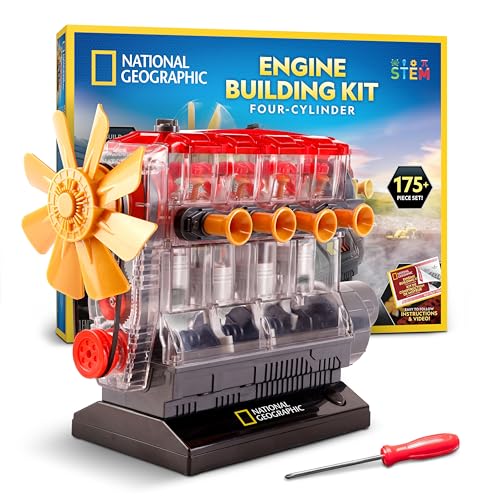
- Builds a clear four-cylinder engine
- Shows moving pistons, valves, and gears
- Includes 175+ parts, tools, and learning guide
Best For: Older kids interested in cars and mechanical engineering
Best Urban Rescue Starter
136-Piece Urban Engineering Set

- Builds seven rescue-themed models
- Washable, reusable ABS blocks
- Supports creativity and dexterity
Best For: Younger builders who enjoy rescue vehicles and beginner-friendly projects
Best Multi-Model STEM Value
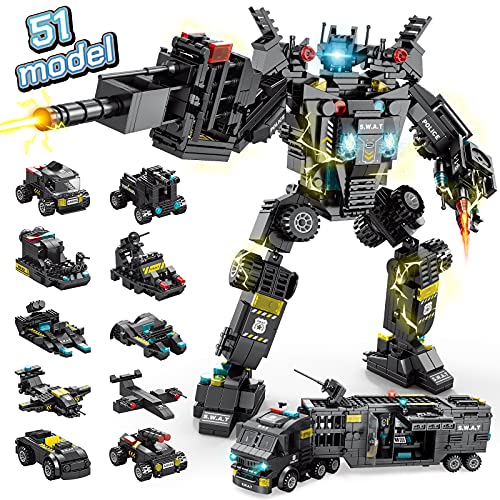
- 700 pieces support 51 models
- Step-by-step instructions included
- Builds problem-solving and spatial skills
Best For: Kids who want many robot-themed projects from one kit
Best Working Engine Project

- 660-piece visible V8 engine build
- Moving parts, LEDs, and app control
- Designed for ages 8 and up
Best For: Older kids and adults interested in mechanical engineering and car models
Best Budget STEM Starter

- 600 colorful tubes and connectors
- Includes wheels and storage box
- Designed for ages 3 and up
Best For: Young children who enjoy open-ended group construction
Best Mechanical Learning Pick
WINGIFT V8 Engine Building Set

- 478-piece realistic V8 model
- Motorized pistons and transparent cover
- For ages 8 and up; batteries required
Best For: Beginning mechanical-model builders and STEM learners
Best Advanced Engine Project

- Detailed 703-piece V8 model
- USB-powered motor with visible pistons
- Recommended for ages 14 and up
Best For: Older teens and adults who enjoy car mechanics
Best Metal Build – 236-Piece Erector Engineering Set
For shoppers comparing engineering building sets under 50, this 236-piece metal erector kit offers a hands-on way for kids ages 8 and up to build models, practice mechanical assembly, and explore creative problem-solving. The included step-by-step guide supports beginners while leaving room for independent tinkering.
Best For: Young builders, aspiring engineers, and families seeking a reusable metal construction set for collaborative STEM play.
Pros:
- 236 metal pieces support multiple building and car-model projects.
- Designed to develop fine-motor skills, hand-eye coordination, logic, and problem-solving.
- Includes updated step-by-step assembly instructions.
- No batteries are required, and the materials are described as washable and child-friendly.
Cons:
- The manufacturer recommends adult-level use as well as advanced kids and teens, so younger children may need help.
- Metal assembly may be more demanding than simpler plastic building toys.
This is a strong value-oriented choice when you want a traditional erector experience with durable metal components and open-ended building potential.
Best Structural STEM Set – Bridges & Skyscrapers Engineering Kit
This Thames & Kosmos kit is a focused option among engineering building sets under 50 for children ages 8 to 14 who want to understand how structures work. Builders can create 20 models while exploring concepts such as force, load, compression, and tension.
Best For: Intermediate learners interested in bridges, skyscrapers, structural design, and mechanical physics.
Pros:
- Supports 20 different structural models.
- Includes more than 285 interchangeable plastic building pieces.
- Comes with a 36-page illustrated experiment manual and assembly guide.
- Introduces practical engineering concepts including tension and compression.
Cons:
- The intermediate skill level may be challenging for children new to construction sets.
- Its focus is structural modeling rather than broad open-ended building.
Choose this set when the learning goal matters as much as the finished models; its manual-led experiments make the engineering principles especially clear.
Best Solar Robotics Pick – 12-in-1 Solar Robot Building Kit
For families seeking engineering building sets under 50 with a renewable-energy angle, this Sillbird kit combines 190 parts with 12 robot, car, and boat builds. It is designed for children ages 8 to 12 and can be used outdoors in sunlight or indoors with a flashlight.
Best For: Kids who enjoy robotics, rebuilding projects, and introductory solar-energy exploration.
Pros:
- Offers 12 build experiences that progress from simpler to more advanced models.
- Uses a solar panel to introduce renewable-energy concepts.
- Can be explored indoors or outdoors, depending on available light.
- Clear step-by-step instructions support independent building or parent-child projects.
Cons:
- Solar performance depends on sufficient sunlight or a suitable flashlight.
- The plastic construction may feel less substantial than a metal engineering set.
This is a versatile pick for children who like variety: the multiple rebuilds add replay value, while the solar mechanism gives the construction activity a clear science connection.
Best Working Model – 4-Cylinder Engine Building Kit
This National Geographic engine kit stands out among engineering building sets under 50 by turning assembly into a visible mechanical demonstration. Recommended for ages 10 and up, it includes more than 175 parts and creates a clear four-cylinder model with moving pistons, valves, and gears.
Best For: Older children who are fascinated by cars, engines, mechanics, and moving STEM models.
Pros:
- Builds a clear working four-cylinder engine model.
- Moving pistons, valves, and gears demonstrate mechanical action.
- Includes tools, illustrated instructions, and a learning guide.
- Provides a focused introduction to engine construction and engineering.
Cons:
- Requires three AA batteries, which are not included.
- The 10-and-up recommendation and detailed assembly may require adult assistance for some builders.
If the recipient prefers seeing a mechanism operate rather than repeatedly rebuilding different models, this engine kit offers a more focused and engaging mechanical project.
Best Urban Rescue Starter – 136-Piece Urban Engineering Set
If you’re comparing engineering building sets under 50, this 136-piece urban rescue kit is a compact option for younger builders. It supports hands-on construction through seven themed models, including an airplane, vehicles, and a submarine, while remaining compatible with other building toys.
Best For: Kids ages 6–12 who enjoy rescue vehicles, imaginative construction, and shorter beginner-friendly projects.
Pros:
- Includes enough pieces to build seven themed models.
- Smooth, durable ABS blocks are washable and reusable.
- Encourages concentration, dexterity, spatial awareness, and creativity.
- Can be combined with previously owned building blocks.
Cons:
- The set is relatively small compared with larger multi-model kits.
- Adult supervision is recommended during use.
This is a practical pick when you want an accessible engineering-themed set with rescue play value. Its modest piece count may suit beginners better than children seeking a complex long-term build.
Best Multi-Model STEM Value – 51-in-1 Robot Building Kit
For shoppers seeking engineering building sets under 50 with plenty of replay value, this 700-piece robot kit offers 51 possible models. The included instructions guide assembly step by step, while the broad model count gives kids room to practice construction and experiment with new designs.
Best For: Children ages 8–12 who want a substantial robot-themed STEM building challenge and multiple projects in one kit.
Pros:
- 700 pieces can be assembled into up to 51 models.
- Detailed instructions support guided building.
- Develops hand-eye coordination, spatial reasoning, and problem-solving skills.
- Compatible with other STEM building toys for expanded designs.
Cons:
- The larger piece count may be challenging for younger or less experienced builders.
- Manual assembly requires patience and careful organization.
This kit stands out for variety: children can follow the instructions or use the pieces for their own creations. It is a stronger choice than a single-build set for kids who enjoy repeating the build-and-rebuild process.
Best Working Engine Project – OWNONE V8 Engine Model Kit
If your shortlist of engineering building sets under 50 includes a more advanced mechanical project, the OWNONE V8 kit offers 660 pieces and an interactive finished model. Its transparent design exposes piston movement and other engine details, while LED lighting and app control add a technology-focused element.
Best For: Kids ages 8 and up, teens, adults, and car enthusiasts interested in mechanical engineering and display-worthy builds.
Pros:
- Recreates a visible eight-cylinder V8 engine with moving mechanical details.
- Includes LED lighting, app connectivity, and simulated engine sounds.
- Step-by-step packaging and instructions support assembly.
- Finished model works as an educational display piece.
Cons:
- The 660-piece build is more involved than a basic starter set.
- Requires one included C battery and uses app-controlled features.
- Its car-engine theme may appeal less to children who prefer vehicles or robots as play models.
This is the most mechanically focused option in the group. Choose it when transparent moving parts, STEM learning, and interactive features matter more than quick assembly or simple freeform building.
Best Budget STEM Starter – 600-Piece Straw Constructor
If you are comparing engineering building sets under 50 for younger children, this 600-piece straw constructor is a flexible, collaborative option. The colorful tubes and connectors support open-ended building, while the included storage box helps keep the large collection organized.
Best For: Preschool and early elementary children ages 3 and up who enjoy imaginative, hands-on construction with siblings or friends.
Pros:
- 600 pieces support building animals, vehicles, castles, robots, and other shapes.
- Includes wheels and multi-directional connectors for more varied designs.
- Suitable for indoor or outdoor group play and teamwork.
- Storage box, non-toxic materials, and stated CPSIA and ASTM certifications add practical convenience.
Cons:
- Its simple tube-and-connector format may be less engaging for older children seeking advanced mechanical builds.
- It requires manual construction and does not include powered components.
This is the most accessible choice in the group for younger builders. It emphasizes creativity, coordination, and social play rather than realistic mechanical function.
Best Mechanical Learning Pick – WINGIFT V8 Engine Building Set
For shoppers seeking engineering building sets under 50 with a more focused mechanical theme, this 478-piece V8 engine kit offers a detailed build and working demonstration. Its motorized design, transparent cylinder cover, and moving pistons make the assembly more instructive than a standard block set.
Best For: Teens ages 8 and up, adults, and mechanical-model enthusiasts interested in learning how engine components work together.
Pros:
- Models piston movement, valve train, turbocharger, and exhaust-system details.
- Transparent cylinder cover provides a clear view of the piston action.
- Includes a motor and battery box for a running display.
- 478-piece build supports hands-on creativity and problem-solving.
Cons:
- Requires six AA batteries, which are not included.
- The realistic engine focus may be less suitable for children wanting open-ended building.
This kit is a strong middle ground between a construction project and a display model. Choose it when visible motion and engine concepts matter more than a large variety of interchangeable builds.
Best Advanced Engine Project – 703-Piece Running V8 Kit
This 703-piece V8 model is a more involved option among engineering building sets under 50, with a realistic car-engine layout and a motorized demonstration. The transparent cylinder heads let builders watch the pistons move after assembly, making the finished model both a project and a display piece.
Best For: Teens ages 14 and up, adults, and car fans who want a detailed STEM or physical-science building project.
Pros:
- 703 pieces provide a substantial, detail-oriented assembly experience.
- Transparent cylinder heads show simulated piston movement from both sides.
- USB charging motor requires no replaceable batteries.
- ABS construction and stated ASTM and CPSIA testing support its intended educational use.
Cons:
- Its 14-and-up recommendation makes it less appropriate for younger children.
- The specialized V8 design offers less open-ended play than general-purpose building sets.
Among these options, this is the better fit for older builders who want a deeper, more collectible engine project. Its USB-powered motion and visible internals add appeal after the assembly is complete.
How We Picked the Best Engineering Building Sets Under 50
We focused on kits that offer meaningful construction rather than simple assembly alone. The selection spans mechanical linkages, structural engineering, robotics, renewable-energy concepts, engines, vehicles, and open-ended building. We also considered the stated age range, approximate piece count, number of possible models, working features such as motors or lights, and whether the kit encourages repeated builds.
Because prices and package contents can change, confirm the current listing for dimensions, required batteries, tools, app access, and replacement-part availability before ordering.
Quick Comparison
| Best For | Look For | Typical Pick From This List |
|---|---|---|
| Traditional construction | Metal parts, fasteners, and mechanical builds | Erector-style kits |
| Structures | Bridges, towers, load-bearing design | Structural engineering sets |
| Robotics | Multiple builds, motors, solar or app control | Robot building kits |
| Mechanical science | Moving pistons, visible mechanisms, motorized parts | Engine model kits |
| Open-ended play | Large assortments of tubes, blocks, or connectors | Interlocking construction systems |
Key Buying Factors
Age, Patience, and Supervision
Age labels are useful starting points, but assembly difficulty varies widely. Small fasteners and detailed engine parts may suit older children, teens, or adults, while larger connectors are easier for younger builders. Younger users may need help sorting parts, following diagrams, and using tools safely.
Build Variety and Replay Value
A kit with several models offers guided variety, while an open-ended parts system may provide more creative freedom. Check whether the advertised model count represents genuinely different builds or minor variations. A strong choice should remain interesting after the first completed model.
Working Features and Power Requirements
Motors, LEDs, solar panels, moving pistons, and app controls can make a build more engaging, but they also add setup requirements. Verify whether batteries, a smartphone, tools, or downloads are needed. Working mechanisms are especially valuable when the goal is to demonstrate motion, energy transfer, or basic circuitry.
Part Quality and Organization
Metal kits can provide a classic mechanical-building experience but may require careful tightening. Plastic blocks and tubes are usually lighter and faster to rebuild. For larger sets, labeled bags, clear instructions, and spare connectors can make a noticeable difference.
Who Should Buy Which Engineering Building Sets Under 50?
Choose an Erector-style metal set for a child who enjoys nuts, bolts, and traditional construction. A bridge-and-skyscraper kit suits builders interested in balance, stability, and real-world structures. Robot kits are a better match for children who want moving creations, multiple projects, or solar and app-based features.
Engine model kits are ideal for older children, teens, and adults who enjoy visible mechanical motion and detailed assembly. For younger builders or group play, a large interlocking tube or block set offers easier handling and more imaginative freedom. Match the kit to the builder’s patience and interests—not just the advertised piece count.