
Compact logic analyzers are a smart choice when you need to trace digital signals without hauling around a full lab setup. They’re especially useful for UART, I2C, SPI, CAN, and general-purpose debugging on embedded projects.
In this roundup, we focus on 10 options that balance channel count, sampling speed, software support, and portability so you can pick the right tool for your workflow.
Best 10 Compact Logic Analyzers Picks for 2026
Budget 8-Channel Starter
HiLetgo USB Logic Analyzer Device

- 8 channels, up to 24MHz sampling
- Supports UART, IIC, and SPI debugging
- Input range: -0.5V to 5.25V
Best For: Entry-level embedded debugging on a budget
Compact Cross-Platform Pick

- 8 channels at up to 24MHz
- Works with Windows, Linux, and Mac
- PulseView support with 100+ protocol decoders
Best For: Cross-platform users who want a small, protected analyzer
Saleae-Friendly Value Pack
1Set USB Logic Analyzer Device Set

- 8 channels with 24MHz sampling
- Works with Saleae software and PulseView
- Includes USB cable and 10 Dupont lines
Best For: Bench users who want software compatibility and bundled leads
High-Performance Compact Upgrade
DSLogic Plus USB-Based Logic Analyzer

- 16 channels with dual-mode capture
- Up to 400MHz buffer-mode sampling
- DSView works on Windows, macOS, and Linux
Best For: Advanced capture jobs that need speed and depth
Ultra-Portable 8-Ch Starter Pick
Mini 8-Ch 24MHz Analyzer for Arduino Debug

- 8 channels with 24MHz capture on Linux
- Sigrok/PulseView support with 100+ decoders
- Tiny 50mm x 20.32mm Type-C design
Best For: Portable Arduino, Pi, and STM32 debugging
High-Speed Lab Runner-Up
LA2016 16-Ch 200MHz Logic Analyzer

- 16 channels with 200MHz sampling
- 1Gbits memory and 20+ protocol decoding
- Works with Windows, Mac OS, and Linux
Best For: Complex multi-signal debugging with deeper captures
Breadboard-Friendly Kit Choice
8-Ch 24MHz Analyzer with Adapters

- Breadboard adapter and breakout board included
- 8-channel 24MHz capture for common protocols
- USB-A and Type-C cables plus clips
Best For: Breadboard prototyping and beginner-friendly setup
Portable Pocket Pick
MINIWARE LA104 Pocket Logic Analyzer

- Pocket-sized handheld design
- 4 channels, 100Msa/s max rate
- Built-in screen, battery, and 8MB storage
Best For: Beginners and hobbyists who need a portable handheld analyzer
High-Capacity USB Pick
DSLogic Plus 16-Channel Logic Analyzer
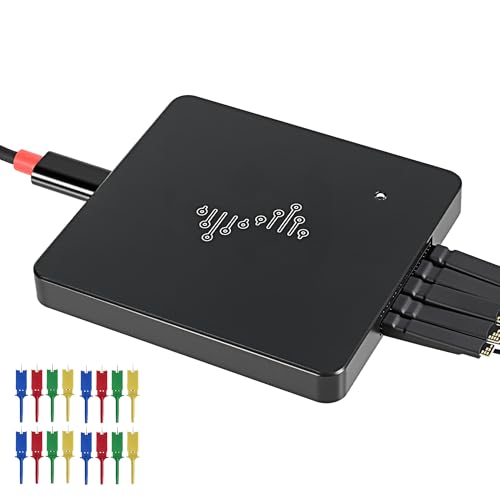
- 16 channels with 400MHz sampling
- Stream and buffer modes for long or fast captures
- Works with Windows, macOS, and Linux
Best For: PC-based users who need deeper captures and more channels
Budget Debugging Pick
hiBCTR 8-Channel USB Protocol Analyzer

- 8 channels with 24MHz sampling
- Works with Sigrok PulseView and common decoders
- Supports 5V, 3.3V, 2.5V, and 2.0V logic levels
Best For: Affordable everyday UART, I2C, and SPI troubleshooting
Budget 8-Channel Starter – HiLetgo USB Logic Analyzer Device
If you want one of the more compact logic analyzers for basic digital debugging, this HiLetgo USB unit focuses on the essentials: 8 channels, 24MHz sampling, and broad protocol-friendly use for UART, IIC, and SPI work. It’s a simple pick for general-purpose embedded troubleshooting when you need a low-cost capture tool rather than advanced memory depth or high-end analysis features.
Best For: Budget-conscious users who need a straightforward 8-channel logic analyzer for everyday embedded debugging.
Pros:
- 8 channels with up to 24MHz sampling per channel
- Supports UART, IIC, SPI debug use cases
- Wide input range from -0.5V to 5.25V
- Compact USB Type-A design with included cable and ferrite ring
Cons:
- No advanced memory-depth or long-capture specs listed
- Best suited to general applications around 10M, not higher-end work
- Basic feature set compared with more capable compact logic analyzers
This is a practical entry-level choice if you mainly need protocol visibility and moderate-speed capture in a small USB package. It covers the common debugging jobs well, but buyers needing deeper capture or faster performance should look higher up the range.
Compact Cross-Platform Pick – 8-Ch Mini USB Logic Analyzer
This mini USB model is a strong fit if you want compact logic analyzers that are easy to use across common desktop platforms. It pairs a 24MHz, 8-channel capture rate with PulseView support, so it’s aimed at practical protocol inspection and everyday hardware debugging rather than maximum performance.
Best For: Users who want a small, cross-platform logic analyzer with PulseView and wide protocol support.
Pros:
- 8 channels with maximum 24MHz sampling
- Compatible with Windows, Linux, and Mac
- PulseView support with protocol interpretation for 100+ protocols
- Type-C USB interface with TVS protection and self-recoverable fuses
Cons:
- Voltage range tops out at 5.5V, which may not suit every setup
- Still limited to 8 channels for larger signal sets
- Focused on practical use rather than high-speed, deep-memory capture
For users who value software compatibility and a compact footprint, this is an easy-to-justify option. Its protection features and broad platform support make it a sensible everyday analyzer for mixed hobby and bench work.
Saleae-Friendly Value Pack – 1Set USB Logic Analyzer Device Set
Among compact logic analyzers, this 8-channel USB set stands out for software compatibility and useful included accessories. It supports Saleae Logic Analyzer software as well as PulseView, and its 24MHz sampling plus UART, IIC, and SPI decoding make it a practical choice for routine embedded protocol debugging.
Best For: Users who want a small, Saleae-compatible analyzer with included leads for UART, IIC, and SPI work.
Pros:
- 8 digital channels with up to 24MHz sampling
- Compatible with Saleae Logic Analyzer software and PulseView
- Automatically analyzes UART, IIC, SPI, and other standard protocols
- Includes USB cable and 10 Dupont lines
Cons:
- Voltage threshold is fixed at 1.5V, which may limit flexibility
- Basic 8-channel design without advanced memory or channel-count specs
- Geared toward common protocol debugging rather than high-end acquisition
This is a straightforward utility choice if you want a compact analyzer that slots into existing Saleae- or Sigrok-based workflows. The bundled cable and leads make it handy for quick bench use, but its strengths are in everyday decoding rather than more advanced measurement tasks.
High-Performance Compact Upgrade – DSLogic Plus USB-Based Logic Analyzer
If your compact logic analyzers shortlist needs more performance, the DSLogic Plus moves far beyond the typical entry-level USB tool. It offers 16 channels, dual-mode capture, and very high buffer-mode sampling rates, making it a much stronger fit for longer captures, faster signals, and more demanding debug sessions.
Best For: Advanced users who need higher-speed capture, more channels, and flexible stream or buffer operation.
Pros:
- 16 digital channels with dual-mode support
- Buffer mode up to 400MHz on 4 channels, 200MHz on 8, or 100MHz on 16
- Stream mode supports long captures up to 16G sample depth
- Works with DSView on Windows, macOS, and Linux with many protocol decoders
Cons:
- More premium and specialized than basic compact USB analyzers
- Higher capability may be unnecessary for simple UART or SPI checks
- Bulkier and heavier than ultra-light entry-level dongles
For demanding work, this is the most capable option in the group and the clear step up from basic 8-channel devices. It trades simplicity for speed, depth, and flexibility, which is exactly what many advanced digital-debug users need.
Ultra-Portable 8-Ch Starter Pick – Mini 8-Ch 24MHz Analyzer for Arduino Debug
If you want a compact logic analyzer for quick embedded debugging, this 8-channel unit keeps the essentials in a tiny, travel-friendly package. It supports Sigrok/PulseView, works across Windows, Linux, and macOS, and is a practical fit for capturing common serial buses without taking up much bench space.
Best For: Hobbyists and students who need a lightweight logic analyzer for Arduino, Pi, or STM32 protocol checks.
Pros:
- 8 synchronous channels for multi-signal capture
- 24MHz sampling on Linux for higher-detail digital tracing
- 100+ protocol decoders through Sigrok/PulseView
- Very small 50mm x 20.32mm body with Type-C connectivity
Cons:
- 8-channel and 24MHz specs are more modest than higher-end analyzers
- Best suited to digital protocol work rather than broader lab use
This is a straightforward choice if portability and open-source software matter more than maximum capture depth. For compact logic analyzers, it offers a clean balance of size, channel count, and decoder support.
High-Speed Lab Runner-Up – LA2016 16-Ch 200MHz Logic Analyzer
For buyers comparing compact logic analyzers that still push well beyond entry-level specs, this LA2016 stands out with 16 channels, 200MHz sampling, and deep 1Gbits memory. It is built for more demanding digital debugging, with English software that automatically decodes a wide range of common protocols.
Best For: Users who need a more capable analyzer for complex multi-signal work and protocol-heavy troubleshooting.
Pros:
- 16 channels with 200MHz sampling for dense captures
- 1Gbits deep memory helps reduce missed data during long analysis
- Automatic decoding for 20+ protocols including I2C, SPI, UART, CAN, and JTAG
- Cross-platform support for Windows, Mac OS, and Linux
Cons:
- Larger and heavier than very small pocket-sized analyzers
- More capability may be unnecessary for simple hobby debugging
This model makes sense if you want compact hardware but need much more capture depth and channel count than basic 8-channel units. The bundled accessories and software features make it a strong practical pick for bench and field use.
Breadboard-Friendly Kit Choice – 8-Ch 24MHz Analyzer with Adapters
This compact logic analyzer is aimed at users who want a simple setup for breadboards and embedded projects. It captures 8 channels at up to 24MHz, includes breakout and breadboard adapters, and adds both USB-A and Type-C cables for easy use across mixed hardware setups.
Best For: DIY builders and students who want a ready-to-use analyzer kit for Arduino, ESP32, and breadboard prototyping.
Pros:
- 8-channel, 24MHz capture for I2C, SPI, and UART work
- Breakout board and breadboard adapter simplify connections
- Includes USB-A and Type-C cables for broad compatibility
- Accessory kit adds test clips, alligator clips, jumper wires, and storage case
Cons:
- 24MHz and 8 channels are best for lighter-duty debugging
- Accessory-heavy kit may be more than some users need
If your priority is easy hookup rather than maximum performance, this kit is a sensible choice. Among compact logic analyzers, it stands out for its breadboard-focused accessories and ready-to-go package.
Portable Pocket Pick – MINIWARE LA104 Pocket Logic Analyzer
If you want compact logic analyzers that are easy to carry and simple to use, the MINIWARE LA104 is built for handheld troubleshooting. It combines 4-channel capture with a 100Msa/s max sample rate, a 2.8-inch color display, and a rechargeable battery, making it a practical option for on-the-go checking of SPI, I2C, and UART signals.
Best For: Beginners, hobbyists, and anyone who wants a pocket-sized logic analyzer for quick field or bench checks.
Pros:
- Handheld, compact design that fits in a pocket
- 4 channels with up to 100Msa/s sampling and 10ns minimum capture pulse width
- Built-in 2.8-inch color screen and 500mAh rechargeable battery
- 8MB built-in storage with micro USB waveform export
Cons:
- Only 4 channels, so it is less suited to larger digital buses
- Warning notes that it should not be charged during measurement
- Best suited to entry-level use rather than heavier analysis workflows
This is a strong pick if portability matters more than advanced channel count. For compact logic analyzers aimed at beginner-friendly, anywhere-use debugging, the LA104 covers the essentials without adding much bulk.
High-Capacity USB Pick – DSLogic Plus 16-Channel Logic Analyzer
For compact logic analyzers with more depth and channel count, the DSLogic Plus stands out as a PC-based option built for heavier digital captures. It offers 16 channels, up to 400MHz sampling, dual stream/buffer modes, and 256Mbits of onboard SDRAM, which gives you a lot more room for protocol work and longer traces.
Best For: Users who want a high-channel-count USB logic analyzer for detailed PC-based analysis across multiple platforms.
Pros:
- 16 channels for broader digital signal coverage
- Up to 400MHz sampling with dual stream and buffer modes
- 16G sample depth in stream mode and 256Mbits onboard SDRAM
- Compatible with Windows, macOS, and Linux, with many protocol decoders
Cons:
- Requires a computer for analysis, so it is not standalone
- Less pocket-friendly than handheld battery-powered models
- Its fuller feature set may be more than casual users need
If your priority is capture depth and channel count rather than handheld convenience, this is a strong fit. Among compact logic analyzers, it is better suited to bench work where you want serious software analysis and wide OS support.
Budget Debugging Pick – hiBCTR 8-Channel USB Protocol Analyzer
This compact logic analyzer is aimed at straightforward digital debugging with a practical mix of channel count, protocol support, and simple software compatibility. With 8 channels, 24MHz sampling, and support for Sigrok PulseView plus UART, I2C, and SPI decoding, it covers the core tasks many microcontroller and FPGA users need.
Best For: Makers and developers who want an affordable USB logic analyzer for everyday UART, I2C, and SPI troubleshooting.
Pros:
- 8 channels with selectable sampling rates down to 25KHz
- Compatible with Sigrok PulseView and common protocol decoders
- Supports 5V, 3.3V, 2.5V, and 2.0V logic levels
- Includes an EMI ferrite ring on the USB cable to help reduce noise
Cons:
- 24MHz max sampling is modest versus higher-end analyzers
- 1.8V systems are not recommended
- Designed for general use, so it lacks the advanced depth of premium units
For core debugging work, this model delivers the basics without unnecessary complexity. If you want compact logic analyzers that focus on everyday protocol analysis and broad logic-level support, this is a practical place to start.
How We Picked These Compact Logic Analyzers
We prioritized models that make everyday debugging easier: enough channels for common embedded buses, sampling rates that match typical protocol work, and software compatibility that reduces setup friction. For Compact Logic Analyzers, practical value matters more than headline specs alone.
We also looked at portability, included accessories, voltage tolerance, and whether the device is a better fit for beginner hobby work or higher-speed troubleshooting.
Quick Comparison: What Matters Most
If you mostly debug UART, I2C, or SPI, an 8-channel analyzer with solid Sigrok or vendor software support is often the best value. If you work with wider parallel buses, more channels and deeper memory become much more important. For field use, a handheld or battery-powered model may be worth the extra cost.
Key Buying Factors for Compact Logic Analyzers
Channel Count
Eight channels cover many microcontroller tasks, but 16-channel models are better for parallel data lines, address buses, and more complex timing analysis. Choose based on the widest bus you expect to inspect.
Sampling Rate and Memory
Higher sampling rates help capture fast edges and protocol details, but memory depth determines how long you can record before data is truncated. For bursty faults or longer transaction windows, deeper memory can matter as much as raw speed.
Software and Decoder Support
Good software can save hours. Look for compatibility with Sigrok/PulseView or a stable vendor application with protocol decoders for the interfaces you use most. Multi-OS support is a plus if you switch between Windows, macOS, and Linux.
Voltage Range and Protection
Make sure the analyzer matches your target logic levels. Features like input protection, TVS diodes, or careful breakout design can improve durability, especially for frequent bench use.
Portability and Accessories
If you debug on the go, compact enclosures, USB-C power, clips, and breadboard-friendly adapters can make a real difference. A pocket-sized unit may be preferable to a bench-oriented analyzer if convenience is the priority.
Who Should Buy Which Compact Logic Analyzers?
Beginners and students usually do best with an affordable 8-channel model that supports common decoders and easy setup. Makers working on Arduinos, Raspberry Pi boards, or STM32 projects should look for broad software support and a sensible voltage range.
Advanced users or anyone dealing with faster buses should consider 16-channel, higher-memory options for better capture depth. If you need true portability, a handheld analyzer can be the right call even if it has fewer channels. The best choice among Compact Logic Analyzers is the one that matches your signal speed, bus width, and workflow—not just the biggest spec sheet.