
The best capture cards make it easier to stream gameplay, record high-quality footage, or turn a DSLR, camcorder, or action camera into a live video source. The right choice depends on your console or camera, target resolution, connection type, and streaming setup.
We selected 10 capture cards covering internal PCIe models, portable USB devices, camera-focused options, and affordable 1080p solutions. Use the guide below to compare the features that matter before buying.
Best 10 Capture Cards Picks for 2026
Best Premium Console Capture

- 4K60 capture with HDR10 support
- 1440p120 and 1080p240 passthrough
- Analog audio input and USB-C
Best For: Current-generation console creators seeking high-quality capture and high-refresh-rate passthrough
Best Budget Plug-and-Play Capture
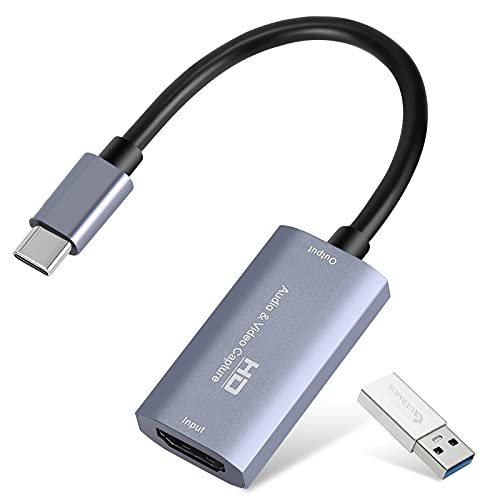
- Up to 1080p60 output
- No drivers or external power required
- Works with major systems and streaming software
Best For: Budget streamers, meetings, recording, and portable setups
Best Camera-to-Webcam Capture

- Uses cameras as high-quality webcams
- 1080p60 and up to 4K60 capture
- Low latency for streaming and calls
Best For: Creators upgrading from a standard webcam with a compatible camera
Best High-Refresh HDR Passthrough
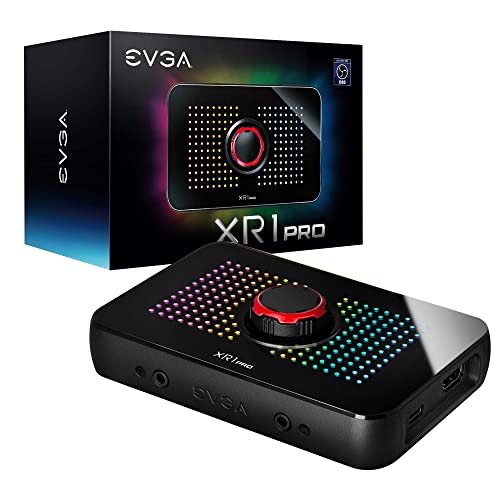
- 1440p60 or 4K30 capture
- 1440p144 and 4K60 HDR passthrough
- Built-in audio mixer and control dial
Best For: Windows gamers prioritizing high-refresh HDR gameplay and audio control
Premium PCIe Power

- 4K60 HDR10 capture with HDMI 2.1
- Up to 1080p240 recording and VRR passthrough
- Designed for Windows desktop and dual-PC setups
Best For: Serious streamers and high-refresh-rate gaming PCs
Flexible Plug-and-Play Pick
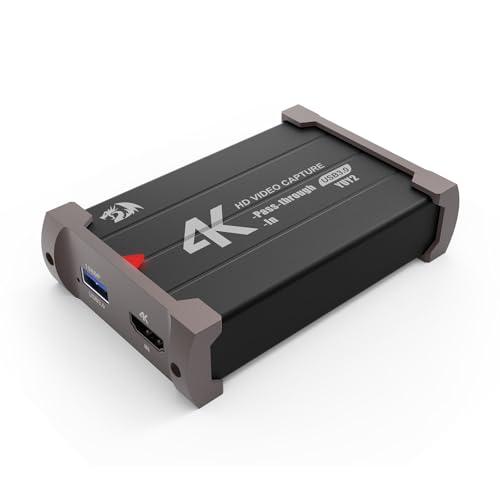
- 1080p60 capture from 4K30 input
- Zero-latency HDMI passthrough
- Works with Windows, macOS, consoles, and cameras
Best For: Versatile 1080p streaming across multiple devices
Compact USB Starter
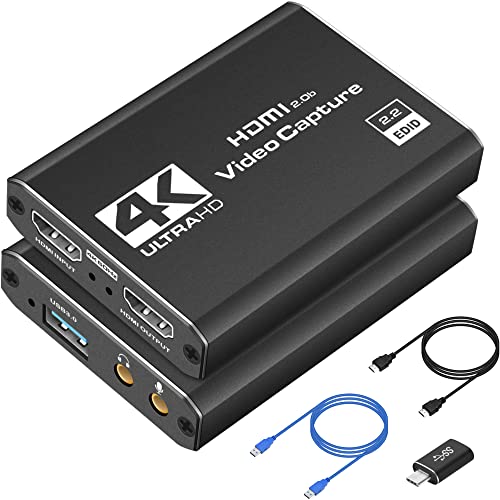
- 1080p60 capture with 4K HDMI preview
- Plug-and-play support for Windows and Mac
- Compact design for consoles, PCs, and cameras
Best For: Beginners and portable 1080p streaming setups
Best All-Around Pick

- 4K60 HDMI input and loop-out
- Captures up to 1080p60 or 2K30
- USB-A/USB-C and mic-in support
Best For: Flexible gaming, streaming, and recording setups
Best Plug-and-Play Option

- No drivers or external power required
- 1080p capture with HDMI loop-out
- Mic-in for external commentary
Best For: Simple Full HD streaming and gaming setups
Best for High-Refresh Gaming

- 4K60 HDMI loop-out
- 1080p60 or 2K30 USB capture
- Supports 1080p input up to 144Hz
Best For: High-refresh console gaming and live streaming
Best Premium Console Capture – Elgato 4K S
For shoppers comparing capture cards for current-generation consoles, the Elgato 4K S emphasizes high-frame-rate passthrough and detailed recording. It supports 4K60 capture, HDR10, and fast gameplay modes while connecting over USB-C.
Best For: PS5, Xbox Series X/S, and Switch 2 players who want high-quality capture with high-refresh-rate passthrough.
Pros:
- Captures video in 4K at 60fps.
- Supports 1440p120 and 1080p240 passthrough.
- Includes HDR10 support and a 3.5mm analog audio input.
- Works with Windows, macOS, and USB-C iPadOS devices.
Cons:
- Windows use requires Windows 11, while macOS requires version 13 or later.
- Its full feature set requires compatible hardware and adequate system specifications.
The 4K S is a strong premium option when smooth passthrough, HDR, and 4K60 recording matter more than the simplest possible setup.
Best Budget Plug-and-Play Capture – 4K USB 3.0 HDMI Capture Card
This compact HDMI capture card is a practical entry point for shoppers who need straightforward capture cards for streaming, meetings, recording, or teaching. It accepts up to 4K input and outputs up to 1080p60 or 2K30 over USB.
Best For: Budget-conscious streamers and mobile creators who want broad device and software compatibility.
Pros:
- Supports up to 1080p60 or 2K30 output.
- Plug-and-play design requires no additional drivers or external power.
- Compatible with Windows, macOS, Linux, Android, OBS, Zoom, and popular streaming platforms.
- Small, lightweight aluminum-alloy housing is easy to carry.
Cons:
- It is for capture use and does not directly cast to a monitor or TV.
- USB 3.0 is recommended for the advertised bandwidth and resolution.
- It supports one-way HDMI-to-USB-C transmission.
Its wide compatibility and simple setup make it a flexible value pick, provided you use suitable capture software and a USB 3.0 connection.
Best Camera-to-Webcam Capture – Elgato Cam Link 4K
The Elgato Cam Link 4K is designed for creators who want to use a DSLR, mirrorless camera, camcorder, action camera, or iPhone as a computer camera. Among capture cards, it stands out for camera-focused streaming and low-latency video over USB 3.0.
Best For: Streamers, presenters, and video creators upgrading from a standard webcam.
Pros:
- Turns compatible cameras into a webcam for computers.
- Supports 1080p60 and up to 4K60 capture with compatible equipment.
- Ultra-low latency helps keep video and audio synchronized.
- Works with OBS, Zoom, Discord, PC, Mac, and USB-C iPad setups.
Cons:
- 4K60 operation requires a compatible camera and the latest Cam Link 4K model.
- Its purpose is camera input rather than console-focused capture.
- System and camera compatibility should be checked before purchase.
Choose Cam Link 4K when image quality from a dedicated camera is the priority and you want a compact bridge to streaming and video-call software.
Best High-Refresh HDR Passthrough – EVGA XR1 Pro Capture Card
The EVGA XR1 Pro targets gamers who want capture cards with high-refresh-rate HDR passthrough and built-in audio controls. It records up to 1440p60 or 4K30 while passing through 1440p at 144Hz or 4K at 60Hz in HDR.
Best For: PC and console gamers who prioritize high-refresh-rate gameplay, HDR passthrough, and convenient audio mixing.
Pros:
- Captures up to 1440p60 or 4K30.
- Supports 1440p144 HDR and 4K60 HDR passthrough.
- Includes a built-in audio mixer and physical control dial.
- Certified for OBS and designed for plug-and-play setup without driver installation.
Cons:
- Capture resolution tops out at 1440p60 or 4K30.
- Requires a USB 3.1 interface and HDMI-compatible source.
- Its listed compatibility centers on Windows systems.
The XR1 Pro is compelling for competitive-style setups where preserving high-refresh HDR gameplay and adjusting audio quickly are key priorities.
Premium PCIe Power – Elgato 4K Pro
For demanding PC-based streaming setups, the Elgato 4K Pro is one of the most advanced capture cards here. It combines 4K60 HDR10 capture with HDMI 2.1 passthrough, high-frame-rate support, and VRR for smooth gameplay.
Best For: Serious streamers, dual-PC setups, and gamers using high-refresh-rate displays.
Pros:
- Captures up to 4K60 HDR10 video.
- Supports HDMI 2.1, VRR passthrough, and up to 1080p240 recording.
- Works with popular streaming apps and supports dual-PC configurations.
Cons:
- Requires a Windows 10 PC with an available PCIe slot.
- Internal installation is less portable than USB capture cards.
This is the strongest choice for creators who want premium capture quality and advanced passthrough features. Its PCIe installation and Windows requirement make it better suited to a dedicated desktop streaming system than a casual setup.
Flexible Plug-and-Play Pick – Redragon VC321
The Redragon VC321 is a practical USB capture card for streaming, recording, and live gameplay. It accepts up to 4K30 input while capturing at 1080p60, with HDMI passthrough designed for real-time play.
Best For: Gamers and creators who want a simple Windows or Mac setup with broad device compatibility.
Pros:
- Captures 1080p60 video from up to 4K30 input.
- Provides zero-latency HDMI passthrough.
- Supports cameras, DSLRs, PS5, Xbox, Switch, and other HDMI devices.
- Plug-and-play design requires no additional drivers or power source.
Cons:
- Capture resolution is limited to 1080p.
- Its listed operating-system support starts at Windows 7 and macOS 10.15.
The VC321 balances useful capture performance with an easy setup and wide compatibility. It is a sensible middle-ground option for streaming at 1080p60 without moving to an internal PCIe card.
Compact USB Starter – Dcyfol 4K HDMI Capture
This compact USB capture card offers an accessible way to record or stream 1080p60 video from HDMI sources. Its plug-and-play design, USB 3.0 connection, and compatibility with OBS Studio, Streamlabs, and XSplit make it convenient for flexible setups.
Best For: Beginners, mobile creators, and gamers who need a portable capture card for consoles or cameras.
Pros:
- Captures smooth 1080p60 video with 4K HDMI input and preview.
- Supports PS5, PS4, Xbox, Switch, PC, and cameras.
- Plug-and-play operation works with Windows and Mac systems.
- Compact design includes USB and USB-C connection accessories.
Cons:
- Requires a USB 3.0 port.
- Capture output is 1080p60 rather than native 4K recording.
For creators prioritizing convenience and portability, this Dcyfol model covers the essentials without requiring internal installation. It is best suited to 1080p streaming and recording where a small, travel-friendly design matters.
Best All-Around Pick – 4K Pass-Through Capture Card
This capture card is a versatile choice for streamers who want 4K HDMI pass-through alongside 1080p60 or 2K30 capture. Its USB-A/USB-C connectivity, mic input, and broad device compatibility make it practical for gaming, meetings, recording, and live streaming.
Best For: Gamers and creators who need flexible connectivity, high-frame-rate capture, and 4K pass-through.
Pros:
- Supports 4K 60Hz HDMI input and loop-out, with up to 1080p60 or 2K30 capture.
- Includes USB-A and USB-C connectivity for use with a range of computers and devices.
- Offers mic-in for commentary and compatibility with OBS, Twitch, YouTube, Windows, macOS, Linux, and Android.
Cons:
- Does not record party chat through the mic-in feature.
- OBS may need to be restarted after audio setup to produce sound.
With its pass-through support and dual USB connector options, this model is a strong general-purpose capture card. It is especially appealing when you want smooth gameplay monitoring without giving up straightforward streaming and recording features.
Best Plug-and-Play Option – Full HD USB 3.0 Capture Card
This capture card keeps setup simple with plug-and-play operation and no external power requirement. It captures up to 1080p video, includes HDMI loop-out for gaming, and works with common streaming software on Windows and Mac systems.
Best For: Beginners and streamers who want an uncomplicated Full HD capture setup.
Pros:
- Plug-and-play design requires no driver or external power supply.
- USB 3.0 and low-latency HDMI loop-out support live gameplay.
- Works with cameras, consoles, Windows, macOS, Linux, OBS, Twitch, YouTube, and other listed platforms.
- Mic-in allows external commentary with a compatible 3.5mm TRS headset microphone.
Cons:
- Capture resolution is limited to 1080p.
- Mic-in accepts only a 3.5mm TRS standard microphone headset.
- Requires a computer with a USB 3.0 port.
This is a sensible entry-level capture card for Full HD streaming and recording. Its automatic device detection and loop-out feature reduce setup friction, although users seeking 2K or 4K capture should consider a higher-resolution model.
Best for High-Refresh Gaming – 1080p60 HDMI Capture Card
This capture card is designed for gaming setups that need 4K60 pass-through while recording at up to 1080p60 or 2K30 over USB 3.0. It adds low-latency loop-out, mic-in, and broad compatibility with consoles, cameras, computers, and streaming software.
Best For: Console gamers who want high-refresh HDMI input and lag-free pass-through for live play.
Pros:
- Supports 4K60 HDMI input and loop-out, plus 1080p60 or 2K30 capture.
- Accepts 1080p input up to 120/144Hz, making it suitable for high-refresh sources.
- Plug-and-play design includes USB-A and USB-C connection options.
- Aluminum alloy construction, mic-in, and compatibility with OBS, Streamlabs, XSplit, and major platforms.
Cons:
- Does not support 4K120 or 4K144 input.
- Does not record party chats through the microphone input.
- OBS may need to be restarted after audio setup.
This model stands out when pass-through performance matters more than capturing in 4K. Its high-refresh input support and 4K60 loop-out make it a practical bridge between modern gaming hardware and 1080p streaming workflows.
How We Picked These Capture Cards
We focused on the specifications that have the greatest effect on everyday streaming and recording: supported input and passthrough resolutions, refresh rates, HDR compatibility, connection standards, latency, operating-system support, and setup convenience. The selection includes USB Capture Cards for laptops and simple plug-and-play systems, as well as an internal PCIe option for desktop users who want higher bandwidth and advanced passthrough.
We also considered use case. A gaming capture card must handle console output reliably, while a camera-oriented model needs clean HDMI support and broad compatibility with cameras, webcams, and streaming software such as OBS.
Quick Comparison
| Best For | Recommended Type | Key Feature to Look For |
|---|---|---|
| PS5, Xbox, or Switch streaming | USB or internal gaming capture card | 4K passthrough and 1080p 60fps capture |
| High-end PC setups | Internal PCIe capture card | High-bandwidth passthrough and HDR support |
| DSLR and mirrorless cameras | Camera-focused HDMI-to-USB model | Clean HDMI input and reliable USB connectivity |
| Budget streaming | USB 3.0 capture card | 1080p 60fps capture at a lower price |
| Portable setups | Compact external capture card | Bus-powered operation and simple installation |
Key Buying Factors for Capture Cards
Capture Resolution Versus Passthrough
Capture resolution is what your computer records or streams; passthrough is what reaches your monitor or television. Many models accept a 4K signal while capturing at 1080p 60fps, which is often the best balance for smooth gameplay and manageable file sizes. If you want 4K recording, confirm that the product explicitly supports 4K capture rather than only 4K passthrough.
Refresh Rate, HDR, and Latency
For competitive gaming, prioritize low-latency passthrough and support for the refresh rate you actually use. HDR compatibility can improve console picture quality, but it must be supported by the capture card, display, source device, and software chain. A card that passes through 4K but captures only 1080p may still be ideal for streaming.
USB, PCIe, and Compatibility
USB 3.0 or faster is generally preferable for uncompressed high-quality video. Check whether the included cable and connector match your computer. Internal PCIe cards offer a cleaner, higher-bandwidth desktop installation, while external USB cards are easier to move between systems. Before buying, verify compatibility with your operating system, console, camera, and streaming application.
Audio and Camera Features
Look for HDMI audio support, microphone or audio-mixing features if you plan to combine sources, and clean HDMI output when using a camera. Cameras may need to disable overlays, sleep timers, or automatic exposure behavior for dependable long streams.
Who Should Buy Which Capture Cards?
Choose a USB Gaming Model
Choose an external USB option if you stream from a laptop, switch between consoles, or want the simplest setup. A 1080p 60fps model is sufficient for most live broadcasts, while 4K passthrough helps preserve a sharp image on your gaming display.
Choose an Internal Card
Desktop streamers, creators recording at higher quality, and users who want maximum bandwidth should consider an internal PCIe model. It is less portable but can provide stronger performance and advanced passthrough features.
Choose a Camera Capture Card
For webinars, tutorials, podcasts, and live production, select a camera-focused capture card with clean HDMI support and dependable compatibility with your DSLR, mirrorless camera, camcorder, or action camera.