
Long astrophotography nights demand more than a spare battery. Between tracking mounts, cameras, focus motors, and dew heaters, power planning can make or break a session.
This roundup highlights the best camera power banks for astrophotography in 2026, focusing on practical runtime, output options, portability, and field-ready features that help keep your setup running after dark.
Best 10 Camera Power Banks for Astrophotography Picks for 2026
Best Integrated USB Hub
SVBONY SV241 Astronomy Power Adapter

- Six DC outputs with USB 3.1, USB 2.0, and Type-C ports
- Compact 125g body with included cables and mounting holes
- Built-in protection helps keep gear safer in the field
Best For: Astrophotographers who need an all-in-one power and USB distribution hub for a portable rig.
Best High-Capacity Creator Power Hub

- 97.2Wh capacity for long shoots and night sessions
- PD 3.1 fast charging for quick laptop top-ups
- Grip-style design works across cameras and creator gear
Best For: Astrophotographers and creators who want a high-capacity, multi-device power solution.
Best Smart Pick
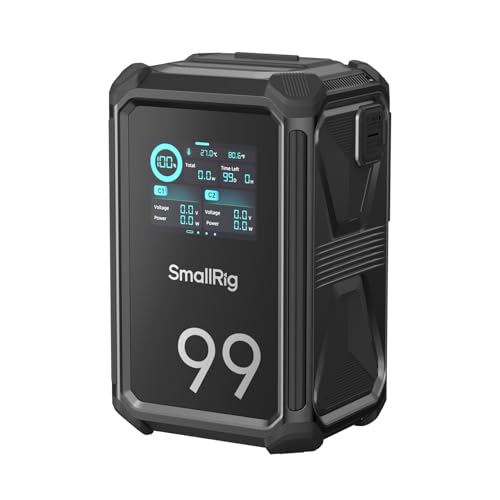
- 99Wh capacity is airline-friendly for travel
- 100W USB-C supports fast recharging
- App control and touchscreen simplify field use
Best For: Astrophotographers who want a smart, travel-ready V-mount battery for cameras and accessories.
Best Compact DC Hub
Anker SOLIX C200 DC 192Wh Power Station

- 192Wh LiFePO4 battery with 200W output
- 140W USB-C fast recharging
- Compact, travel-friendly design
Best For: Traveling astrophotographers who need a compact DC charging hub for camera accessories and mobile gear.
Best for Power-Hungry Rigs
Neewer PS150E 150Wh V Mount Battery

- 150Wh capacity for long imaging sessions
- 100W bidirectional USB-C PD charging
- Multiple outputs for camera and accessory power
Best For: Deep-sky and time-lapse shooters powering cameras, monitors, and lights overnight.
Best Compact Mountable Pick
Suptig 9000mAh Camera Power Bank

- Lightweight 9000mAh pack for portable use
- 1/4-inch threaded mounting for tripod setups
- USB-C and USB-A ports for flexible charging
Best For: Astrophotographers who want a compact, mountable power bank for lightweight rigs.
Best for Telescope Power
Celestron PowerTank 12 Telescope Battery

- 84 Wh sealed lead-acid battery for long observing sessions
- Two 12V outputs plus two USB ports for gear and phones
- Built-in red/white flashlights and included charging cables
Best For: Astronomers who need a dedicated portable 12V power supply for telescopes and basic accessory charging.
Best Mounting Solution
SMALLRIG Power Bank Clamp Mount

- Fits a wide range of popular power banks
- Rubber pads help prevent scratches and slipping
- Lightweight 80g aluminum/stainless construction
Best For: Astrophotographers who want a secure, lightweight way to mount a power bank on a rig.
Best for 12V Telescope Gear
Talentcell 12V 7000mAh Power Bank

- 12V DC output suits many telescope and camera accessories
- USB-C PD 45W helps charge phones and smaller gear
- Compact size is easy to pack for portable imaging
Best For: Astrophotographers who need a compact 12V battery for telescope gear and mixed-device charging.
Best Integrated USB Hub – SVBONY SV241 Astronomy Power Adapter
If you need more than a simple battery, the SVBONY SV241 is a compact power hub that can streamline camera power banks for astrophotography setups. It combines DC outputs, USB ports, and Type-C connectivity in one portable box, making it easier to power and connect mounts, guide cameras, dew heaters, and other field gear.
Best For: Astrophotographers who want a lightweight all-in-one power and USB distribution hub for portable rigs.
Pros:
- Six DC outputs plus USB 3.1, USB 2.0, and Type-C ports for multi-device setups
- Compact 125g design with included cables and mounting screw holes for easy field use
- Built-in protection and filtering help keep connected gear safer during sessions
- Plug-and-play operation with no driver or software installation required
Cons:
- Requires a proper 12V input and correct port orientation to function safely
- Some outputs need a data connection to a computer or astro hub to activate
- Not a standalone battery, so it still depends on an external power source
As a field-friendly distribution hub, the SV241 is less about raw battery capacity and more about simplifying cable management and device hookups. For camera power banks for astrophotography, that makes it a smart choice if you already have a compatible 12V source and want cleaner, more reliable power delivery.
Best High-Capacity Creator Power Hub – IFOOTAGE PD140H Battery Grip
If you need one of the more versatile camera power banks for astrophotography, the IFOOTAGE PD140H stands out for its 97.2Wh capacity, fast PD 3.1 charging, and built-in camera-mount style grip. It is aimed at creators who want a single power source for cameras, lights, phones, and even a laptop during long sessions.
Best For: Astrophotographers, filmmakers, and field creators who want a high-capacity power bank that can also double as a camera grip and multi-device charging hub.
Pros:
- 97.2Wh capacity is strong for long shoots and extended night sessions
- PD 3.1 fast charging can top up a 14" MacBook very quickly
- Useful all-in-one design with Type-C output and camera-friendly mounting hardware
- Built-in safety protections help reduce charging worry on location
Cons:
- Bulkier than a simple slim power bank
- Overkill if you only need to charge a phone or small accessory
- Best value depends on whether you’ll use the grip-style design
For buyers comparing camera power banks for astrophotography, the PD140H makes the most sense when runtime, versatility, and creator workflow matter more than compact size. It is a strong pick for people who want one power solution for both gear support and device charging.
Best Smart Pick – SmallRig V Mount Battery 99Wh
If you want camera power banks for astrophotography that do more than just supply juice, this SmallRig V-mount battery stands out with app control, a touchscreen, and plenty of output options for cameras, monitors, and lights. Its 99Wh capacity is airline-friendly, while the 100W USB-C input/output makes it easier to recharge between long shooting sessions.
Best For: Astrophotographers who want a compact, travel-ready V-mount battery with smart controls and versatile ports for multiple accessories.
Pros:
- 99Wh size is carry-on friendly for air travel
- 100W USB-C fast charging can fully recharge in about 2 hours
- Touchscreen and app control make port management simple in the field
- Multiple outputs support cameras, monitors, lights, and mobile devices
Cons:
- Overkill if you only need to power one camera body
- V-mount form factor adds bulk compared with smaller USB power banks
- Maximum usefulness depends on having compatible cables and plates
For deep-sky sessions, this is a practical power hub rather than a basic backup battery. If your camera power banks for astrophotography need to run a camera plus accessories in one compact setup, the SmallRig’s smart controls and wide port selection make it especially useful.
Best Compact DC Hub – Anker SOLIX C200 DC 192Wh Power Station
If you want one of the more portable camera power banks for astrophotography, the Anker SOLIX C200 DC is a smart compact pick. Its 192Wh LiFePO4 battery, 200W output, and mix of USB-C and USB-A ports make it well suited for topping up mirrorless camera batteries, phone apps, intervalometers, and other field gear during a night shoot.
Best For: Astrophotographers who want a small, easy-to-carry DC power station for charging camera accessories and mobile devices away from outlets.
Pros:
- 192Wh capacity with a 200W output is enough for light-to-moderate field charging.
- 140W USB-C two-way fast charging helps it recharge quickly between outings.
- Compact design is 39% smaller than similar power stations, making it easier to pack.
- LiFePO4 battery chemistry and a 3-year warranty add long-term value.
Cons:
- No AC wall outlet, so it is less versatile than a full power station.
- Solar panels are not included, and compatibility is limited to specific panel types.
- Its capacity is better for accessory charging than powering larger imaging rigs.
For camera power banks for astrophotography, the C200 DC stands out when portability matters more than maximum output. It is a practical choice for keeping your camera batteries, phone, and small accessories charged on short sessions or travel-heavy trips.
Best for Power-Hungry Rigs – Neewer PS150E 150Wh V Mount Battery
If you need one of the more capable camera power banks for astrophotography, the Neewer PS150E stands out for its 150Wh capacity, 100W USB-C PD, and multiple output options for cameras, monitors, lights, and accessories. It is a strong choice when you want to run a longer night session without constantly swapping batteries.
Best For: Deep-sky and time-lapse shooters who power a camera plus accessories and want a compact V-mount battery with serious output.
Pros:
- 150Wh capacity with 100W bidirectional USB-C PD for fast charging and flexible power delivery
- Multiple ports, including USB-C, USB-A, D-Tap, DC, and BP, make it easy to power several devices at once
- OLED status screen helps you monitor battery life during long imaging sessions
- Compact V-mount design is smaller than many rivals while still offering high capacity
Cons:
- Too large for airline carry-on rules in many cases due to the 150Wh rating
- 120W PD charger and cable are not included for the fastest recharge speeds
- More than you need if you only plan to power a single camera body
For astrophotography setups that need endurance and versatility, this battery is a practical step up from ordinary camera power banks for astrophotography. It is especially appealing if your rig includes a cooled camera, monitor, or light and you want fewer power interruptions overnight.
Best 2-in-1 Astronomy Accessory – Celestron PowerTank Glow 5000
If you want a practical field companion for camera power banks for astrophotography, the Celestron PowerTank Glow 5000 stands out by combining a 5000mAh USB power bank with a red astronomy flashlight. It’s a simple, travel-friendly option for topping up phones and small 5V devices while preserving night vision at the telescope.
Best For: Amateur astronomers who want one compact accessory for red-light viewing and light mobile charging at the mount.
Pros:
- 2-in-1 design combines a red flashlight with a USB power bank
- 5000mAh capacity is enough for a full phone recharge in many cases
- Silicone straps let you secure it to a tripod leg or other gear
- Rechargeable battery with overcharge protection and 500+ cycles
Cons:
- 5V output is better for phones and accessories than larger camera batteries
- Capacity is modest if you need repeated charging through long sessions
For observers who value convenience over raw capacity, this is one of the smarter camera power banks for astrophotography because it keeps essentials in one small, easy-to-mount unit. It’s especially appealing if you want red light for setup and a backup charge for your phone or tablet without carrying separate accessories.
Best Compact Mountable Pick – Suptig 9000mAh Camera Power Bank
If you want a small, mount-friendly option among camera power banks for astrophotography, this Suptig 9000mAh pack is built for simple setup and broad device support. Its 1/4-inch threaded design makes it easy to attach to a tripod or rig, while the lightweight body is easy to pack for night shoots and travel.
Best For: Astrophotographers and creators who need a compact power bank that can mount cleanly to a tripod or camera setup.
Pros:
- 9000mAh capacity is a practical boost for shorter shooting sessions and accessory charging.
- 1/4-inch threaded mounting points make it easy to integrate into a tripod-based astro rig.
- USB-C bidirectional port plus USB-A output adds flexible charging options.
- Wide compatibility covers GoPro, Canon, Nikon, DJI Osmo, Insta360, phones, and more.
Cons:
- Capacity is modest compared with larger banks for all-night imaging sessions.
- Not a dedicated astro power solution with built-in dummy-battery or regulated camera output details.
- Best suited as a portable general-purpose bank, not a high-capacity observatory power unit.
For buyers comparing camera power banks for astrophotography, this model stands out more for portability and mounting convenience than raw endurance. It makes the most sense when you want a lightweight, easy-to-rig battery that can keep your gear topped up without adding much bulk.
Best for Telescope Power – Celestron PowerTank 12 Telescope Battery
If you need dependable, all-in-one backup power for long nights out, the Celestron PowerTank 12 is a practical choice among camera power banks for astrophotography. Its 84 Wh sealed lead-acid battery, dual 12V outputs, and built-in USB ports make it easy to keep a telescope, phone, and small accessories running from dusk to dawn.
Best For: Astronomers and astrophotographers who want a dedicated portable 12V battery for computerized telescopes and basic device charging.
Pros:
- 84 Wh capacity with two 12V outputs for telescope and astronomy gear
- Two USB ports for phones and other small accessories
- Built-in red and white flashlights help preserve night vision and simplify teardown
- Includes AC adapter and cigarette-lighter cables for flexible charging
Cons:
- Heavier and bulkier than modern lithium power banks
- Not ideal if you mainly need high-output USB-C charging for cameras
This is less of a general-purpose power bank and more of a telescope-first battery, which is exactly why it stands out for camera power banks for astrophotography users who also run mounts or other 12V gear. If your priority is reliable night-long power with simple connectivity, it’s a solid, field-ready option.
Best Mounting Solution – SMALLRIG Power Bank Clamp Mount
If you want to keep your rig powered without strapping a battery directly to the camera, this SMALLRIG clamp is a smart accessory for camera power banks for astrophotography. It securely mounts a portable power bank to a camera or phone rig, making cable management cleaner for long night sessions.
Best For: Astrophotographers and rig builders who need a secure, lightweight way to attach a power bank to a camera setup.
Pros:
- Spring-loaded clamp fits many popular power bank sizes
- Rubber pads help protect the battery and reduce slipping
- Aluminum alloy and stainless steel build stays light at 80g
- Includes 1/4″ screws for flexible rig mounting
Cons:
- It is a holder only, so you still need to supply the power bank
- Works best with rigs that already have mounting points
- Not ideal if you want a quick handheld or pocketable solution
For anyone building a tidy long-exposure setup, this is less about raw battery capacity and more about secure integration. If your camera power banks for astrophotography need to stay attached, protected, and easy to route, this clamp mount is a practical add-on.
Best for 12V Telescope Gear – Talentcell 12V 7000mAh Power Bank
If you need one of the more versatile camera power banks for astrophotography, this Talentcell pack is a strong fit for small 12V telescope accessories and portable field setups. It combines a 12V DC output with USB-C PD 45W, so you can run a mount, camera accessory, or charge a phone from the same compact battery.
Best For: Telescope users, portable imaging rigs, and astrophotographers who need a compact 12V battery with USB-C backup power.
Pros:
- 12V DC output is ideal for many telescopes, cameras, and astronomy accessories
- USB-C PD 45W and USB-A add flexible charging for phones and smaller devices
- Compact 76.65Wh capacity is easy to carry for sessions away from mains power
- Includes charger, splitter cable, USB-C cable, and battery percentage display
Cons:
- 12V output is not constant, so compatibility should be checked carefully
- Uses a DC5521 connector, which may require an adapter or different cable
- Capacity is modest for longer all-night imaging runs
For buyers comparing camera power banks for astrophotography, this is a practical option when you need a small, multi-output pack that can handle a telescope or accessory load without adding much bulk. Just verify your connector size and voltage requirements before buying.
How We Picked the Best Camera Power Banks for Astrophotography
We focused on Camera Power Banks for Astrophotography that fit real night-sky use: stable output, useful port selection, enough capacity for extended sessions, and forms that are easy to pack or mount. We also favored products with clear watt-hour ratings, USB-C Power Delivery where relevant, and DC outputs for gear that prefers 12V power.
Quick Comparison
For the lightest setups, compact USB power banks are easiest to carry and pair well with cameras, intervalometers, phones, and small accessories. For longer sessions or telescope rigs, higher-capacity battery stations and V-mount batteries offer better endurance and more flexible output. If your gear needs regulated 12V power, prioritize batteries with DC outputs over generic USB-only packs.
Key Buying Factors for Camera Power Banks for Astrophotography
Capacity and Runtime
Look at watt-hours first, not just milliamp-hours. Wh is the best indicator of how long a power source may last in the field, especially when comparing different voltage classes.
Output Types
Match the battery to your equipment. USB-C PD is useful for modern devices, while 12V DC, D-Tap, and dedicated telescope outputs are better for mounts and astronomy accessories. More ports can simplify multi-device setups.
Weight and Mounting
Portable power is only useful if it stays secure. Heavier packs may need a holder, clamp, or rig-mount solution to keep cables tidy and reduce strain on your setup.
Charging Convenience
Fast recharging matters if you shoot often or travel to dark sites. Some batteries recharge quickly through USB-C PD or AC input, which can save time between sessions.
Who Should Buy Which Camera Power Banks for Astrophotography?
If you shoot with a mirrorless or DSLR body and only need to power a camera and accessories, a compact power bank is usually enough. If you run a tracking mount, dew control, or a telescope controller, choose a battery with DC outputs and higher capacity. For all-night imaging or multi-device field kits, a V-mount battery or portable power station is the more dependable choice. And if you need cleaner cable management, add a compatible holder or clamp to keep the battery secure during long exposures.
In short, the best Camera Power Banks for Astrophotography are the ones that match your actual power draw, not just your budget. Choose for voltage, runtime, and portability first, then look at charging speed and mounting options as the final tiebreakers.